
What Are Outdoor Games? A Guide to Fun Outside
Outdoor Game Finder
Not sure what to play? Answer these quick questions to find the best game for your next gathering.
Your Perfect Matches
Tip: Always check the weather and ground conditions before starting! Hydration is key.
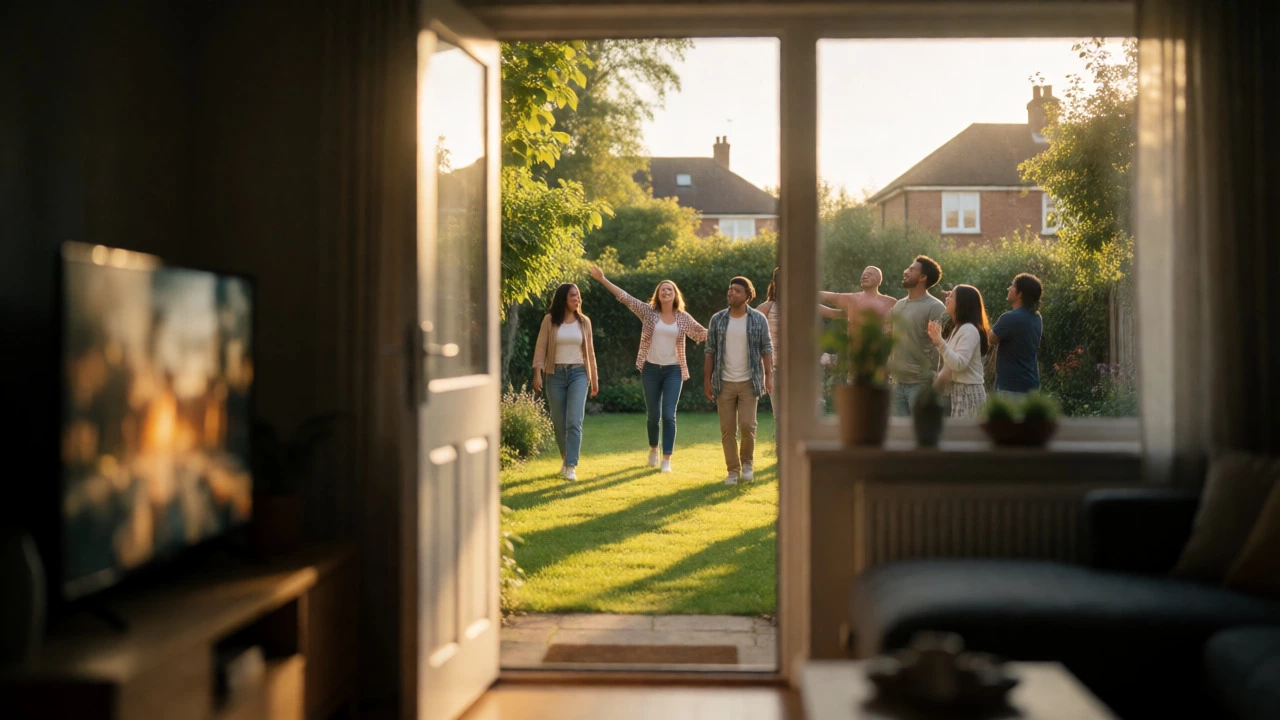
You know that feeling when you’re stuck inside for too long, staring at a screen until your eyes burn? It’s universal. We all need a break from the four walls and the glowing rectangles. But simply stepping outside isn’t always enough. You need structure, rules, and a bit of friendly competition to make the fresh air feel like an adventure rather than just a change of scenery. That’s where outdoor games come in. They are structured recreational activities played in open-air environments, designed to encourage physical movement, social interaction, and strategic thinking without the constraints of indoor spaces.
Think about it. Why do we love them so much? Is it the sunshine? The freedom to run wild? Maybe it’s the nostalgia of childhood summers spent chasing friends around a park. Whatever the reason, outdoor games bridge the gap between exercise and entertainment. They turn a boring walk into a scavenger hunt or a simple gathering into a tournament. If you’ve ever wondered what exactly qualifies as an outdoor game, or how to pick the right one for your group, this guide breaks it down. No jargon, no fluff-just the good stuff.
Defining the Core Concept
At its simplest, an outdoor game is any rule-based activity performed primarily outside of a building. Unlike indoor sports, which often require specific facilities like gyms or courts, outdoor games leverage natural terrain. This could be grass, sand, snow, or even a paved driveway. The defining characteristic isn’t just location; it’s adaptability. These games usually require minimal equipment and can scale up or down depending on the number of players and the available space.
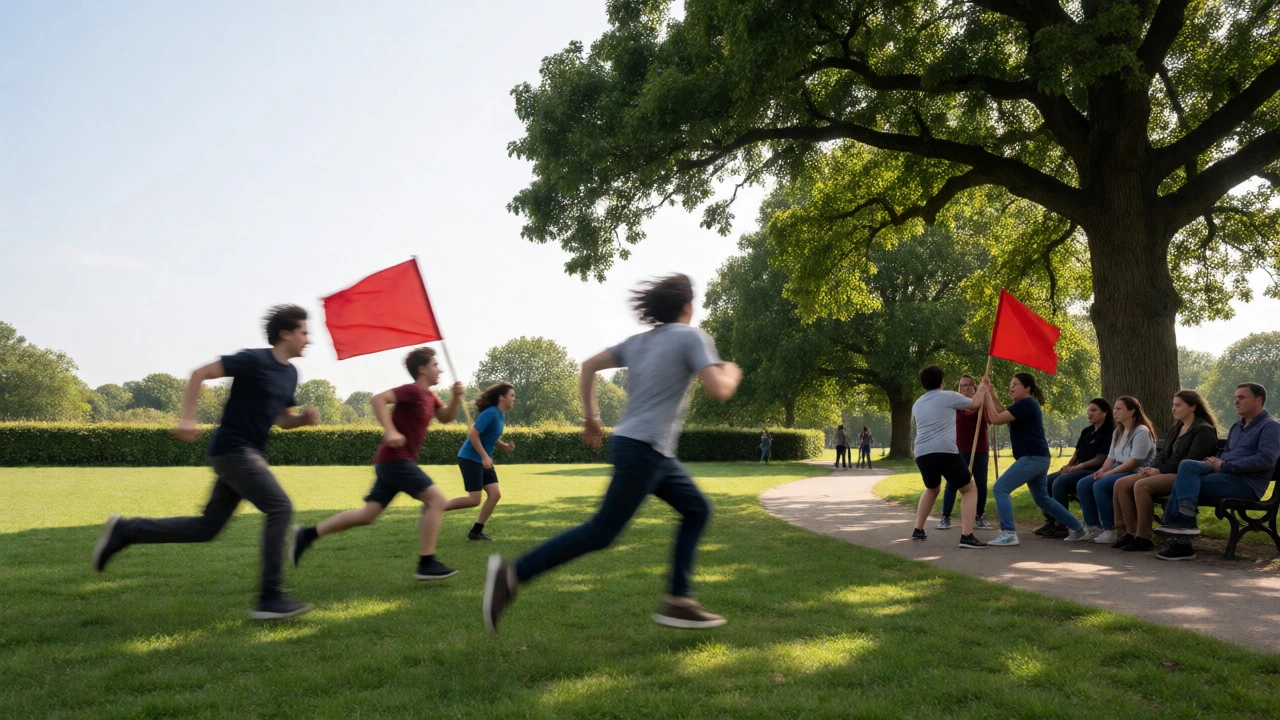
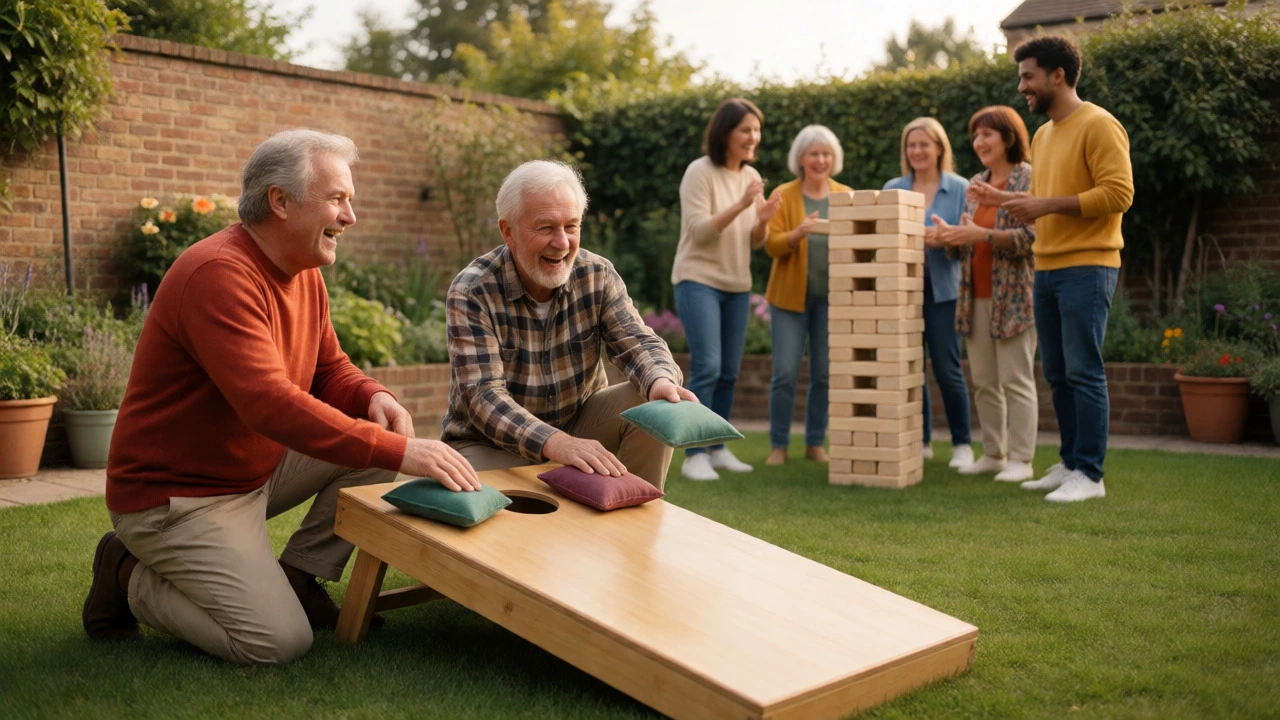
There is a common misconception that outdoor games must be physically demanding. Not true. While many involve running or throwing, others rely heavily on strategy or luck. Take Cornhole, for example. It’s a lawn game where players toss bean bags onto a slanted board. It requires precision, not cardio. On the other end of the spectrum, you have Capture the Flag, which demands speed, teamwork, and tactical planning. Both fall under the same umbrella because they share the core elements: open space, informal setup, and social engagement.
The beauty of these activities lies in their simplicity. You don’t need a membership fee or expensive gear to start. A ball, some chalk, and a patch of ground are often enough. This accessibility makes them perfect for families, schools, corporate retreats, or casual hangouts with neighbors. When you understand the definition, you realize how broad the category is. It covers everything from traditional sports adaptations to modern party tricks invented by bored teenagers in backyards.
Categories of Outdoor Play
To help you choose what fits your needs, it helps to sort these games into buckets. Not every game suits every situation. Trying to play a high-energy tag variant with a group of elderly relatives might lead to disaster, while playing a slow-paced card game on a windy beach might frustrate everyone. Here are the main types you’ll encounter.
- Active Field Games: These involve significant movement. Think soccer variations, ultimate frisbee, or kickball. They require coordination and stamina. Best for groups with mixed athletic abilities who want a workout disguised as fun.
- Lawn and Target Games: Lower intensity, higher precision. Examples include bocce, croquet, horseshoes, and cornhole. These are great for social gatherings where conversation is as important as the score. You can stand around, chat, and take turns without breaking a sweat.
- Team Strategy Games: These focus on tactics over raw athleticism. Capture the Flag, Dodgeball (in large fields), and Paintball fit here. Success depends on communication and planning. Perfect for corporate team-building events where leadership skills shine.
- Traditional Children’s Games: Tag, Hide and Seek, Red Rover, and Jump Rope. These rely on basic human instincts-running, hiding, counting. They require zero equipment and work anywhere there’s space. Ideal for kids’ parties or quick icebreakers.
- Water-Based Games: If you have access to a pool, lake, or ocean, water games add a cooling element. Water polo, cannonball contests, or floating relay races. These are seasonal but incredibly popular during summer months.
Choosing the right category depends on three factors: player age, fitness level, and available space. A small urban balcony won’t support a full game of football, but it might handle a round of ring toss. Always assess your environment before committing to a complex setup.
Why Choose Outdoor Over Indoor?
With video games, board games, and streaming services dominating our leisure time, why bother going outside? The benefits go beyond just "getting some vitamin D." There are tangible psychological and social advantages that indoor activities rarely match.
First, consider the sensory experience. Indoors, the world is static. Walls don’t move. Lighting doesn’t change unless you flip a switch. Outdoors, the environment is dynamic. Wind affects the trajectory of a thrown ball. Sunlight creates glare or shadows that change throughout the day. Grass might be uneven, requiring careful foot placement. This unpredictability keeps your brain engaged in ways a controlled indoor court cannot. You’re constantly adapting, which sharpens reflexes and situational awareness.
Socially, outdoor games break down barriers. In a living room, people tend to sit in fixed positions. Outside, movement is fluid. Players mix, teams form organically, and hierarchies dissolve. A boss and an intern might end up on the same dodgeball team, forcing collaboration. This informal interaction builds rapport faster than forced office small talk. Plus, the shared physical effort releases endorphins, creating a positive association with the group.
Health-wise, the impact is obvious but worth stating. Outdoor games increase heart rate and calorie burn more effectively than sedentary hobbies. Even low-intensity games like Bocce keep you standing and moving for hours, preventing the stiffness that comes from sitting at a desk. Moreover, exposure to natural light regulates circadian rhythms, helping you sleep better at night. It’s a double win: you exercise during the day and rest easier after.
Essential Equipment and Setup Tips
You don’t need a warehouse full of gear to get started. Most classic outdoor games rely on items you already own or can buy cheaply. However, having the right basics ensures smooth gameplay and safety. Here’s a quick rundown of essential kit items and how to prepare your space.
| Game Type | Essential Items | Optional Upgrades | Space Requirement |
|---|---|---|---|
| Tag/Variations | Comfortable shoes, boundary markers (cones/chalk) | Referee whistle, vests for teams | Medium to Large |
| Cornhole/Bocce | Bean bags/balls, target board/lawn | Scoreboard, carrying case | Small to Medium |
| Frisbee/Kickball | Flying disc/ball, bases (if kickball) | Protective eyewear, cleats | Large |
| Hide and Seek | Timer (phone/watch) | Headlamps (for dusk play) | Variable |
| Water Games | Towels, swimwear, inflatable floats | Water guns, goggles | Pool/Lake/Ocean |
Setting up the field is crucial. Mark boundaries clearly. Ambiguity leads to arguments, especially if stakes are high. Use cones, ropes, or natural landmarks like trees to define play areas. Check the ground for hazards-potholes, broken glass, or slippery mud can cause injuries. If you’re playing on grass, mowing beforehand improves footing. For paved surfaces, ensure there’s enough clearance from cars or windows to avoid property damage.
Weather plays a massive role. In Sydney, August is winter, meaning cooler temperatures and potential rain. Adjust your game choice accordingly. Wet grass makes slipping likely, so opt for slower-paced games or move to covered areas. Conversely, hot summer days require hydration stations and shade breaks. Always have water nearby. Dehydration hits faster than you think, especially when you’re distracted by fun.
Popular Games to Try Today
Ready to organize something? Here are five standout options ranging from easy to intense. Each has been tested in real-world scenarios, from family picnics to office outings.
1. Cornhole: Originating in Kentucky, this game involves tossing bean bags onto a raised platform with a hole. Points are awarded for bags on the board or in the hole. It’s competitive yet relaxed. You can play singles or doubles. Great for tailgates or backyard BBQs. Minimal setup: two boards and eight bags.
2. Ultimate Frisbee: A non-contact team sport played with a flying disc. Players advance the disc by passing it; running with it is prohibited. The goal is to catch it in the opponent’s end zone. It combines sprinting, throwing accuracy, and defensive positioning. Requires a large field and a standard disc. Excellent for fitness enthusiasts.
3. Spikeball: Also known as Roundnet, this fast-paced game uses a small trampoline-like net stretched between three legs. Two teams of two try to hit the ball off the net so opponents can’t return it within three touches. It’s intense, loud, and addictive. Compact equipment makes it travel-friendly for beaches or parks.
4. Giant Jenga: A larger-than-life version of the classic block-stacking game. Players remove blocks from a tower and place them on top without causing collapse. It tests steady hands and nerves. Often used as a centerpiece for social events because it encourages crowd cheering. Needs flat, stable ground.
5. KanJam: A team game involving a frisbee and two trash cans with slots cut into the rim. Teams throw the disc toward their teammate’s can, aiming for points via deflections or direct hits. It’s fast, strategic, and highly engaging for spectators. Popular among younger adults and college students.
Each of these offers a different vibe. Pick based on your group’s energy level. Want chill vibes? Go with Cornhole or Giant Jenga. Want adrenaline? Spikeball or Ultimate Frisbee will deliver.
Common Pitfalls and How to Avoid Them
Even simple games can go wrong if you ignore practical details. Here are frequent issues and quick fixes.
- Poor Communication: In team games, silence leads to collisions and missed passes. Establish clear calls beforehand. Who calls "mine" on the ball? Who tracks scores? Assign roles early.
- Ignoring Safety: Uneven terrain causes ankle twists. Inspect the area. Wear appropriate footwear-no flip-flops for active games. Hydrate regularly, especially in warm weather.
- Overcomplicating Rules: Keep rules simple. Complex systems confuse players and slow down play. Start with basic rules and modify only if necessary. House rules should be agreed upon before starting.
- Equipment Failure: Balls lose pressure; discs warp. Bring spares. Check gear condition before leaving home. Nothing kills momentum like a flat ball halfway through a match.
Another trap is mismatched expectations. If half the group wants a serious competition and the other half wants casual fun, friction arises. Clarify intent upfront. Is this practice or a championship? Setting the tone prevents resentment.
Next Steps for Your Next Outing
So, what now? Don’t let analysis paralysis stop you. Pick one game from the list above that matches your current resources and group size. Check the weather forecast for your next weekend. Gather your equipment-even if it’s just a ball and some chalk. Invite three friends. That’s all it takes.
If you find yourself enjoying one type, explore related activities. Love Cornhole? Try Bocce or Horseshoes. Enjoy Ultimate Frisbee? Look into Disc Golf or Kickball. The world of outdoor recreation is vast, but you don’t need to master it all at once. Start small, have fun, and let the fresh air do the rest.
Do I need special equipment to play outdoor games?
Not necessarily. Many traditional games like Tag, Hide and Seek, or Charades require no equipment at all. Others, such as Cornhole or Spikeball, need specific gear, but these items are generally affordable and durable. Start with what you have; most public parks also offer free facilities like basketball hoops or volleyball nets.
Are outdoor games suitable for all ages?
Yes, provided you select the right game. Low-impact games like Bocce, Ring Toss, or Giant Jenga are excellent for seniors and young children alike. High-intensity games like Ultimate Frisbee suit younger, fitter participants. You can also modify rules to accommodate different mobility levels, ensuring everyone can participate safely.
How do I choose the right game for a corporate event?
Focus on inclusivity and team bonding. Avoid games that highlight individual athletic prowess, which can alienate less fit employees. Team-based strategy games like Capture the Flag or collaborative challenges like Building a Raft promote communication. Lawn games like Cornhole allow for networking while competing, making them ideal for mixed-professional groups.
What is the best season for outdoor games in Australia?
Spring and Autumn offer the most comfortable temperatures for active play. Summer is perfect for water-based games but requires heat management strategies like shade and hydration. Winter in southern regions like Melbourne or Hobart may limit active play due to cold, but mild winters in places like Brisbane or Perth still allow for year-round outdoor activities.
Can outdoor games help with mental health?
Absolutely. Engaging in outdoor games reduces cortisol levels (the stress hormone) and boosts serotonin production through sunlight exposure and physical activity. The social aspect combats loneliness, while the focus required during play provides a mental break from daily worries, acting as a form of mindfulness.