
Do Outdoor Activities Help With Mental Health? The Science Behind Nature Therapy

Nature Therapy Calculator
Based on research suggesting that regular exposure to natural environments lowers cortisol and improves mood. Calculate your current routine below.
Enter your data to see how your nature exposure compares to scientific recommendations.
Weekly Total: 0 hours
You know that feeling when you step outside after a week of staring at screens, and your shoulders just drop? It’s not just in your head-well, actually, it is. But in the best way possible. We’ve all heard the advice to "go touch grass," but does spending time in outdoor activities actually improve mental well-being, or is it just another wellness trend with no backing?
The short answer: yes, and the science is pretty overwhelming. Research consistently shows that exposure to natural environments lowers cortisol levels, reduces symptoms of anxiety and depression, and even boosts creativity. This isn't about climbing Everest; it's about the subtle, powerful shift that happens when you swap fluorescent lights for sunlight and office chatter for birdsong. If you've been wondering if a walk in the park is worth the time away from your desk, here is exactly why it is.
Key Takeaways
- Cortisol Reduction: Just 20 minutes in nature can significantly lower stress hormones compared to urban settings.
- Attention Restoration: Nature engages "soft fascination," allowing the brain's directed attention mechanisms to rest and recover.
- Mood Enhancement: Green spaces are linked to increased production of serotonin and dopamine.
- Social Connection: Group outdoor activities combat isolation more effectively than indoor socializing for many people.
- Physical-Mental Loop: Exercise releases endorphins, while fresh air improves oxygen flow to the brain, creating a dual benefit.
The Biological Impact of Nature on Your Brain
Let’s get into the nitty-gritty of what happens inside your skull when you’re outside. Our brains evolved in natural environments, not in cubicles. When you navigate a forest trail or sit by a river, your brain shifts gears. This concept is central to Attention Restoration Theory (ART), which suggests that natural environments allow our cognitive resources to replenish.
In an office or city, you use "directed attention." You force yourself to focus on spreadsheets, ignore traffic noise, and filter out distractions. This drains your mental battery. In nature, you experience "involuntary attention" or soft fascination. Watching leaves rustle or clouds drift doesn’t require effort. It lets the prefrontal cortex-the part of your brain responsible for complex decision-making-take a break. A study published in *Psychological Science* found that participants who walked through a botanical garden reported better mood and memory performance afterward compared to those who walked down a busy downtown street.
Then there’s the chemical side. Sunlight triggers the production of serotonin a neurotransmitter that contributes to feelings of well-being and happiness. Low serotonin levels are often linked to depression. By getting outside during the day, especially in the morning, you help regulate your circadian rhythm, which improves sleep quality. Better sleep means better emotional regulation the next day. It’s a cycle: good sleep leads to less irritability, which makes it easier to engage in positive activities, which further improves mood.
Green Exercise: Why Moving Outdoors Is Different
You might ask, "If I run on a treadmill, do I get the same benefits?" Technically, yes, you get the cardiovascular perks. But research into green exercise physical activity performed in natural environments suggests it offers unique psychological advantages. A systematic review by the University of Essex analyzed data from over 1,000 participants and found that green exercise had greater positive effects on self-esteem and mood than indoor exercise.
Why? It comes down to sensory input. Indoors, the environment is static. Outdoors, it’s dynamic. The terrain changes, the light shifts, the smells vary. This variability keeps your brain engaged without stressing it. It feels like play rather than work. When exercise feels less like a chore, adherence rates go up. People are more likely to stick to hiking trails than gym memberships because the reward system in the brain is triggered differently. You’re not just burning calories; you’re exploring.
| Feature | Indoor Gym | Outdoor Activity |
|---|---|---|
| Mental Fatigue | Can increase due to monotony | Decreases via Attention Restoration |
| Vitamin D Synthesis | Negligible (unless window-facing) | High (direct sunlight exposure) |
| Stress Hormones | Moderate reduction | Significant reduction in cortisol |
| Perceived Effort | Often feels higher | Often feels lower (distraction effect) |
Forest Bathing and Mindfulness
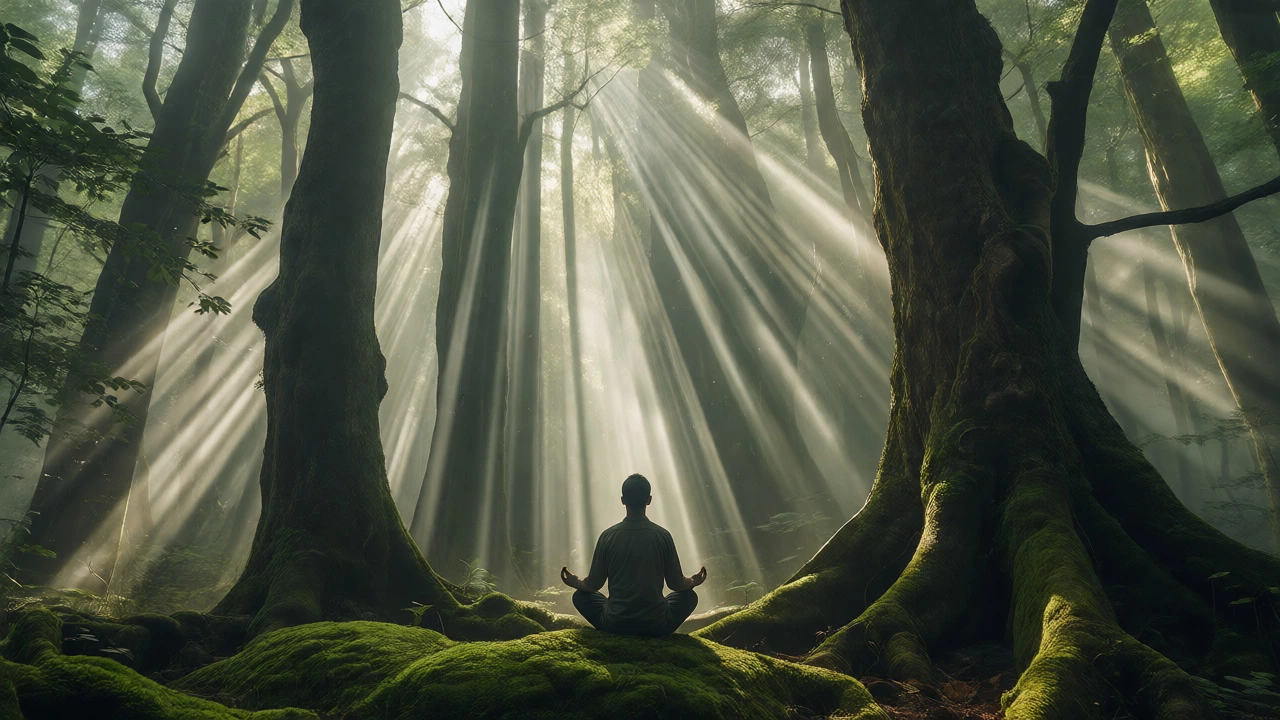
If you want to maximize the mental health benefits, consider trying Shinrin-yoku also known as forest bathing, a Japanese practice of immersing oneself in the atmosphere of a forest. This isn’t about hiking for fitness. It’s about slowing down and engaging your senses. You touch the bark of trees, smell the pine needles, listen to the wind. Studies from Japan have shown that shinrin-yoku lowers blood pressure, heart rate, and cortisol levels more effectively than walking in an urban environment.
The key here is mindfulness. Many of us walk through parks while scrolling through emails. That doesn’t count as true nature immersion. To get the therapeutic effect, you need to disconnect from digital devices. When you remove the constant stream of notifications, your mind stops reacting to artificial urgency. You enter a state of present-moment awareness. This reduces rumination-the repetitive negative thinking patterns associated with depression and anxiety. Instead of worrying about yesterday’s mistake or tomorrow’s deadline, you’re focused on the texture of moss under your feet.
Social Bonds Formed Outside
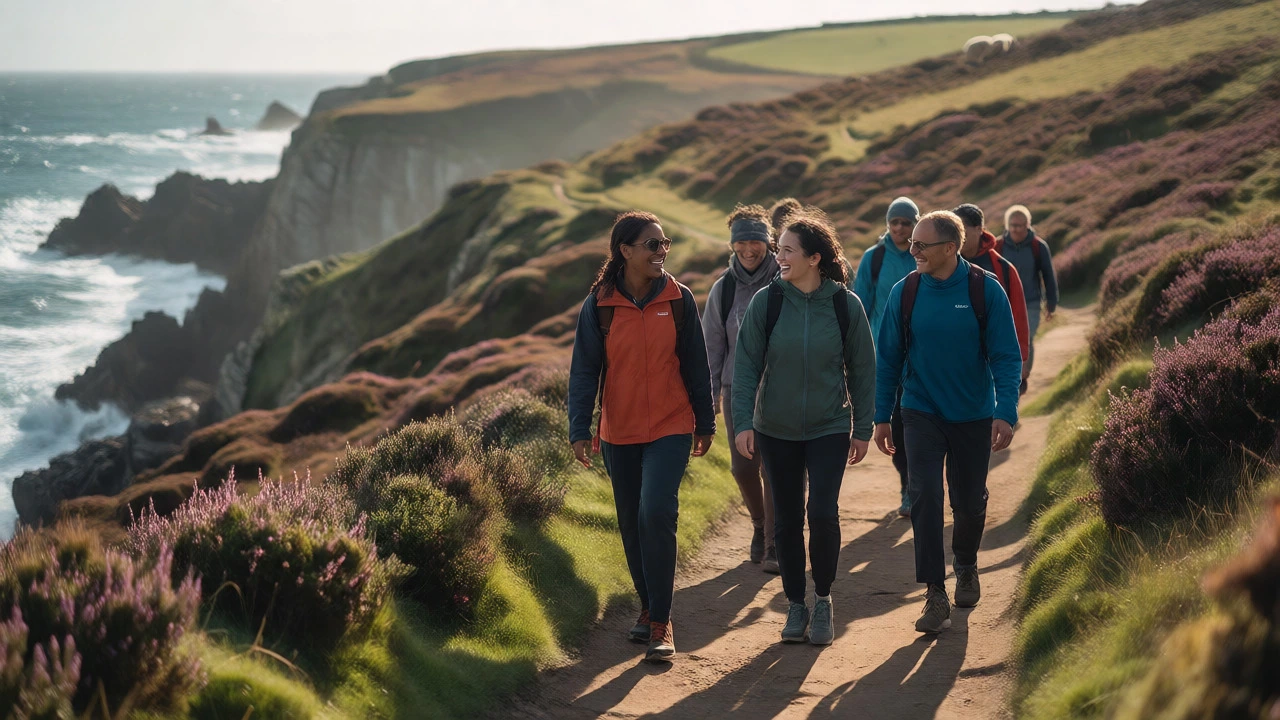
Mental health isn’t just about internal chemistry; it’s also about connection. Social isolation is a major risk factor for poor mental health outcomes. Outdoor activities often provide a low-pressure setting for social interaction. Think about it: sitting across from someone in a cafe can feel formal. Walking side-by-side on a trail feels casual. Conversation flows more naturally when you aren’t making intense eye contact. You can talk about the view, the weather, or nothing at all, and it still feels like bonding.
Community gardens, group hikes, and team sports played outdoors foster a sense of belonging. This communal aspect combats loneliness. For people struggling with social anxiety, outdoor settings can be less intimidating than crowded indoor venues. There’s more space, natural noise cover, and a shared focus on the environment rather than on each other. This creates a safe bridge for building relationships, which is crucial for long-term emotional resilience.
Practical Ways to Incorporate Nature Into Your Routine
You don’t need to move to a cabin in the woods to reap these rewards. Small, consistent doses of nature are effective. Here is how to build it into your life without disrupting your schedule.
- The 20-Minute Rule: Aim for at least 20 minutes of nature exposure daily. This could be a lunchtime walk in a nearby park or tending to a small garden. Consistency matters more than duration.
- Bring Nature Inside: If you live in a concrete jungle, bring elements of the outdoors in. Houseplants, open windows, and natural lighting can reduce stress markers. View studies show that looking at images of nature can lower physiological stress responses.
- Change Your Commute: Walk or bike part of your commute if possible. Even 10 minutes of active travel outdoors sets a positive tone for the day.
- Weekend Escapes: Plan one longer activity per weekend. Hiking, kayaking, or visiting a beach provides deeper restoration. These activities serve as a "reset button" for accumulated weekly stress.
- Digital Detox: Leave your phone behind or put it on airplane mode during your outdoor time. The absence of digital interruption allows your brain to fully engage with the environment.
Potential Pitfalls and How to Avoid Them
While beneficial, outdoor activities aren’t magic bullets. Weather, physical limitations, and accessibility issues can make them challenging. Don’t let perfectionism stop you. If it’s raining, a brisk walk in the rain can still be refreshing. If mobility is an issue, look for accessible trails or sit near a water feature. The goal is progress, not perfection.
Also, beware of overexertion. Pushing too hard physically can spike cortisol instead of lowering it. Listen to your body. The aim is gentle movement and observation, not competitive training. If you find yourself stressed about keeping pace or reaching a destination, slow down. The journey is the point.
How much time outdoors is needed to see mental health benefits?
Research suggests that even short bursts of 10 to 20 minutes can start to lower stress levels. However, consistency is key. Regular daily exposure yields better long-term results than occasional long trips. Aim for at least 120 minutes per week total, broken up into manageable chunks.
Does it matter if the outdoor space is urban or rural?
Both have benefits. Rural areas offer deeper immersion and fewer distractions, ideal for deep restoration. Urban green spaces, like city parks, provide accessible opportunities for frequent micro-breaks. Any access to greenery is better than none, so utilize whatever is closest to you.
Can outdoor activities replace medication for mental health conditions?
Not necessarily. While outdoor activities are a powerful complementary treatment, they should not automatically replace prescribed medication or therapy. Always consult with a healthcare professional before changing your treatment plan. Nature therapy works best as part of a holistic approach.
What if I hate exercising?
You don’t need to exercise vigorously. Sitting on a bench, reading in a garden, or having a picnic counts as being outdoors. The mental health benefits come largely from the environment itself, not just the physical exertion. Find low-effort ways to be outside.
Is winter bad for outdoor mental health benefits?
No, but it requires adaptation. Cold-weather gear makes outdoor time comfortable. Winter light, though weaker, still helps regulate circadian rhythms. Additionally, the crisp air can be invigorating. Just ensure you stay warm and hydrated to prevent discomfort from overshadowing the benefits.