Is Wicked on Broadway Scary? A Parent's Guide to Age Appropriateness
Wicked Age-Appropriateness Checker
Answer a few questions about your child's preferences and sensitivities to get a personalized recommendation for attending Wicked.
Recommendation
Please fill out the form on the left to see if Wicked is a good fit for your family.
You’re staring at the ticket confirmation for Wicked, and a nagging question pops up: Is this going to be too much for my kid? Or maybe you’re an adult who hasn’t seen it yet and is worried about jumping into a "children’s show" that might actually give you nightmares. It’s a valid concern. The poster features a green-skinned witch, flying monkeys, and a dark, industrial aesthetic. It doesn’t exactly scream "cuddly." But here is the truth most people miss: Wicked isn’t scary in the way a horror movie is scary. It’s intense, emotional, and visually striking, but it rarely leaves children trembling under their blankets.
Let’s break down exactly what happens on stage so you can decide if your family is ready. We aren’t talking about vague warnings; we are looking at specific scenes, sound levels, and visual effects that trigger anxiety in sensitive viewers.
The Short Answer: Intensity vs. Fear
| Age Group | Recommended? | Primary Concern | Verdict |
|---|---|---|---|
| Under 6 | No | Loud noises, darkness, complex themes | Skip it. Too long and abstract. |
| 7-9 Years | With Caution | Flying Monkeys, Glinda’s transformation | Only if they love fantasy and handle tension well. |
| 10+ Years | Yes | Emotional weight of friendship/betrayal | Great entry point into serious musical theater. |
| Adults | Definitely | Political allegory, social commentary | A must-see classic. |
The official recommendation from the producers is usually ages 8 and up. Why? Not because there is gore or jump-scares, but because the narrative structure requires attention span and emotional maturity. The story deals with prejudice, political propaganda, and the loss of innocence. These are heavy topics wrapped in a pop-musical package. If your child gets anxious when characters are separated or misunderstood, they might find the second act emotionally taxing rather than frightening.
The Flying Monkeys: The Main Visual Trigger
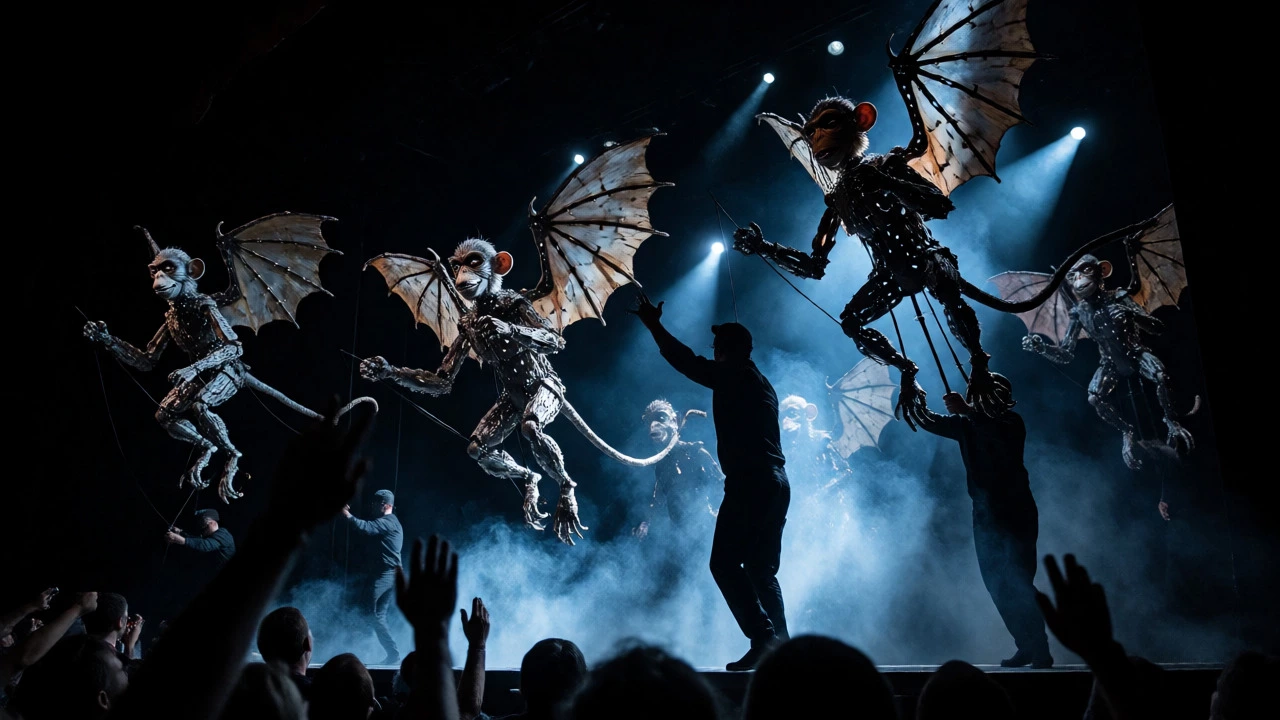
If there is one element that parents consistently flag as "scary," it’s the Flying Monkeys. In the original The Wizard of Oz, these creatures are menacing. In Wicked, they are tragic figures. They are animals who have been magically altered by the Wizard’s administration to serve as enforcers. Visually, they are puppeteered by actors in black suits against a black background (a technique called bunraku). This makes them appear to float independently.
For a six-year-old, seeing large, bat-like creatures swooping over the audience with shrieking sound effects can be startling. The sound design is crisp and directional. You hear them before you fully process what they are. However, once the initial shock wears off, most kids realize these creatures are actually sympathetic victims of the villainous regime. The fear factor drops significantly after Act One ends. If you are sitting close to the front, the physical presence of the puppets is more impressive than terrifying. From the balcony, they look like animated shadows.
Elphaba’s Transformation and The Dark Magic
Another moment that causes hesitation is Elphaba’s accidental use of magic. When she casts her first spell on Nessarose, things go wrong. There is smoke, flashing lights, and a sudden shift in tone. The lighting designer uses stark contrasts-deep blues and harsh whites-to signal danger. This isn’t a monster appearing from a closet; it’s the chaos of uncontrolled power.
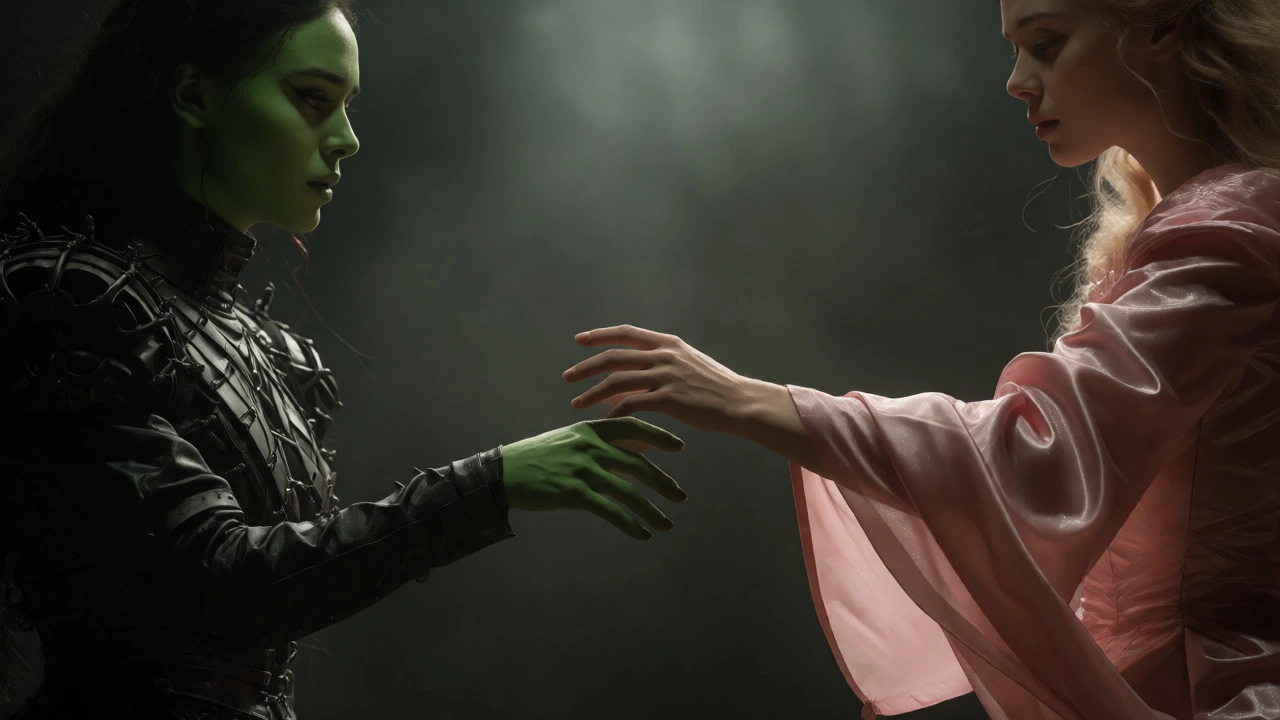
The scene where Elphaba becomes the "Wicked Witch" involves her turning green. This is done through costume changes and lighting tricks, not prosthetics. It happens quickly. For sensitive viewers, the change in her appearance symbolizes her alienation. It’s sad, not scary. The real tension comes from the crowd’s reaction to her within the story. The citizens of Oz turn on her. That social rejection is often more unsettling to empathetic children than any special effect.
Sound Levels and Sensory Overload
Broadway theaters are loud. Wicked has a full orchestra pit, and the score includes powerful brass sections and drum-heavy numbers like "Wonderful" and "No Good Deed." If your child has auditory processing issues or is sensitive to sudden loud noises, bring noise-reducing headphones. The climax of Act Two features a storm sequence with thunder sounds that vibrate the seats. It’s immersive, which is great for adults but can be overwhelming for toddlers or very young children.
- Tip: Avoid the front rows if you are worried about volume. The sound mix is balanced better in the mezzanine or rear orchestra sections.
- Pitfall: Don't assume earplugs will ruin the experience. Modern high-fidelity musician’s earplugs reduce decibels without muffling the dialogue.
Emotional Weight: Why It Might Feel "Scary" Inside
Here is the nuance many reviews miss. Wicked is a tragedy disguised as a comedy. The relationship between Elphaba and Glinda is the core. Watching two best friends drift apart due to societal pressure is heartbreaking. For older kids (10+), this emotional resonance is what makes the show powerful. For younger ones, it can feel confusing or distressing. They might ask, "Why are they fighting?" or "Why is Elphaba crying?"
The concept of "wickedness" itself is questioned. The show asks: Who decides who is good or bad? This moral ambiguity is intellectually stimulating but lacks the clear-cut "good guys vs. bad guys" resolution that younger children prefer. If your child needs every problem solved neatly by the end, they might leave feeling unsettled rather than scared. The ending is bittersweet, not happy. Prepare for some post-show questions.
Comparison to Other Family Musicals
To put it in perspective, let’s compare Wicked to other common family choices. Unlike The Lion King, which is bright and animal-centric, Wicked has darker tones. Unlike Matilda, which is quirky and satirical, Wicked is romantic and dramatic. It sits somewhere between Harry Potter and the Cursed Child (which is genuinely spooky) and Mamma Mia! (which is purely fun).
| Show | Visual Scare Level | Emotional Complexity | Best Age |
|---|---|---|---|
| Wicked | Medium (Puppets/Lights) | High | 8+ |
| Harry Potter | High (Dementors/Dark Magic) | Medium | 10+ |
| The Lion King | Low | Low | 4+ |
| Phantom of the Opera | High (Mask/Maze) | High | 12+ |
If you found Harry Potter too intense, Wicked is likely safer. If you found The Lion King too simple, Wicked offers the depth you’re looking for. It’s the perfect bridge for families transitioning from "kids' shows" to "real theater."
Practical Tips for Parents
So, how do you ensure a smooth experience? First, talk to your child beforehand. Explain that the green lady isn’t evil; she’s just different. Frame the Flying Monkeys as helpers who got tricked. Second, choose your seats wisely. The Gershwin Theatre is massive. Sitting too low can make the stage feel distant and the puppets less readable. Aim for the center aisle in the Orchestra B section or the front row of the Mezzanine for the best view of both the actors and the spectacle.
Also, consider the intermission. Wicked runs about two hours and forty-five minutes. That’s a long time for a seven-year-old to sit still. If you’re unsure, start with a matinee. Tired kids get cranky, and cranky kids interpret intensity as fear. Finally, check for sensory-friendly performances if available. Some Broadway houses offer adjusted lighting and lower volume for audiences with autism or sensory sensitivities.
Is Wicked appropriate for a 5-year-old?
Generally, no. Most experts recommend waiting until age 8. At 5, the runtime is too long, the plot is too complex, and the loud orchestral music combined with dark lighting effects can cause sensory overload rather than enjoyment. They may not understand why the main character is being persecuted, leading to boredom or confusion rather than fear.
Are there any jump scares in Wicked?
There are no traditional jump scares. The moments of surprise are related to magical transformations or sudden entrances of the Flying Monkeys. These are theatrical surprises designed to elicit awe or gasps, not terror. The pacing allows the audience to adjust to the new visual elements quickly.
Does Wicked contain violence?
There is implied violence and conflict, such as the treatment of Animals in Oz and the political oppression of the Witches. However, there is no graphic bloodshed or on-stage combat that looks realistic. The conflict is resolved through magic and dialogue, keeping it suitable for family viewing despite its serious themes.
What is the scariest part of the show?
For most sensitive viewers, the scariest part is the atmosphere during the "Wonderful" number, where the Wizard manipulates the crowd, or the final confrontation where Elphaba is cornered. The sense of isolation and public shaming is emotionally heavier than any visual monster.
Can I buy tickets for the whole family if one child is scared?
Yes, but prepare the child. Sit near an aisle so you can step out briefly if needed. Many parents report that even if a child is initially nervous, they become engrossed by the songs and costumes within the first 20 minutes. The interactive nature of the Flying Monkeys often turns fear into fascination.