
5 Proven Benefits of Outdoor Activities for Mind and Body

Outdoor Wellness Calculator
Enter your average daily time spent outdoors to see how it aligns with scientific recommendations for mind and body health.
Active Benefits:
You know that feeling when you’ve been stuck indoors all week, staring at screens, and your brain feels like foggy glass? Then you step outside, take a deep breath of fresh air, and suddenly things click into place. It’s not just a mood boost; it’s biology. Outdoor activities are more than just hobbies-they are essential tools for maintaining holistic health in a digital-first world. Whether it’s a quick walk in the park or a weekend hike, getting outside changes how your body functions and how your mind processes stress. Let’s break down exactly why swapping the gym for the great outdoors might be the best decision you make this year.
Mental Clarity and Stress Reduction
We live in an era of constant notification pings. Our brains are rarely allowed to rest. When you engage in outdoor activities, you trigger what researchers call "Attention Restoration Theory." This isn’t some abstract concept; it’s a measurable shift in cognitive function. Natural environments demand less directed attention than urban settings do. You don’t have to actively filter out traffic noise or analyze spreadsheets. Instead, your brain enters a state of soft fascination.
This state allows your prefrontal cortex-the part of your brain responsible for complex planning and impulse control-to recover from fatigue. Studies published in journals like Frontiers in Psychology have shown that even 20 minutes in a green space can significantly lower cortisol levels, the primary stress hormone. If you’re feeling burned out by work deadlines or family logistics, a simple session of gardening or birdwatching acts as a reset button. It clears the mental clutter so you can return to tasks with sharper focus and less emotional reactivity.
Improved Physical Fitness Without the Burnout
Gym memberships often gather dust because they feel like chores. The fluorescent lights, the repetitive machines, the pressure to perform-it can be exhausting before you even start sweating. Outdoor activities change the equation entirely. When you hike, swim in open water, or cycle through city streets, the terrain is unpredictable. This variability engages stabilizer muscles and improves proprioception (your awareness of where your body is in space) far better than running on a flat treadmill ever could.
Consider hiking. It’s not just cardio; it’s strength training for your legs and core while boosting cardiovascular health. A study from the University of Utah found that people who exercised outdoors reported higher energy levels and greater enjoyment compared to those who did the same workout indoors. Why? Because the changing scenery distracts you from the effort. You’re too busy watching a hawk circle overhead or navigating a rocky path to notice how hard your lungs are working. This makes consistency easier, which is the real secret to long-term fitness.
Vitamin D and Immune System Boost
Let’s talk about sunlight. In many modern cities, including Sydney where I’m based, we spend over 90% of our time indoors. This leads to widespread Vitamin D deficiency, which impacts everything from bone health to immune function. Sunlight triggers the production of Vitamin D3 in your skin, a nutrient crucial for calcium absorption and fighting off infections.
Beyond Vitamin D, exposure to natural elements strengthens immunity. Soil contains beneficial bacteria like Mycobacterium vaccae, which research suggests may stimulate serotonin production and reduce anxiety. Breathing in fresh air, free from the recycled ventilation systems of office buildings, also reduces exposure to indoor pollutants and mold spores. Regular outdoor exposure essentially trains your immune system to be more resilient, potentially reducing the frequency of common colds and seasonal allergies.
| Feature | Indoor Gym | Outdoor Activity |
|---|---|---|
| Perceived Effort | Higher (monotony increases fatigue) | Lower (distraction reduces perceived exertion) |
| Muscle Engagement | Targeted, isolated groups | Full-body, stabilizers engaged |
| Mental State | Focus on performance metrics | Relaxation and mindfulness |
| Sun Exposure | Negligible | High (Vitamin D synthesis) |

Enhanced Sleep Quality
If you struggle to fall asleep or wake up groggy, your environment during the day might be the culprit. Human circadian rhythms are synchronized by light. Bright natural light in the morning suppresses melatonin and boosts alertness, setting your internal clock. As evening approaches, the absence of blue-light-heavy artificial lighting helps melatonin rise naturally, preparing your body for rest.
A study conducted at the University of Colorado Boulder demonstrated that camping trips-even short ones-could shift participants’ sleep cycles by two hours earlier, aligning them with natural solar patterns. You don’t need to camp in the wilderness to get this benefit. Just ensuring you get 30 minutes of daylight before noon can anchor your circadian rhythm. For shift workers or insomniacs, combining morning walks with evening cool-downs outdoors can be a powerful non-pharmaceutical intervention for better rest.
Social Connection and Community Building
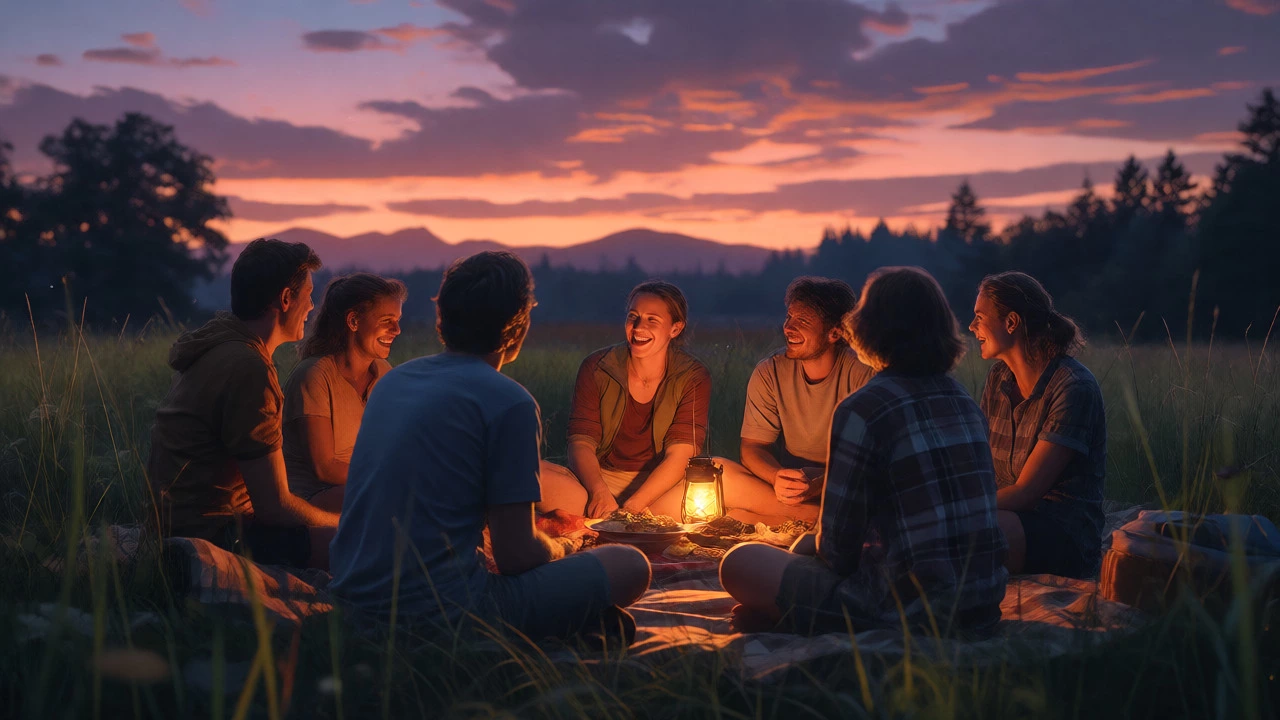
Indoor socializing often revolves around bars or restaurants, which can be expensive and sometimes isolating despite being surrounded by people. Outdoor activities foster a different kind of connection. Group hikes, community garden projects, or team sports like ultimate frisbee create shared experiences rooted in action rather than conversation alone.
These interactions build stronger social bonds because they involve cooperation and shared vulnerability. Navigating a difficult trail together or planting vegetables side-by-side creates memories and trust. Research indicates that people who participate in group outdoor activities report higher levels of life satisfaction and lower feelings of loneliness. It’s harder to scroll through your phone when you’re trying to keep up with a cycling group or spotting wildlife with friends. The activity itself becomes the icebreaker, making it easier to meet new people without the awkwardness of forced networking.
Developing Resilience and Problem-Solving Skills
The outdoors is unpredictable. Weather changes, trails get muddy, and equipment fails. Dealing with these minor inconveniences builds psychological resilience. Unlike a controlled indoor environment where conditions are static, nature forces you to adapt. This practice translates directly to everyday life. When you learn to adjust your route because of rain or navigate using a map instead of GPS, you sharpen your problem-solving skills.
This adaptability reduces anxiety about the unknown. If you can handle a sudden storm on a mountain, a missed deadline at work feels much more manageable. Outdoor activities teach patience and resourcefulness. They remind us that we can’t always control our environment, but we can control our response to it. This mindset shift is invaluable for personal growth and professional development.
Frequently Asked Questions
How much time outdoors do I need to see benefits?
Research suggests that spending at least 120 minutes per week in nature is associated with good health and well-being. However, even short bursts of 10-15 minutes daily can provide immediate stress relief and improve mood. Consistency matters more than duration.
Do indoor plants count as outdoor activities?
While indoor plants improve air quality and aesthetics, they don't fully replicate the benefits of being outdoors. Outdoor activities provide direct sunlight for Vitamin D, varied terrain for physical challenge, and broader sensory engagement that houseplants cannot match.
What if I live in a city with little green space?
You can still reap benefits by visiting urban parks, botanical gardens, or waterfront areas. Even walking along tree-lined streets exposes you to natural light and fresh air. Seek out any patch of sky and greenery; the impact on mental clarity remains significant.
Is outdoor exercise better than gym workouts?
Neither is inherently "better," but outdoor exercise offers unique advantages like improved mental health, Vitamin D synthesis, and variable resistance from terrain. Gyms offer precision and climate control. A balanced approach often yields the best results.
Can outdoor activities help with depression?
Yes, studies show that regular exposure to nature can alleviate symptoms of mild to moderate depression. The combination of physical movement, sunlight, and social interaction addresses multiple factors contributing to low mood. Always consult a healthcare provider for clinical treatment.