
How to Plan the Perfect Fun Day Outside: Ideas and Tips
Outdoor Day Adventure Planner
1. Define Your Vibe
2. Your Balanced Itinerary
Adjust the settings on the left to generate your custom plan.
Key Takeaways for a Great Outing
- Prioritize variety: Mix physical effort with low-energy lounging.
- Pack smart: Focus on hydration and high-energy snacks over heavy meals.
- Keep it flexible: The best moments often happen when you deviate from the plan.
- Check the environment: Understand the terrain and weather to avoid mood-killing mishaps.
Choosing the Right Setting for Your Vibe
Before you throw a frisbee in the car, ask yourself what kind of "fun" you're actually looking for. A trip to a Botanical Garden is a completely different energy than a day at a National Park. One is about aesthetics and slow walking; the other is about exploration and physical challenge.
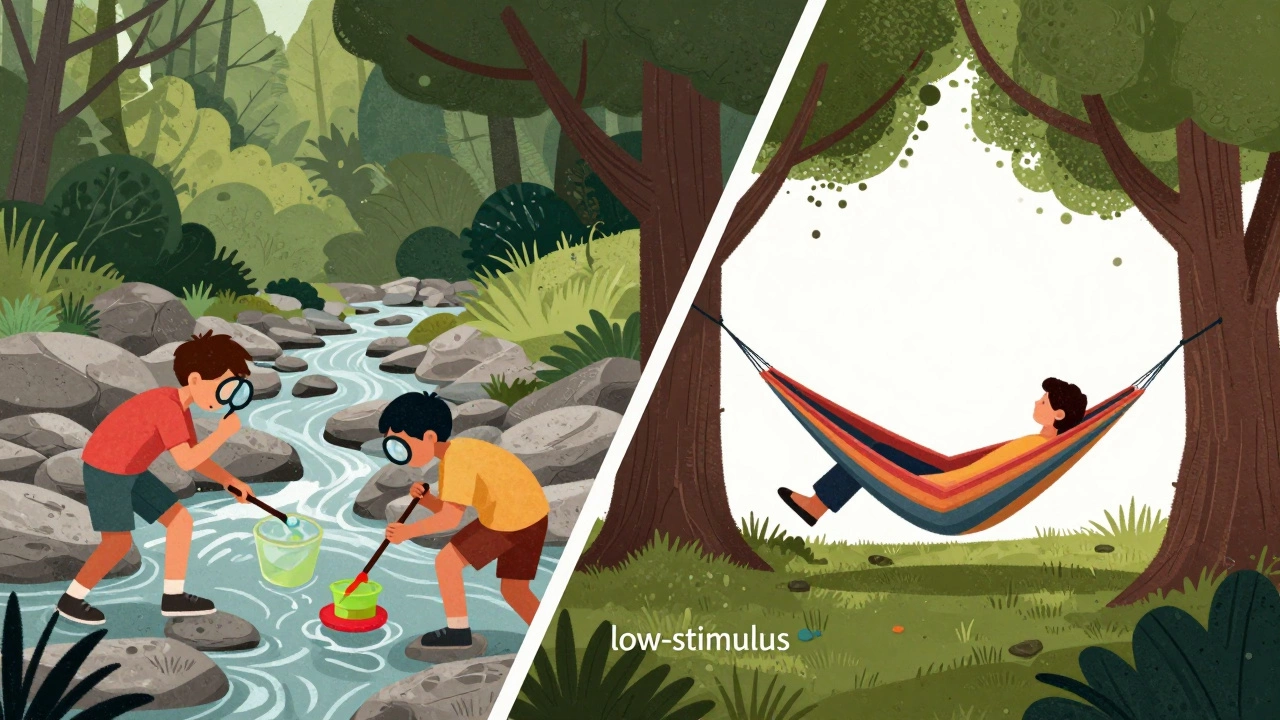
If you're with kids, you need "high-stimulus" environments. Think playgrounds, creek beds where they can hunt for crawfish, or open fields where they can run until they're exhausted. For adults, a more "low-stimulus" setting like a quiet lakeside beach or a vineyard works better. The mistake most people make is trying to force a high-energy activity on a group that just wants to lounge, or vice versa. If you're heading to the coast, look for areas with tide pools. It's a natural curiosity trap that keeps everyone engaged without needing a structured itinerary.
The Art of the Outdoor Menu
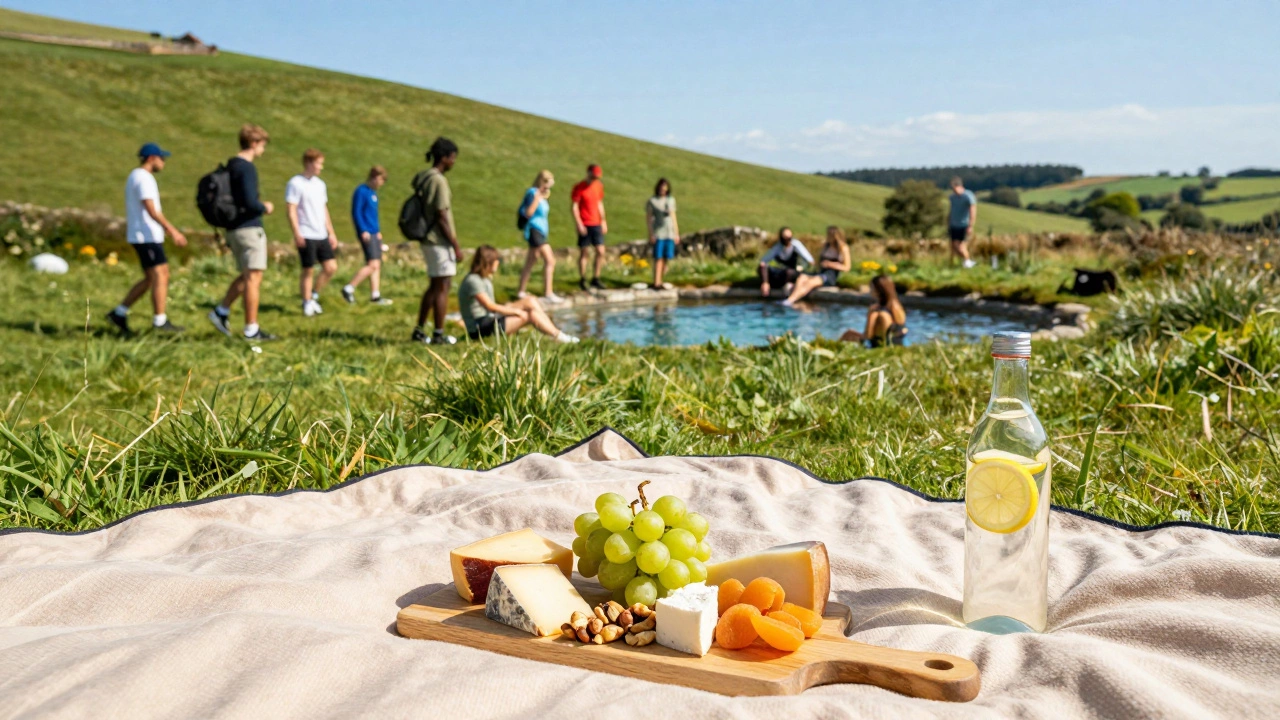
Food can make or break an outdoor trip. Nothing kills the mood faster than a soggy sandwich or a sugar crash halfway through a trail. Instead of heavy pasta or greasy fast food, focus on foods that provide a steady stream of energy. Think about a charcuterie-style spread-hard cheeses, nuts, dried apricots, and grapes. These don't require refrigeration for a few hours and provide a mix of fats and sugars to keep you going.
Hydration is where most people fail. Water is essential, but if you're active for more than three hours, you need electrolytes. A simple mix of water, a pinch of salt, and a splash of lemon prevents that midday headache that makes you want to go home early. Also, avoid overly salty snacks right before a long walk; you'll just end up drinking a gallon of water and spending half your day looking for a restroom.
| Category | Pack This (The Wins) | Avoid This (The Fails) |
|---|---|---|
| Main Course | Wraps, hearty salads, quinoa bowls | Mayonnaise-heavy sandwiches, soggy bread |
| Snacks | Almonds, apple slices, jerky | Chocolate-coated bars (they melt), potato chips |
| Drinks | Infused water, coconut water, iced tea | Sugary sodas, heavy energy drinks |
Activities That Actually Keep People Interested
To make a day truly fun day outside, you need a mix of structured and unstructured activities. If you just "go for a walk," people might get bored after twenty minutes. Instead, give the day a theme or a mission. For example, instead of a hike, call it a "scavenger hunt" for five specific types of wildflowers or a particular rock formation. This changes the psychology from "exercise" to "exploration."
For those who prefer something more active, consider bringing along a Hammock. It sounds like a lounging tool, but the act of finding the perfect two trees to set it up is a mini-game in itself. Once it's up, it becomes the social hub of the day. If you're near water, a Kayak or a simple paddleboard adds a layer of adventure that changes the perspective of the landscape.
Don't forget the "low-tech" entertainment. A deck of cards or a portable frisbee are classics for a reason. They require zero battery and encourage face-to-face interaction. Try a game of "Kubb" or cornhole if you have the space; these activities create a natural competitive spark that keeps the energy high without requiring a full workout.
Managing the "Mood Killers"
The difference between a dream day and a nightmare is often just a few pieces of gear. Sunburn and insect bites are the primary enemies of outdoor fun. Instead of just packing a bottle of sunscreen, apply it before you leave the house so you don't spend twenty minutes of your prime daylight hours rubbing lotion on everyone. Use a repellent containing DEET or Picaridin for areas known for ticks or mosquitoes; a few itchy welts can ruin the memory of a great view.
Weather is another variable. A sudden drizzle doesn't have to end the day. Packing a couple of lightweight, waterproof ponchos means you can actually enjoy the rain instead of panicking and rushing back to the car. There's a specific kind of joy in being the only group still exploring a park during a light rain shower while everyone else has fled.
Lastly, handle the transition back to reality. The "post-outdoor slump" happens when you get home and immediately crash. Instead, plan a low-key wind-down activity, like sharing the photos you took during the day or a simple dinner. This extends the positive feeling of the day into the evening.
Tailoring the Day to Your Group
Not every group wants the same thing. If you're organizing for a diverse set of ages, you need a "base camp." This is a central spot-like a large picnic table or a shaded grove-where the slower members of the group can relax while the more adventurous ones go for a quick sprint or a steep climb. This prevents the fast walkers from feeling held back and the slower walkers from feeling pressured.
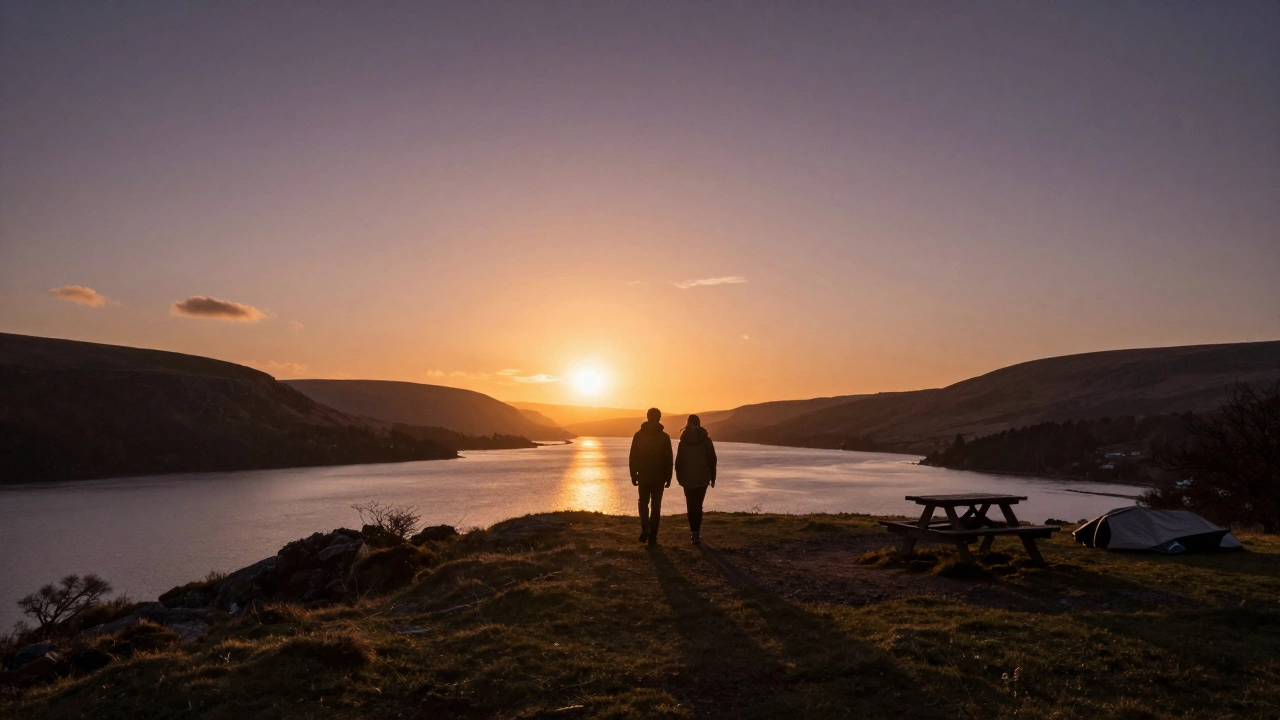
For a romantic outing, focus on the "golden hour." Plan your most scenic activity-like a walk along a ridge or a lakeside picnic-for the hour before sunset. The lighting is better for photos, the temperature is usually more comfortable, and the atmosphere is naturally more relaxed. Avoid overly strenuous activities right before the romantic part of the day; nobody wants to be covered in sweat and exhausted when the sun starts to set.
What are some low-budget ideas for a fun day outside?
You don't need to spend much. A local public park, a community hiking trail, or a public beach are usually free. Pack a homemade picnic, bring a ball or frisbee from home, and use a free app like AllTrails to find an interesting path nearby. The focus should be on the company and the movement, not the cost of the venue.
How do I keep kids engaged during a nature walk?
Give them a job. Give them a magnifying glass and ask them to find three different types of insects, or give them a checklist of things to spot (a red leaf, a smooth stone, a bird's nest). Turning a walk into a treasure hunt transforms the experience from a chore into a game.
What is the best time of day to start an outdoor trip?
Generally, early morning (between 7 AM and 9 AM) is best. You beat the crowds, the temperature is cooler, and the wildlife is more active. It also gives you a psychological win-knowing you've accomplished something before most people have had their second coffee.
What should I do if the weather turns bad unexpectedly?
First, assess the danger. If there's lightning, get off ridges and away from tall trees immediately. If it's just rain, use your ponchos and move toward a natural shelter or the car. Sometimes a rainy hike is actually more memorable, provided you stay warm and dry.
How do I plan for a group with very different fitness levels?
Use the "hub and spoke" method. Establish a central hub (the picnic area) where everyone can gather. Then, offer different "spoke" activities: a short, easy walk for some and a challenging climb for others. This ensures everyone feels included without anyone feeling exhausted or bored.
Next Steps for Your Adventure
If you're feeling overwhelmed, start small. Pick one local spot you've never visited and commit to spending just four hours there this weekend. Don't try to plan a multi-city expedition on your first go. Once you master the basics of packing and pacing, you can start looking into more complex trips, like overnight camping or long-distance biking.
For those who want to level up, try a "digital detox" challenge. Agree with your group to put all phones in a designated bag for three hours. You'll be surprised how much more you notice about your surroundings-and how much better your conversations get-when the distraction of notifications is gone.