Who Should Not Use Virtual Reality? A Safety Guide for VR Headsets
VR Safety & Risk Assessment Tool
Personal Health Checklist
Answer the following questions honestly to determine your suitability for using VR headsets.
Why Check?
VR disconnects visual cues from physical balance. For some, this causes more than just dizziness—it can trigger seizures, falls, or severe nausea.
- ● Epilepsy triggers
- ● Motion sickness risks
- ● Eye strain potential
Virtual reality promises to transport you anywhere. You can stand on Mars, play tennis with a pro, or explore ancient ruins without leaving your living room. It sounds like magic. But for some people, that magic comes with real physical risks. Before you strap on a headset, it is crucial to understand that virtual reality is not safe for everyone.
The technology relies on tricking your brain into believing it is somewhere else. This disconnect between what your eyes see and what your body feels can cause serious issues for certain groups of people. Ignoring these warnings can lead to more than just a headache; it can result in injury or worsen existing medical conditions. Let’s look at exactly who needs to stay away from the headset and why.
Epilepsy and Photosensitive Seizures
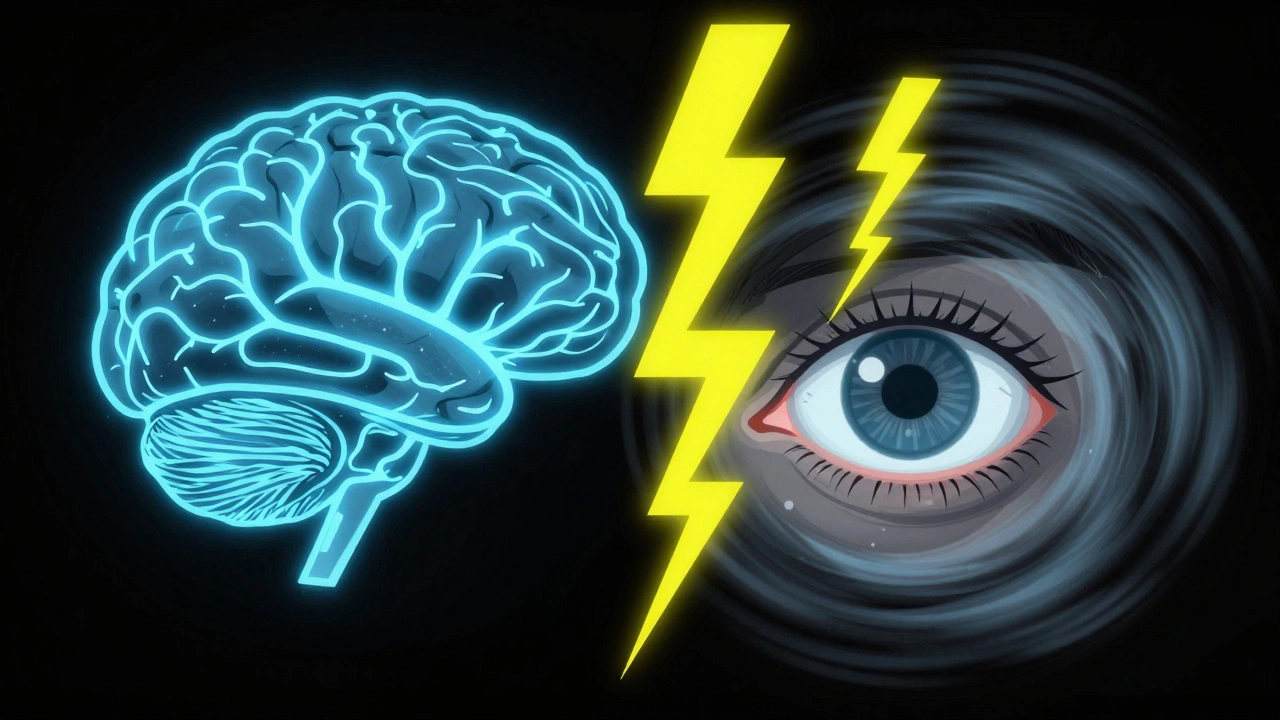
This is the most critical warning in every VR manual. Many VR experiences feature rapid flashing lights, high-contrast patterns, or intense visual effects. For individuals with photosensitive epilepsy, these visuals can trigger a seizure. Even if you have never had a seizure before, exposure to strobe effects in VR can potentially induce one.
If you have a history of seizures, even minor ones, you should consult a neurologist before using any VR device. The immersive nature of headsets means you cannot easily look away from a trigger once it starts. Most major platforms, including Meta Quest and PlayStation VR, include content ratings that flag experiences with flashing lights. However, user-generated content may not always carry these warnings accurately. If you experience dizziness, visual disturbances, or muscle twitching during use, stop immediately.
Motion Sickness and Vestibular Disorders
Motion sickness is not just an annoyance; for some, it is a debilitating condition. In VR, this occurs due to sensory conflict. Your eyes tell your brain you are moving-running, flying, or turning-but your inner ear (vestibular system) tells your brain you are sitting still. This mismatch confuses the brain, leading to nausea, sweating, and vomiting.
People with pre-existing vestibular disorders, such as Meniere's disease or benign paroxysmal positional vertigo (BPPV), are at significantly higher risk. Their balance systems are already compromised, making them less able to handle the artificial movement cues provided by the headset. If you get carsick often, you might find VR difficult to tolerate. While some users build tolerance over time, others never adapt. Start with stationary experiences where you do not move through the virtual world. Avoid games with locomotion mechanics like walking or flying until you know how your body reacts.
Eye Health and Binocular Vision Issues
VR headsets place screens inches from your eyes. This requires your eyes to converge and accommodate differently than they do in normal life. For people with uncorrected vision problems, this strain can be severe. Specifically, individuals with binocular vision anomalies, such as strabismus (crossed eyes) or amblyopia (lazy eye), may struggle to fuse the two images presented by the headset into one coherent picture.
Using VR with improper prescription lenses can lead to significant eye strain, headaches, and blurred vision. If you wear glasses, ensure your headset has adjustable IPD (interpupillary distance) settings or space for corrective lenses. People recovering from eye surgery or those with acute eye infections should avoid VR entirely until fully healed. The blue light emitted by OLED and LCD screens can also exacerbate digital eye strain, so taking regular breaks is essential for maintaining ocular health.
Pregnancy and Physical Safety Risks
While there is no direct evidence that VR radiation harms a fetus, the physical risks associated with VR make it unsuitable for pregnant women, especially in later stages. VR often involves standing up, reaching out, or moving around. A sudden loss of balance, caused by motion sickness or distraction, could lead to a fall. Falling while pregnant can have serious consequences for both mother and child.
Furthermore, the weight of the headset can put pressure on the neck and shoulders. As pregnancy progresses, hormonal changes loosen ligaments, increasing the risk of joint instability. Adding the weight of a VR headset to this equation is not advisable. If you are pregnant, stick to seated experiences in a safe, clear area, but generally, it is best to wait until after delivery to resume regular VR use.
Children Under Eight Years Old
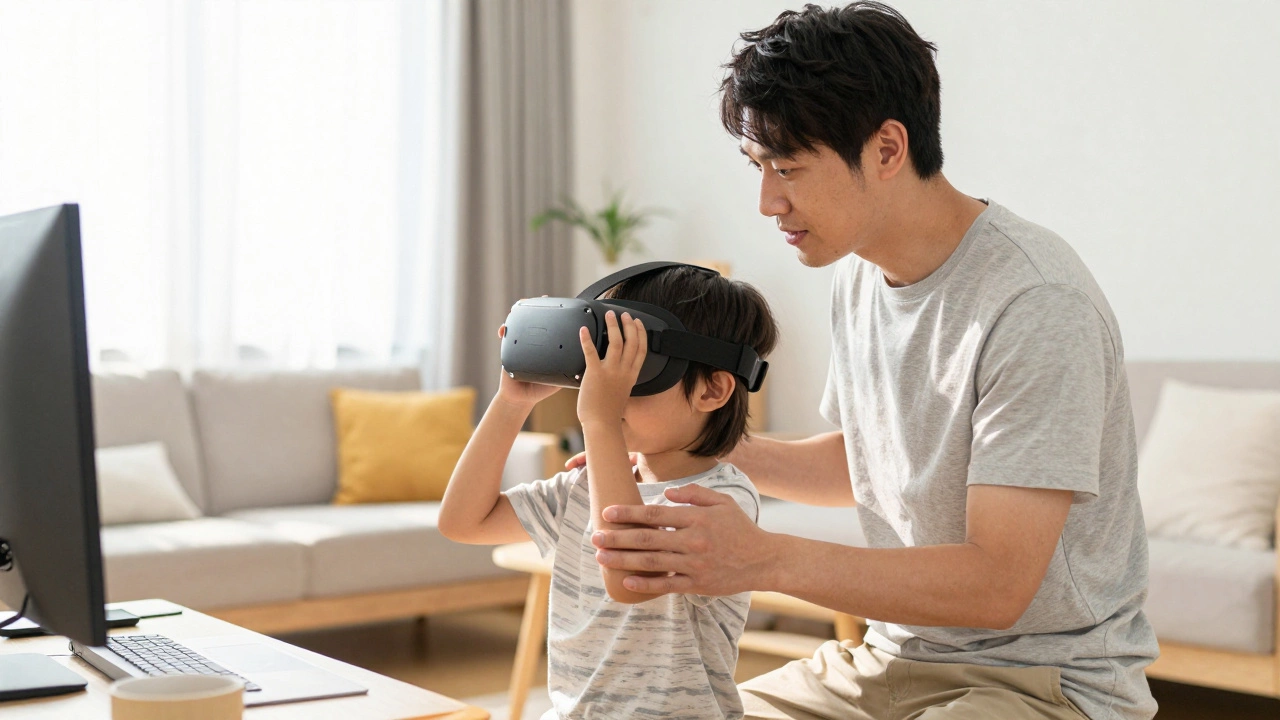
Most VR manufacturers, including Meta, Sony, and HTC, explicitly state that their devices are not suitable for children under the age of eight. This restriction is based on developmental concerns. Children’s eyes and brains are still developing. The long-term effects of prolonged exposure to near-field displays on developing visual systems are not yet fully understood.
Younger children also lack the spatial awareness and coordination to navigate VR safely. They are more likely to collide with objects in their physical environment because they are completely immersed in the virtual one. Additionally, they may not recognize the difference between virtual danger and real-world safety. Parents should supervise any VR use for older children strictly, limiting session times to 15-20 minutes to prevent eye strain and confusion.
Mental Health Conditions
VR is incredibly immersive, which makes it powerful for therapy but risky for those with certain mental health conditions. Individuals with severe anxiety, PTSD, or psychosis may find VR triggers overwhelming. For someone with PTSD, a realistic simulation-even if intended for exposure therapy-can cause a panic attack or flashback if not managed by a professional.
People prone to dissociation or derealization may struggle to distinguish between the virtual experience and reality after extended use. This blurring of lines can be distressing. If you have a history of severe mental health episodes, consult a therapist before engaging with intense VR narratives. Horror games and highly realistic simulations should be avoided by anyone with sensitivity to stress or fear-inducing scenarios.
Cardiovascular Issues and Intense Experiences
Some VR experiences are physically demanding. Beat Saber, for example, requires fast reflexes and vigorous arm movements. Others induce adrenaline rushes through simulated heights or chases. For individuals with cardiovascular conditions, such as heart disease or hypertension, this sudden spike in heart rate and blood pressure can be dangerous.
If you have been advised by a doctor to limit physical exertion, treat VR gaming like moderate exercise. Monitor your heart rate and take frequent breaks. Do not engage in competitive or high-intensity VR activities if you have unstable angina or recent cardiac events. The stress response triggered by virtual threats is real, even if the threat isn't.
How to Check If VR Is Safe for You
Before buying or borrowing a headset, run through this quick checklist:
- Medical History: Have you had seizures, strokes, or serious eye surgeries?
- Balance: Do you suffer from chronic dizziness or vertigo?
- Vision: Are your eyes properly corrected, and do you have binocular vision?
- Pregnancy: Are you currently pregnant?
- Age: Are you over eight years old?
- Mental State: Do you have conditions triggered by sensory overload?
If you answered yes to any of these, proceed with caution or avoid VR altogether. Always start with short sessions-five to ten minutes-and sit down while using the headset initially. If you feel any discomfort, remove the headset immediately. Do not push through the symptoms.
| Condition / Group | Risk Level | Reason |
|---|---|---|
| Epilepsy | High | Flashing lights can trigger seizures |
| Vestibular Disorders | High | Sensory conflict causes severe nausea |
| Uncorrected Vision | Medium | Eye strain and inability to focus |
| Pregnancy | Medium | Fall risk and physical strain |
| Children Under 8 | High | Developing eyes and lack of spatial awareness |
| Severe Anxiety/PTSD | Variable | Immersive triggers can cause panic |
Troubleshooting Discomfort
If you decide to try VR despite mild concerns, follow these safety tips. First, set up a "guardian" or boundary system. This creates a virtual wall that warns you when you are close to hitting something in the real world. Second, keep the room well-lit so you can see obstacles if you take the headset off suddenly. Third, hydrate before playing. Dehydration worsens motion sickness. Finally, listen to your body. If you feel sick, dizzy, or confused, stop. There is no prize for pushing through discomfort.
Can VR cause permanent damage to my eyes?
There is currently no scientific evidence that VR causes permanent eye damage in healthy adults. However, it can cause temporary digital eye strain, dryness, and headaches. People with existing binocular vision issues may experience more significant discomfort. Taking regular breaks and ensuring proper prescription correction minimizes these risks.
Is it safe for children to use VR headsets?
Most manufacturers recommend against VR use for children under eight years old. This is due to the ongoing development of their visual systems and potential unknown long-term effects. For older children, supervised use with limited session times (15-20 minutes) is generally considered safe, but parents should monitor for signs of eye strain or confusion.
What should I do if I feel sick while using VR?
Stop immediately. Remove the headset and rest in a comfortable, well-lit room. Drink water and fresh air can help alleviate symptoms. Do not try to "push through" the sickness, as this can worsen the reaction and make future VR sessions more difficult. If symptoms persist, consult a healthcare provider.
Can VR trigger seizures in people without epilepsy?
While rare, it is possible for individuals with undiagnosed photosensitive epilepsy to experience a seizure triggered by flashing lights in VR. If you have never had a seizure but experience visual disturbances, dizziness, or muscle twitching during VR use, stop immediately and seek medical advice. Always check content ratings for flashing light warnings.
Are there VR experiences safe for people with motion sickness?
Yes. Look for "stationary" or "seated" VR experiences where the camera does not move artificially. These types of applications allow you to look around freely without simulating travel, which reduces sensory conflict. Avoid games with locomotion mechanics like walking, running, or flying until you determine your tolerance level.