What Is the Point of Wine Tasting? A Practical Guide to Sensory Skills
Wine Tasting Skill Builder
💡 Step 1: Select a Tasting Phase
Click on a phase below to reveal the checklist for that step.
✆ Step 2: Complete the Checklist
Select a tasting phase from the left to begin your sensory evaluation.
Picture this: you’re holding a glass of red wine. It looks deep purple. You take a sip. It tastes like... well, wine. Maybe a bit fruity, maybe a bit bitter. If that’s your experience, you might wonder why people spend hours swirling glasses, sniffing deeply, and scribbling notes about 'earthy undertones.' What is the point of wine tasting? Is it just an excuse for rich people to snob around?
Actually, there is a very practical reason behind the ritual. Wine tasting isn't about judging others; it's about sharpening your own senses. It turns drinking from a passive act into an active exploration. Whether you want to pick better bottles at the grocery store, understand what winemakers are trying to achieve, or simply get more pleasure out of every sip, learning how to taste changes everything.
The Science Behind the Swirl
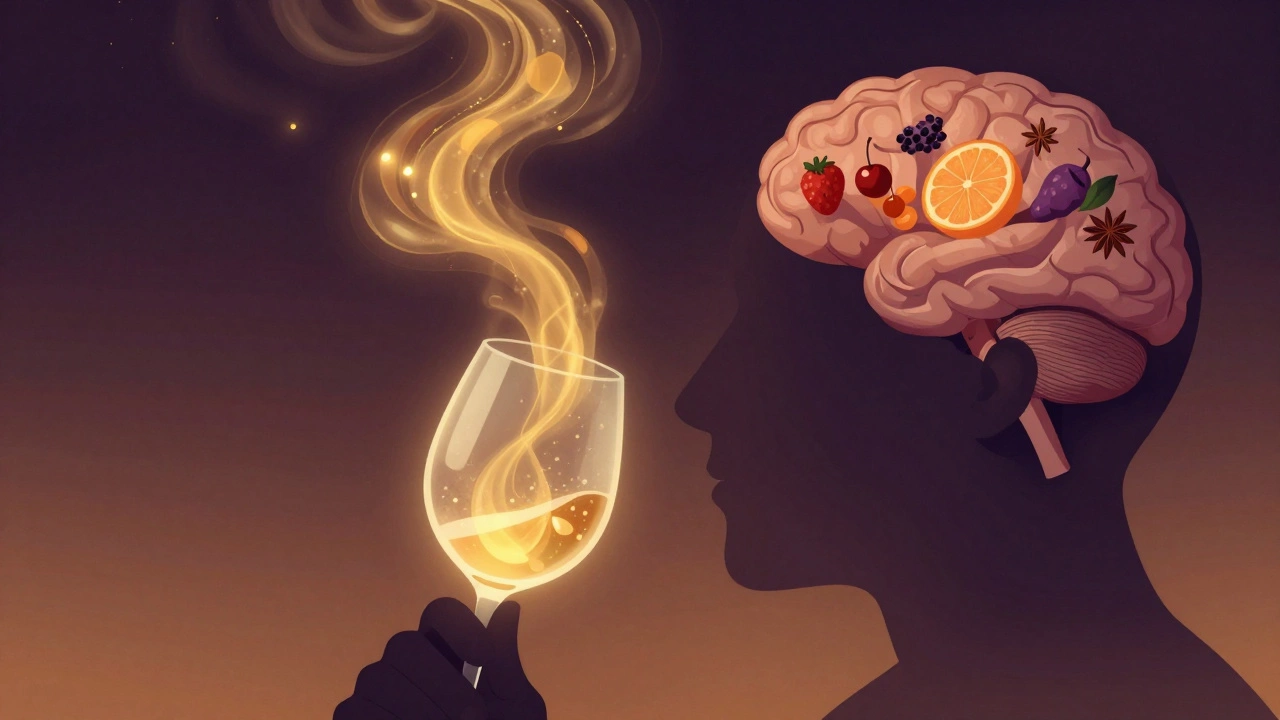
To understand the point of wine tasting, you first have to look at the biology. Your sense of smell is responsible for roughly 80% of what you perceive as flavor. When you eat food, aromas travel retronasally-up the back of your throat-to your olfactory bulb. Wine works the same way, but because it’s a liquid, those aromas are trapped until you release them.
This is where the famous swirl comes in. It’s not just theater. Swirling introduces oxygen to the wine, which helps volatile aromatic compounds escape. Think of it like opening a window in a stuffy room. Without that movement, the aromas stay locked in the liquid, and you only taste basic sweetness, acidity, and bitterness. By swirling, you unlock the complex scents of fruit, spice, oak, and earth that make one Cabernet Sauvignon distinct from another.
When you learn to identify these scents, you stop guessing. You start recognizing patterns. You realize that a 'green' taste in your Pinot Noir actually means underripe grapes, while a 'jammy' profile suggests high sugar levels during harvest. This knowledge empowers you to make choices based on what you genuinely enjoy, rather than following trends or price tags.
The Five Steps of Structured Tasting
You don’t need to be a certified sommelier to taste effectively. You just need a method. Professional wine evaluators use a structured approach to ensure they cover all aspects of the wine without getting overwhelmed. Here is how you can do it too:
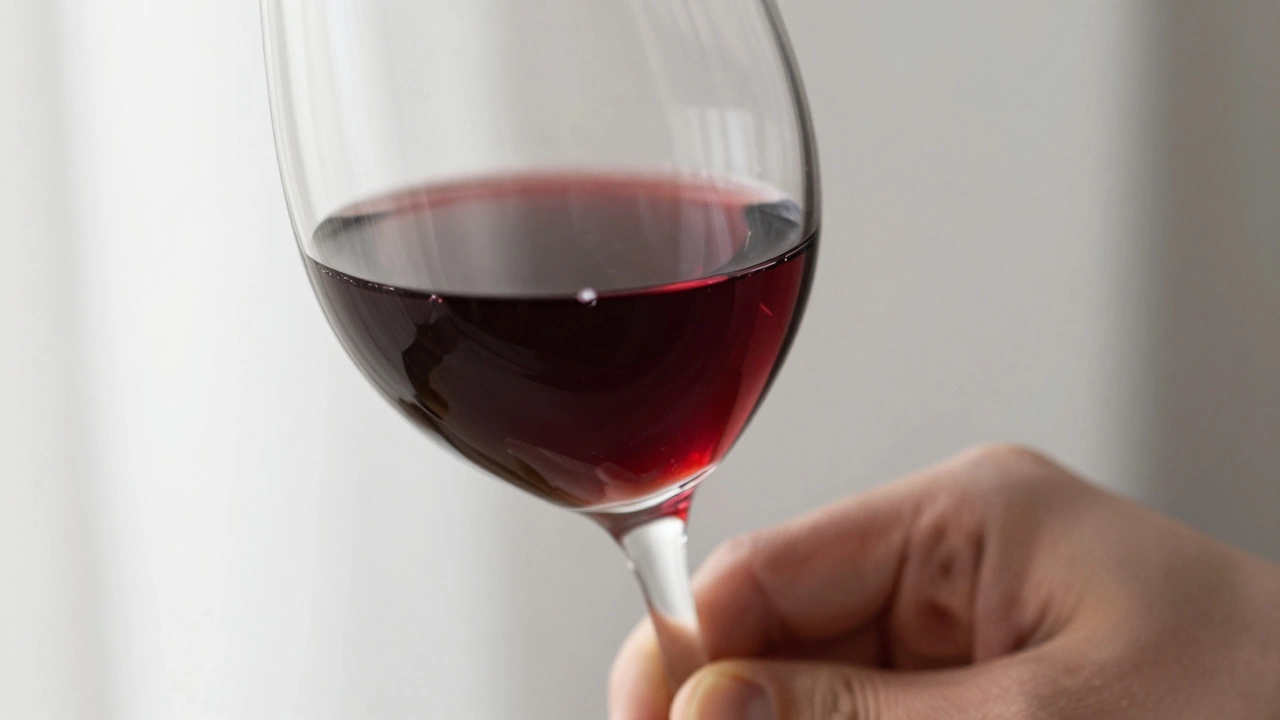
- Look: Hold the glass against a white background. Check the color intensity and clarity. Pale yellow might indicate a young white wine, while amber hues suggest oxidation or age. In reds, a brick-rim often points to older vintages.
- Smell (Static): Before swirling, take a quick sniff. This captures the most delicate, volatile aromas. You might catch hints of fresh flowers or green herbs here.
- Smell (Dynamic): Now, swirl vigorously. Take deep breaths. Identify the core fruit character (blackberry vs. strawberry) and any non-fruit elements (vanilla, tobacco, wet stone).
- Taste: Take a moderate sip. Let it coat your whole mouth. Don’t swallow immediately. Ask yourself: Is it dry or sweet? Is the acid sharp like lemon juice or soft like apple cider? Are the tannins grippy like strong tea or smooth?
- Analyze: Consider the finish. How long does the flavor last after you swallow? A short finish usually indicates a simpler wine, while a long, lingering finish suggests higher quality and complexity.
Practicing these steps trains your brain to create associations. The next time you smell a hint of pencil lead, you’ll know it’s likely a Nebbiolo or an aged Pinot Noir. These connections build confidence and make the experience far more engaging.
Why Context Matters: Terroir and Technique
One of the biggest misconceptions about wine tasting is that it’s subjective. While personal preference plays a role, professional tasting aims for objectivity. We try to determine if the wine accurately reflects its origin. This concept is known as Terroir, a French term encompassing the unique combination of soil, climate, topography, and human tradition that gives a wine its distinctive character.
For example, Chardonnay grown in cool climates like Burgundy, France, tends to have higher acidity and flavors of green apple and citrus. The same grape grown in warm California will likely taste like ripe peach, tropical fruit, and butter due to oak aging. By tasting side-by-side, you can see how environment shapes the final product. This is why vertical tastings (same vineyard, different years) and horizontal tastings (different vineyards, same year) are so valuable. They highlight the impact of weather variations and farming decisions.
| Attribute | Cool Climate (e.g., Burgundy) | Warm Climate (e.g., Napa Valley) |
|---|---|---|
| Acidity | High, crisp, refreshing | Lower, softer, rounder |
| Fruit Profile | Citrus, green apple, tart cherry | Peach, plum, jammy blackberry |
| Alcohol Content | Lower (12-13%) | Higher (14-15%+) |
| Tannin Structure | Firm, fine-grained | Ripe, plush, sometimes aggressive |
Understanding these differences helps you predict what you’ll like. If you prefer bright, zesty wines, you’ll naturally gravitate toward cooler regions. If you love bold, heavy-bodied drinks, warmer climates will serve you better. Tasting teaches you to read the map of global viticulture.
The Social and Economic Value
Beyond the sensory science, wine tasting has significant social and economic value. For consumers, it saves money. Once you know what you like, you stop buying expensive bottles just because they have fancy labels. You learn to spot value wines that offer similar characteristics to their pricier counterparts. You might discover that a lesser-known region in Portugal offers the same slate-driven minerality as a famous French wine, but at half the cost.
For the industry, tasting is the quality control mechanism. Winemakers taste their products daily to decide when to harvest, when to stop fermentation, and when to bottle. A slight off-flavor detected early can save thousands of dollars in production costs. In restaurants, sommeliers use tasting skills to pair wines with food, enhancing the dining experience and increasing sales.
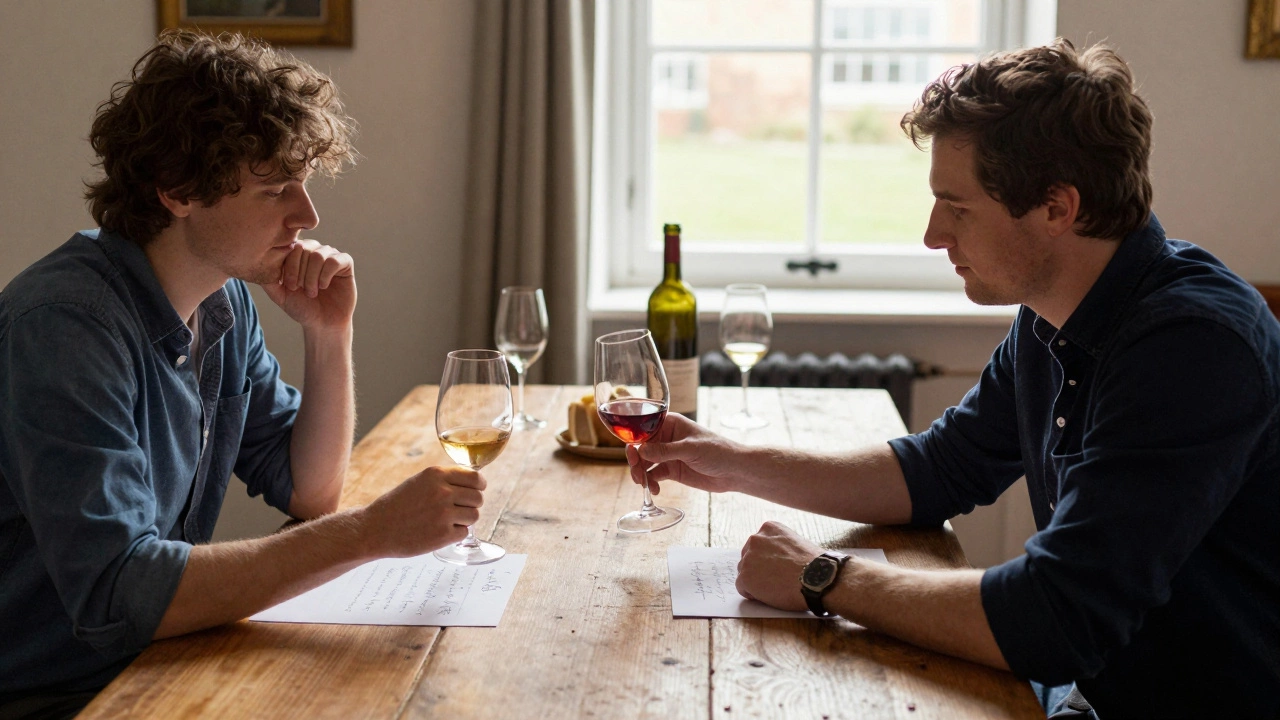
On a personal level, sharing a tasting experience creates connection. Discussing nuances with friends or colleagues sparks conversation. It’s a shared activity that encourages mindfulness. In a world of constant digital noise, stopping to really focus on the taste and smell of a single glass forces you to slow down and be present.
Common Pitfalls to Avoid
If you’re starting out, there are a few traps to watch for. First, avoid palate fatigue. Tasting more than five or six wines in a session numbs your senses. Stick to small sips and spit if you’re evaluating many wines. Spitting doesn’t mean you don’t enjoy the wine; it means you respect the process and want to stay sharp for the next pour.
Second, don’t let price bias your perception. Studies show that when people know a wine is expensive, they rate it higher regardless of taste. Try blind tasting occasionally. Cover the labels and judge the wine solely on its merits. You’ll be surprised how often budget-friendly wines outperform luxury options in simple, honest enjoyment.
Finally, trust your own palate. Just because a critic says a wine smells like 'blue cheese' doesn’t mean you have to agree. If you smell blueberries, then you smell blueberries. Your goal is to articulate your experience, not to guess what the winemaker intended. Over time, your vocabulary will expand, and your perceptions will align more closely with standard descriptors, but your personal enjoyment remains the ultimate metric.
Do I need expensive equipment to start wine tasting?
No. You just need clear glassware that allows you to see the color and smell the aroma. A standard tulip-shaped glass works perfectly. Avoid plastic cups or colored glass, as they distort appearance and trap odors. You also need a neutral environment-no strong perfumes, smoke, or cooking smells nearby.
How long does it take to develop a trained palate?
It varies by individual, but consistent practice over three to six months yields noticeable improvement. Start by focusing on one variety at a time, like Chardonnay or Cabernet Sauvignon. Compare cheap, mid-range, and premium examples side-by-side. Use a tasting journal to record your observations. Repetition builds memory pathways in your brain.
Why do professionals spit during wine tasting?
Spitting prevents alcohol intoxication and palate fatigue. Alcohol dulls the senses, making it harder to detect subtle flaws or nuances in later samples. By spitting, tasters can evaluate dozens of wines in a day while maintaining peak sensory acuity. It is a standard professional practice, not a sign of dislike.
Can I improve my wine tasting skills alone at home?
Absolutely. Home tasting is excellent for relaxed learning. Buy two bottles of the same varietal from different regions or price points. Taste them simultaneously using the five-step method. Note the differences in body, acidity, and finish. Over time, you will build a mental library of reference points that guide future purchases.
What is the difference between flavor and aroma in wine?
Aroma refers to scents detected through the nose before tasting. Flavor is the combined sensation of taste (sweet, sour, salty, bitter, umami) and retronasal smell experienced while the wine is in the mouth. Most of what we call 'flavor' is actually smell. If you hold your nose while drinking wine, it will taste mostly flat and alcoholic.