How to Wine Taste for Beginners: A Simple Guide
Beginner's Wine Tasting Journal
Use this structured guide to break down your next glass of wine. Fill in the observations below to build your palate vocabulary.
Your Tasting Analysis
Flavor Vocabulary
Structure Summary
- Sweetness: -
- Acidity: -
- Tannin: -
- Body: -
Next Steps
You pour a glass of red. You swirl it. You sniff it. Then you take a sip and think, "It tastes like... wine." Sound familiar? Most beginners feel stuck because they lack the vocabulary to describe what’s happening on their palate. But here is the secret: wine tasting isn't about having a superhuman nose or memorizing every grape variety in France. It is a structured way of paying attention. If you can tell the difference between lemon juice and orange juice, you already have the tools you need. This guide breaks down the process into manageable steps so you can stop guessing and start understanding what you are drinking.
The Setup: What You Actually Need
Before you open that bottle, let's clear up the gear. You do not need expensive crystal glasses. In fact, standard water tumblers work surprisingly well if they have a slight taper at the top to trap aromas. The most important rule is cleanliness. Any residue from dishwasher soap or fabric softener will ruin your ability to smell the wine properly. Wash your glasses with hot water only, or use unscented soap and rinse thoroughly until no scent remains.
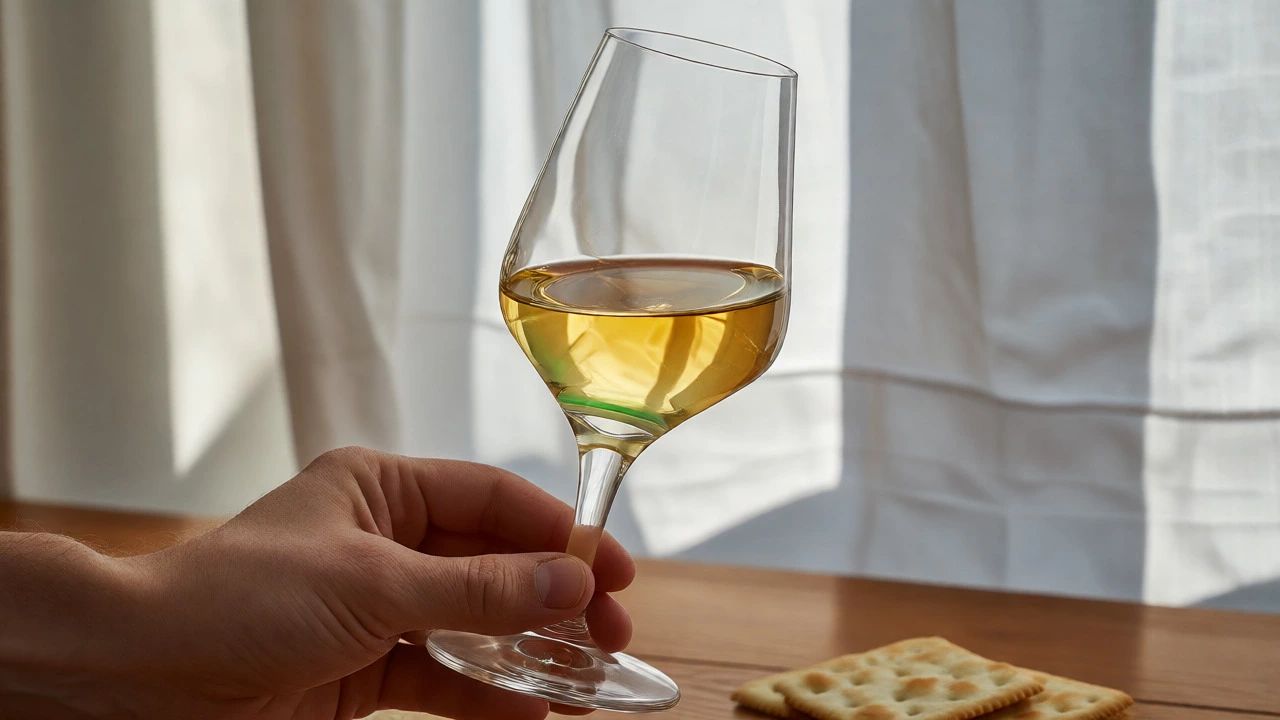
Lighting matters more than you might think. You need natural light or bright white light to see the true color of the wine. Yellow restaurant lighting hides amber hues in whites and brick tones in reds, which are critical clues about age and oxidation. Have a white napkin or paper towel ready to hold behind your glass. This gives you a neutral background to judge clarity and depth. Finally, keep some plain crackers or bread nearby. Your palate gets fatigued quickly, and neutral starches help reset your taste buds between pours.
Step One: Look Before You Leap
Your eyes give you the first set of data points. Tilt your glass against a white background. Don't just look at the center; focus on the rim, where the liquid meets the air. For white wines, a pale yellow or greenish tint usually indicates youth and high acidity, typical of Sauvignon Blanc or Pinot Grigio. As whites age, they turn deeper gold or even brown, signaling oxidation. For reds, young wines often show purple or ruby edges. Older reds fade toward brick orange or brown. This doesn't mean old wine is bad; it just means it has evolved.
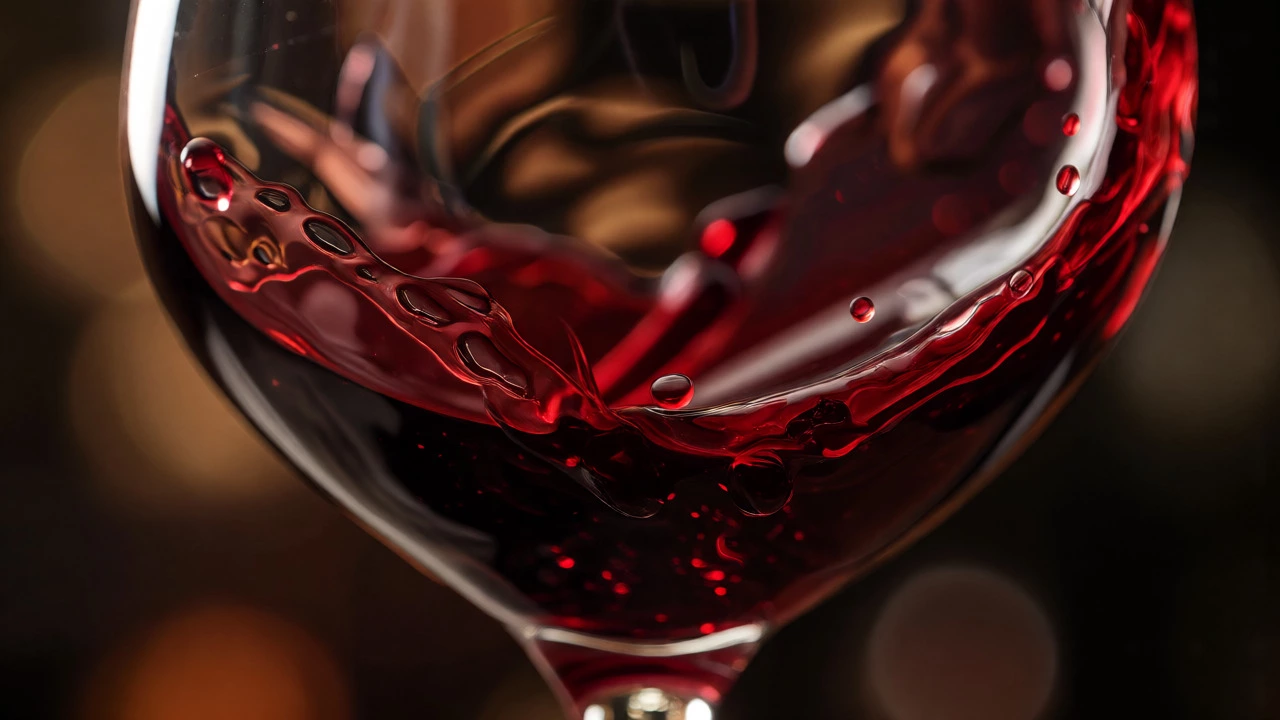
Swirl the glass gently. Watch the "legs" or "tears" run down the side. Thick, slow-moving legs suggest higher alcohol content or residual sugar. Fast, thin legs indicate a lighter body. While this isn't a perfect indicator of quality, it helps you calibrate your expectations. If you see thick legs, expect a richer, heavier mouthfeel. If the wine looks cloudy in a supposedly filtered wine, it might be unfiltered (which is fine) or spoiled (which is not).
Step Two: The Nose Knows Best
Smelling wine accounts for up to 80% of what you perceive as flavor. Your tongue detects sweet, sour, salty, bitter, and umami. Your nose detects everything else-fruit, earth, spice, smoke. To unlock these aromas, you need to aerate the wine. Swirl the glass vigorously for ten seconds. This releases volatile compounds. Now, put your nose deep into the glass. Take short, sharp sniffs. Long, deep breaths desensitize your olfactory receptors too quickly.
Don't worry about identifying specific fruits immediately. Start broad. Does it smell fruity? Floral? Earthy? Chemical? If it smells like wet dog or damp cardboard, that is cork taint, caused by a compound called TCA. It makes wine taste flat and dull. If it smells like vinegar or nail polish remover, the wine may have turned due to excessive heat or oxygen exposure. Once you confirm the wine is healthy, try to narrow it down. Is the fruit fresh (like cut apples) or cooked (like baked apples)? Fresh suggests cooler climates; cooked suggests warmer regions or oak aging.
Step Three: Sip and Swish
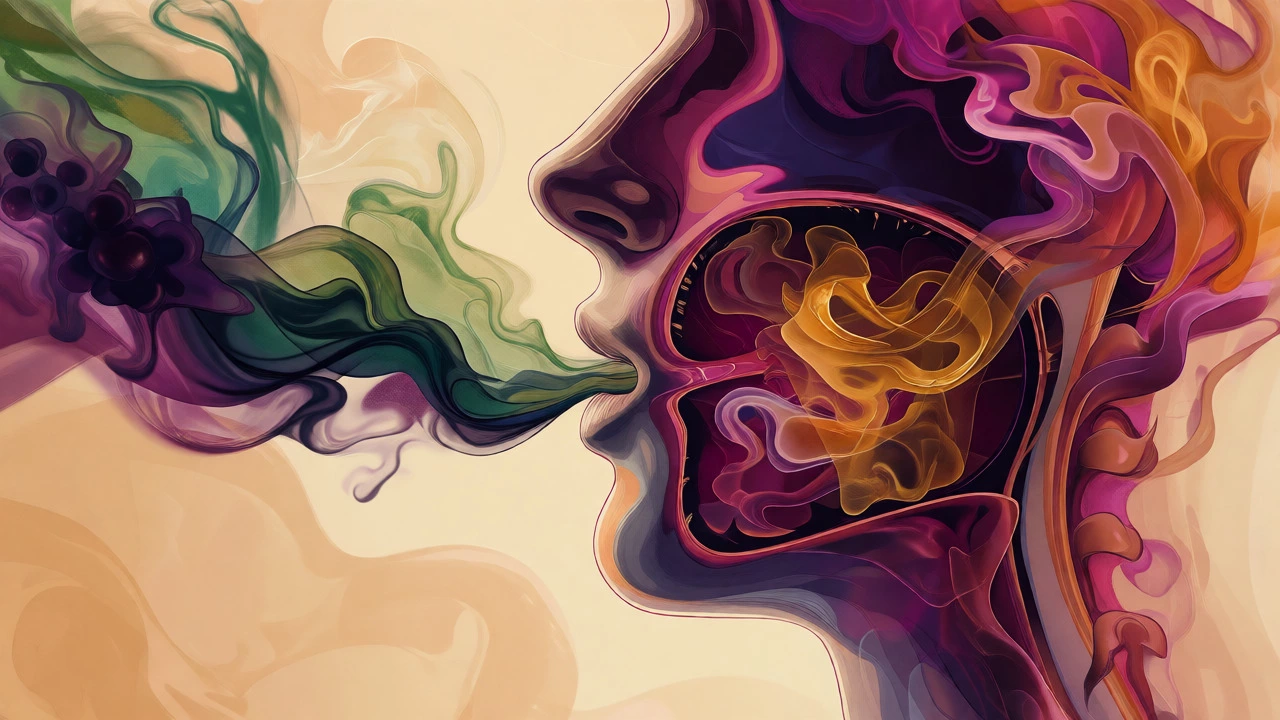
Take a small sip-about half a teaspoon. Do not swallow yet. Hold the wine in your mouth and draw in a little air through your lips. This technique, called "chewing," vaporizes aromatic compounds inside your mouth, sending them back to your nasal cavity. You will suddenly taste flavors you missed when simply sipping. Pay attention to three main components: sweetness, acidity, and tannin.
Sweetness hits the tip of your tongue. Acidity makes your mouth water, like biting into a lemon. Tannins create a drying, puckering sensation on your gums and cheeks, common in red wines made from grapes with thick skins like Cabernet Sauvignon. Balance is key. If one element dominates aggressively, the wine might feel disjointed. A good wine integrates these elements so no single component shouts over the others.
Decoding the Flavor Profile
Now that you have tasted the structure, let's talk about flavor. Beginners often struggle because they try to name exact fruits. Instead, use categories. Think in terms of fruit families: citrus (lemon, lime), stone fruit (peach, apricot), tropical (pineapple, mango), red berry (strawberry, raspberry), or dark fruit (blackberry, plum). Oak influence adds vanilla, coconut, toast, or baking spices. Malolactic fermentation turns sharp malic acid into softer lactic acid, giving Chardonnay its buttery texture.
Here is a quick reference to help you match sensations to descriptions:
| Sensation | Location on Palate | Likely Cause |
|---|---|---|
| Puckering/Drying | Gums and Cheeks | Tannins (Red Wines) |
| Mouth-Watering | Sides of Tongue | Acidity (Cool Climate Whites) |
| Creamy/Buttery | Coating Mouth | Malolactic Fermentation/Oak |
| Hot/Burning | Back of Throat | High Alcohol Content |
| Bitter Finish | Back of Tongue | Over-extraction or Age |
Putting It All Together: The Finish
After you swallow, wait. How long does the flavor last? This is called the finish or aftertaste. Short finishes (flavor disappears in seconds) often indicate lighter, everyday wines. Long finishes (flavor lingers for 15+ seconds) suggest complexity and concentration, often found in premium bottles. Does the finish leave a pleasant memory, or does it taste metallic or harsh? Trust your gut. If you don't like it, you don't like it. There is no wrong answer in personal preference, but there are objective flaws.
To practice, buy two bottles of the same grape variety from different price points. Taste them side-by-side. You will instantly notice differences in intensity, balance, and length. This comparative method teaches your brain faster than drinking random bottles alone. Keep a simple notebook. Write down three words for each wine. Over time, patterns emerge. You might discover you prefer high-acid whites over oaky ones, or that you dislike high-tannin reds. This self-knowledge saves money and enhances enjoyment.
Common Pitfalls to Avoid
One major mistake is serving wine at the wrong temperature. Red wine served too warm tastes alcoholic and flabby. Chill it slightly-about 15 minutes in the fridge-to bring out its fruit. White wine served too cold numbs your palate, hiding subtle flavors. Let it sit for 10 minutes before pouring. Another pitfall is assuming expensive equals better. Price correlates with production costs, not necessarily taste preference. Many fantastic wines cost under $20. Focus on what you enjoy, not the label.
Also, beware of palate fatigue. After tasting four or five wines, your sensitivity drops. Cleanse your palate with water and plain crackers between samples. If you are attending a tasting event, spit if necessary. You don't need to get drunk to learn. Professional sommeliers spit almost exclusively. This keeps their judgment sharp throughout the session.
Do I really need special wine glasses?
No, you do not need specialized Riedel glasses to start. A simple tulip-shaped glass that allows you to swirl without spilling is sufficient. The shape helps concentrate aromas, but any clean, stemless glass with a slight taper works for beginners. Avoid wide-brimmed mugs, as they allow aromas to escape too quickly.
Why does my wine taste like nothing?
This is often due to temperature or palate fatigue. If the wine is too cold, your taste buds cannot detect flavors effectively. Let it warm up slightly. Alternatively, if you have eaten strongly flavored food recently, your palate may be overwhelmed. Rinse your mouth with water and eat a plain cracker to reset before trying again.
Is swirling wine just for show?
Swirling serves a functional purpose. It increases the surface area of the wine exposed to air, releasing volatile aroma compounds. Without swirling, many subtle scents remain trapped in the liquid. However, you do not need to swirl violently. Gentle circular motions are enough to aerate the wine safely without spilling.
What is the difference between 'body' and 'weight'?
Body refers to the perceived weight of the wine in your mouth, similar to the difference between skim milk and whole milk. Light-bodied wines feel watery; full-bodied wines feel viscous and coating. Weight is a subjective term often used interchangeably with body, but it can also refer to the intensity of flavor. Generally, higher alcohol and sugar increase body.
How do I know if a wine is corked?
Corked wine has a distinct musty odor resembling wet cardboard, damp basement, or moldy newspaper. It suppresses fruit flavors, making the wine taste flat and dull regardless of its price. About 3-5% of all cork-sealed wines suffer from this issue, known as TCA contamination. If you suspect a wine is corked, ask for a replacement at restaurants; they will usually accommodate you.
Should I add food pairings while learning to taste?
For pure tasting practice, drink wine alone first to understand its inherent characteristics. Food changes how wine tastes-acid cuts through fat, tannins bind with protein. Once you know how a wine tastes solo, then experiment with pairings. This baseline helps you identify exactly how food alters the wine's profile.