How to Plan an Outdoor Activity: A Practical Guide for Success
Outdoor Activity Planner
Plan smarter, not harder. Enter your trip details below to get personalized recommendations for hydration, gear, and safety.
You’ve picked a date, grabbed your friends, and maybe even posted about it on Instagram. But have you actually planned the outdoor activity? Most people treat outdoor trips like a casual coffee run, only to realize halfway up a hill that they’re out of water, their phone is dead, and the weather has turned from sunny to stormy in ten minutes. Planning isn’t just about picking a spot; it’s about managing risk, logistics, and expectations so you can actually enjoy the experience.
Here’s the truth: nature doesn’t care if you forgot your map. Whether you’re heading into the Blue Mountains near Sydney or tackling a local coastal walk, the difference between a great day and a miserable one usually comes down to three things: checking conditions, packing smart, and having a backup plan. Let’s break down how to do this without overthinking it.
Start With Reality Checks, Not Just Maps
Before you even look at a trail map, check the weather. This sounds obvious, but most people look at the forecast for the city center, not the specific location they’re visiting. In Australia, microclimates are real. It might be 25°C in Sydney CBD but 15°C with high winds at the top of Mount Warning. Use apps like BOM (Bureau of Meteorology) Radar or Windy to see wind speeds and rain probability for the exact coordinates.
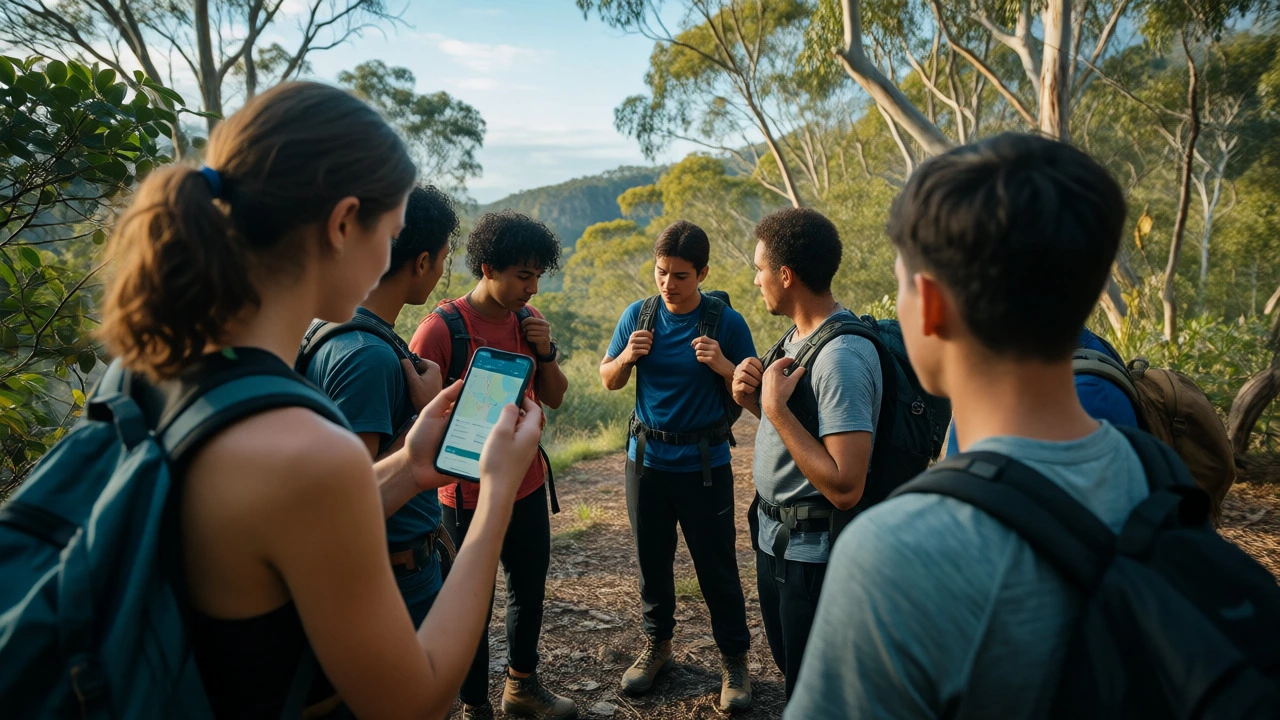
Next, assess your group’s fitness level honestly. If you’re inviting someone who hasn’t walked more than 5km recently, don’t pick a 15km steep ascent. Look for trails with clear elevation profiles. Apps like AllTrails or Strava provide elevation gain data-pay attention to it. A flat 10km walk is vastly different from a 10km hike with 500m of vertical gain. Match the difficulty to the least fit person in your group, not the fittest.
| Group Fitness | Recommended Distance | Elevation Gain | Terrain Type |
|---|---|---|---|
| Beginner / Family | 3-6 km | < 100 m | Paved, flat dirt |
| Moderate | 8-12 km | 100-400 m | Dirt, some rocks |
| Advanced | 15+ km | 400+ m | Rugged, technical |
Master the Art of Gear Packing
Packing light is good, but packing useless stuff is worse. You need a system. Think in layers: base layer (moisture-wicking), mid-layer (warmth), and outer shell (wind/rain protection). Cotton kills-literally. When cotton gets wet, it loses insulation and takes forever to dry. Stick to synthetic fabrics or merino wool.
For footwear, never wear brand-new boots on a long hike. Break them in during shorter walks first. Blister prevention starts with socks. Merino wool socks regulate temperature and wick moisture better than synthetics for multi-day comfort. For single-day trips, ensure your shoes have adequate grip for the terrain type you’ll encounter.
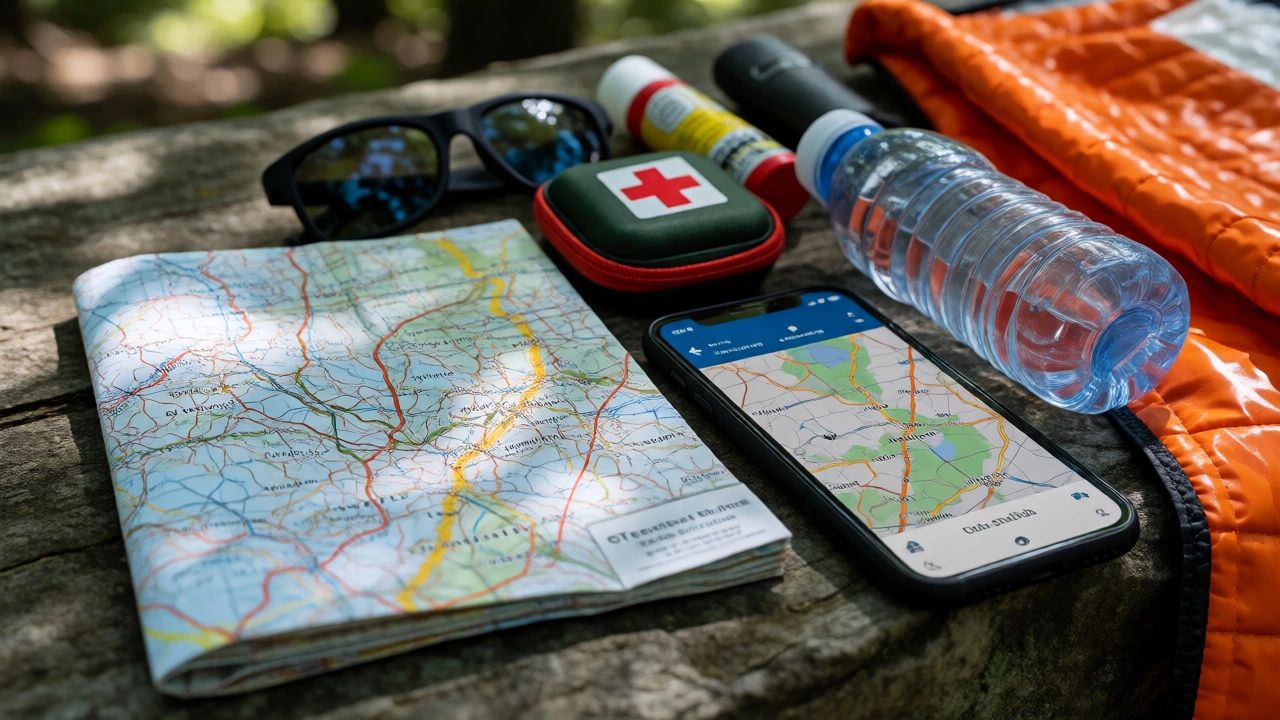
Your backpack should contain the "Ten Essentials," scaled down for day trips:
- Navigation: Phone with offline maps downloaded (plus a physical map as backup).
- Sun Protection: Sunglasses, sunscreen (SPF 50+), hat.
- Insulation: Extra clothing layer (even in summer, alpine areas get cold).
- Illumination: Headlamp with spare batteries (in case you’re delayed by dark).
- First Aid: Blister pads, antiseptic wipes, personal meds.
- Fire: Waterproof matches or lighter (for emergencies).
- Repair Kit: Duct tape, multi-tool.
- Nutrition: Extra food beyond what you think you need.
- Hydration: Water + purification method if sourcing from streams.
- Emergency Shelter: Lightweight emergency blanket.
Logistics: Transport, Permits, and Timing
Nothing ruins a vibe like circling a car park for an hour. Popular spots in NSW and Victoria fill up fast on weekends. Check if your destination requires a booking. Many national parks now use online systems for entry fees or camping permits. Paying $10 upfront saves you stress later.
Plan your arrival time strategically. Arriving early (before 9 AM) gives you parking options and cooler temperatures. If you’re doing a loop trail, start clockwise or counter-clockwise based on where the sun will be. Facing the sun makes photos hard; having it behind you is better. Also, factor in buffer time. If a trail says 4 hours, budget 5.5. Why? Because you’ll stop for photos, lunch, bathroom breaks, and maybe help someone else find their way.
Transportation matters too. If you’re driving, check road conditions. Gravel roads can be rough on low-clearance cars. If you’re using public transport, verify last train/bus times. Getting stranded after sunset in a rural area isn’t fun.
Safety Protocols That Actually Work
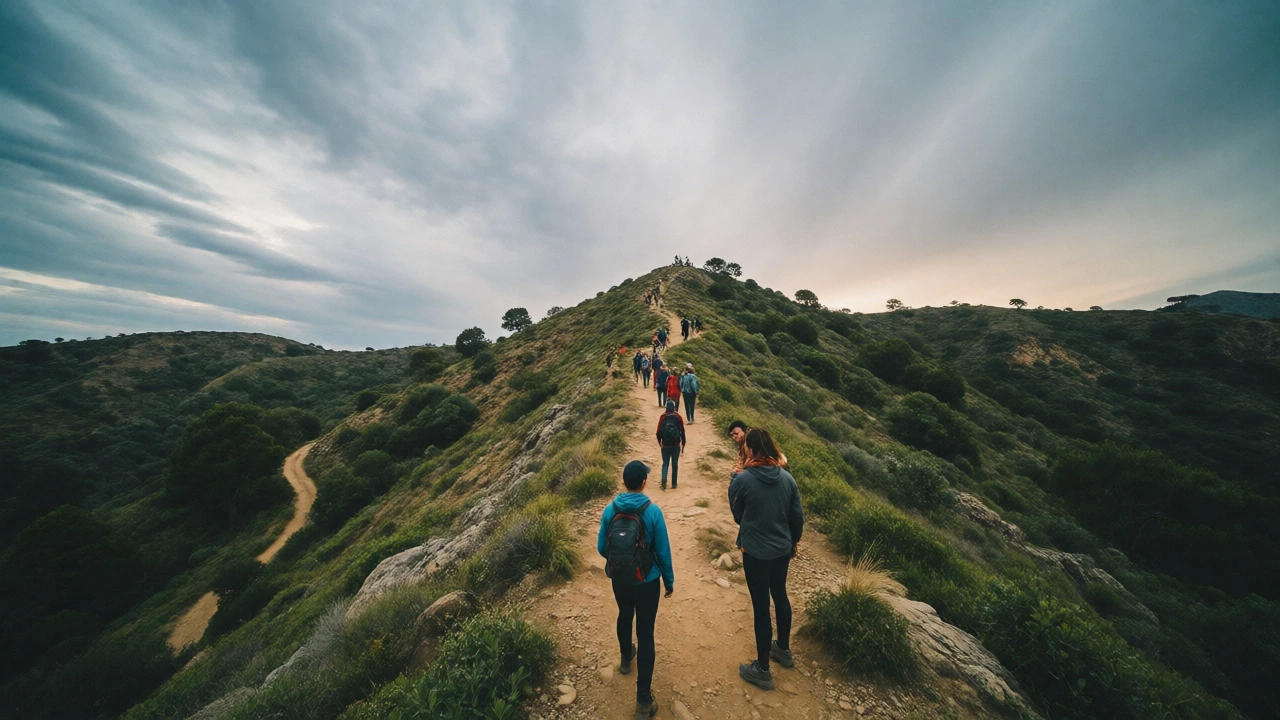
Tell someone your plans. Not just "I’m going hiking," but "I’m walking the Coast Track from Palm Beach to Elouera, starting at 8 AM, expecting to finish by 2 PM." Share your live location via iPhone Find My or Android Location Sharing. This isn’t paranoia; it’s basic insurance.
Know the signs of heat exhaustion and hypothermia. Heat exhaustion hits when core temp rises: dizziness, nausea, headache. Cool down immediately. Hypothermia can happen in 10°C rain if you’re wet and windy: shivering, confusion, slurred speech. Add layers, eat sugar, get out of wind.
Respect wildlife rules. In Australia, keep 3 meters from kangaroos, 1 meter from koalas. Don’t feed birds-they become aggressive and dependent. Leave no trace: pack out all trash, including biodegradable items like apple cores which take months to decompose in certain soils.
Creating a Flexible Itinerary
Have a Plan A, Plan B, and Plan C. Plan A is your ideal route. Plan B is a shorter version if weather turns bad or energy dips. Plan C is a nearby café or scenic viewpoint if the trail is closed due to fire danger or flooding.
Check local alerts. Fire bans change daily in bushfire season. Some trails close completely on Total Fire Ban days. Flood warnings can make creek crossings dangerous. Subscribe to local council newsletters or follow park rangers on social media for real-time updates.
Finally, build in rest. An itinerary packed back-to-back with activities leaves no room for spontaneity. The best moments often happen when you sit still and watch a bird or listen to the wind. Give yourself permission to pause.
What is the most common mistake people make when planning outdoor activities?
Underestimating weather changes and overestimating fitness levels. People often check the city forecast instead of the mountain/coastal forecast and choose trails that are too difficult for their current conditioning, leading to fatigue and safety risks.
Do I need special gear for short walks?
Not necessarily expensive gear, but appropriate clothing is key. Avoid cotton, wear broken-in shoes, and always carry extra water and a light jacket. Even a 2km walk can turn into a rescue situation if you’re unprepared for sudden rain or injury.
How much water should I bring for a 5km hike?
A general rule is 500ml per hour of activity in moderate temperatures. For a 5km hike taking roughly 1.5-2 hours, bring at least 1 liter. In hot Australian summers, double this amount and consider electrolyte tablets to replace salts lost through sweat.
What apps are best for planning outdoor routes?
AllTrails and Komoot are excellent for finding routes and reading reviews. For navigation, Gaia GPS offers detailed topo maps. Always download maps for offline use before leaving cell coverage areas, as service can be spotty in remote regions.
Is it safe to go solo outdoors?
Yes, if you prepare properly. Tell someone your exact route and expected return time, carry a charged phone with emergency contacts saved, and stick to well-marked trails. Solo hikers should avoid risky terrain like loose scree or river crossings during high flow.