
What is a Safe Age for VR? A Parent’s Guide to Kids and Virtual Reality
VR Safety Age Checker
Enter your child's details below to get personalized recommendations regarding VR usage, session limits, and potential risks.
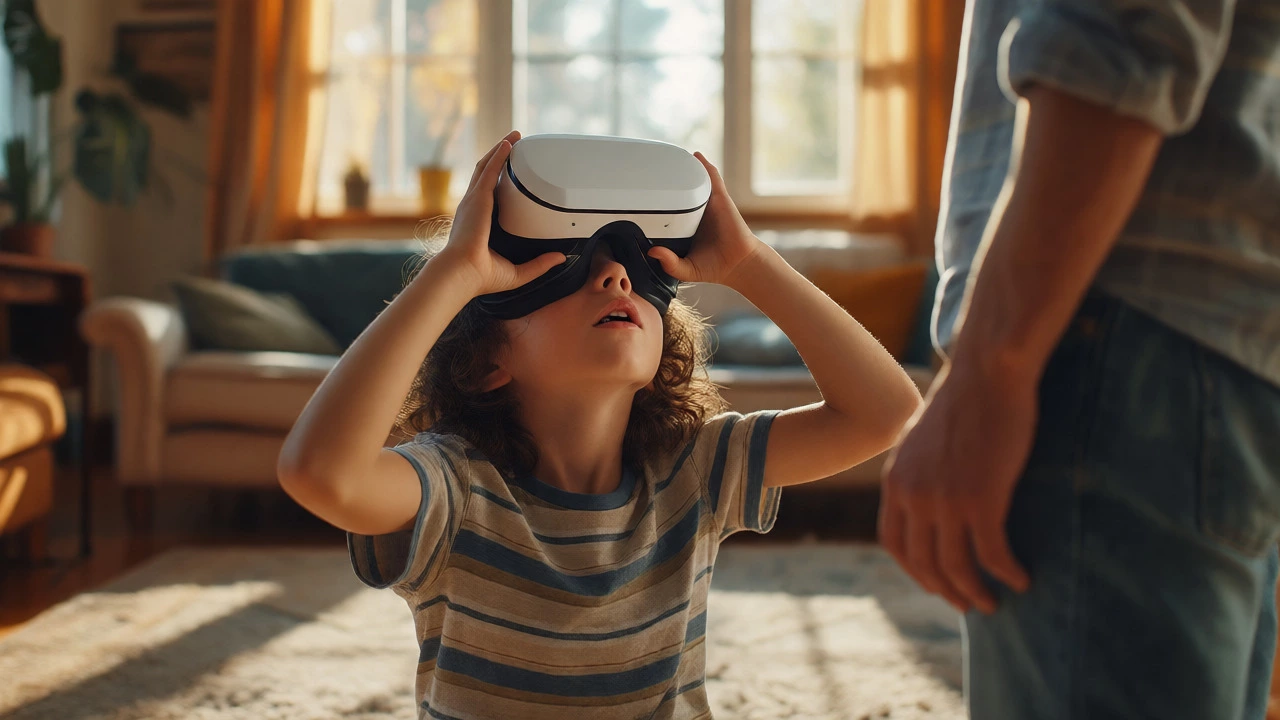
You’re standing in your living room, watching your seven-year-old try on a shiny new Meta Quest 3 or maybe a PlayStation VR2. They look thrilled. But you’re hesitating. You’ve heard whispers about eye strain, motion sickness, and weird behavioral changes. So, what’s the actual deal? Is there a safe age for VR?
The short answer isn’t a single number like "13" or "6." It’s messy, complicated, and depends heavily on which headset you own and how long they wear it. Manufacturers have strict guidelines, but real-world usage often differs. Let’s cut through the marketing fluff and look at what science, manufacturers, and pediatric optometrists actually say about letting kids into the virtual world.
What Do Manufacturers Actually Say?
If you read the fine print on any major headset box, you’ll see a minimum age requirement. This isn’t just legal liability; it’s based on hardware limitations and safety data. Most mainstream consumer headsets list a minimum age of 10, 12, or 13 years old.
Here’s the breakdown for the big players as of 2026:
| Headset Model | Recommended Min Age | Primary Reason |
|---|---|---|
| Meta Quest 3 / 3S | 10+ (with parental supervision) | IPD adjustment range fits smaller faces; software controls available. |
| PlayStation VR2 | 12+ | Ergonomics designed for adult heads; higher weight. |
| Apple Vision Pro | 13+ | Complex interface; expensive risk factor; eye-tracking calibration needs focus. |
| HTC Vive Focus | 13+ | Enterprise-grade device; not optimized for child ergonomics. |
Notice the shift with Meta Quest? Earlier models were strictly 13+. The newer devices allow parents to create supervised accounts for kids aged 10-12. This change acknowledges that technology has evolved, but it also shifts the burden of safety onto you, the parent.
The Real Risks: Eyes, Brains, and Balance
Why do companies set these ages? It’s not arbitrary. There are three main physiological concerns when developing bodies interact with virtual reality.
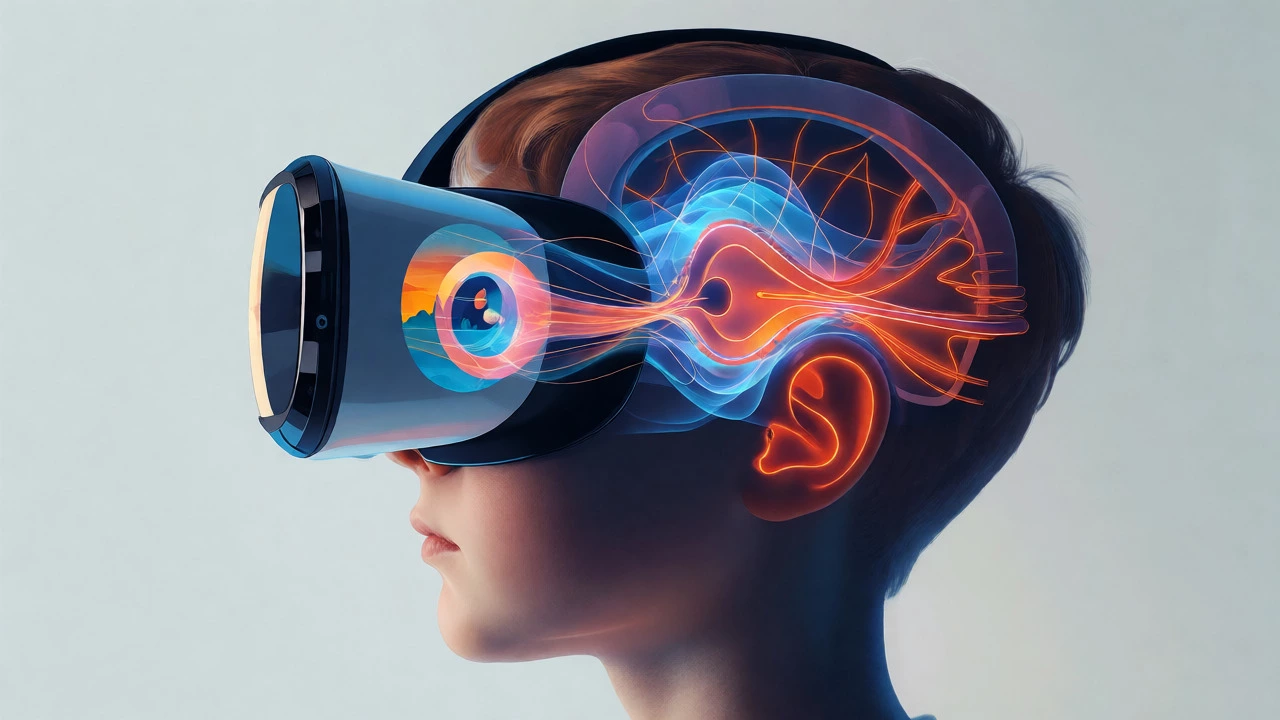
First, let’s talk about vision. Your eyes work by focusing on objects at different distances. In VR, the screen is always two inches from your face, but the lenses trick your brain into thinking objects are far away. This creates a conflict called the "vergence-accommodation mismatch." For adults, this causes fatigue. For children whose visual systems are still developing, some researchers worry it could contribute to myopia (nearsightedness) or disrupt binocular vision development. While long-term studies are still catching up, pediatric optometrists generally advise caution under age 10.
Second, there’s the vestibular system-your inner ear balance mechanism. When you move in VR, your eyes say you’re moving, but your inner ear says you’re sitting still. This disconnect causes motion sickness, or "cybersickness." Children are notoriously more susceptible to motion sickness than adults. If your kid gets carsick easily, VR will likely make them feel worse, not better. Symptoms include nausea, sweating, and headaches, which can ruin the experience instantly.
Third, consider spatial awareness and physical safety. Kids are impulsive. They might lunge forward to grab a virtual apple and smash their forehead into a real coffee table. Or they might spin around and trip over a dog. Under age 10, many children lack the impulse control to stay within the "guardian boundary" of their play space.
Is There a "Safe" Age for Toddlers and Young Kids?
So, should you ban VR until high school? Not necessarily. Many parents use VR for educational apps or simple games for kids aged 5-8. If you choose to introduce VR early, follow these strict rules to minimize risk:
- Limit Session Length: Keep sessions under 15 minutes. Their brains and eyes tire faster than yours.
- Use Passive Experiences: Avoid games with rapid movement or teleportation. Stick to static environments like virtual museums or calm puzzle games.
- Monitor Comfort Closely: Ask specific questions. "Does your head hurt?" "Do you feel dizzy?" Don’t rely on them saying "I’m fine" because they want to keep playing.
- Adjust the IPD: Interpupillary Distance (IPD) is the distance between your pupils. Most headsets allow adjustment. If the IPD is wrong, the image blurs, causing severe strain. Ensure the lenses align perfectly with their eyes.
A practical tip: Try the headset yourself first. If you feel slight pressure on your cheeks or temples, imagine how it feels on a smaller, softer child’s face. Strap tightness matters. Too loose, and the image distorts; too tight, and it causes tension headaches.
Psychological Impact: Immersion and Content
Beyond the physical, there’s the psychological side. VR is incredibly immersive. Unlike a TV screen, where you know you’re watching a show, VR places you inside the scene. For young children, the line between virtual and reality can blur. Imagine a toddler who thinks a virtual dinosaur is real enough to be afraid of. That fear response is genuine, even if the threat isn’t.
Content ratings matter here. A game rated "E for Everyone" on a console might be terrifying in VR due to scale and proximity. Always preview content. Also, watch for signs of dissociation or "VR hangover," where kids seem spaced out or irritable after removing the headset. This usually fades quickly, but if it persists, take a longer break.
Practical Guidelines for Parents
If you decide to let your child use VR, treat it like screen time-with extra steps. Here’s a checklist to keep things safe:
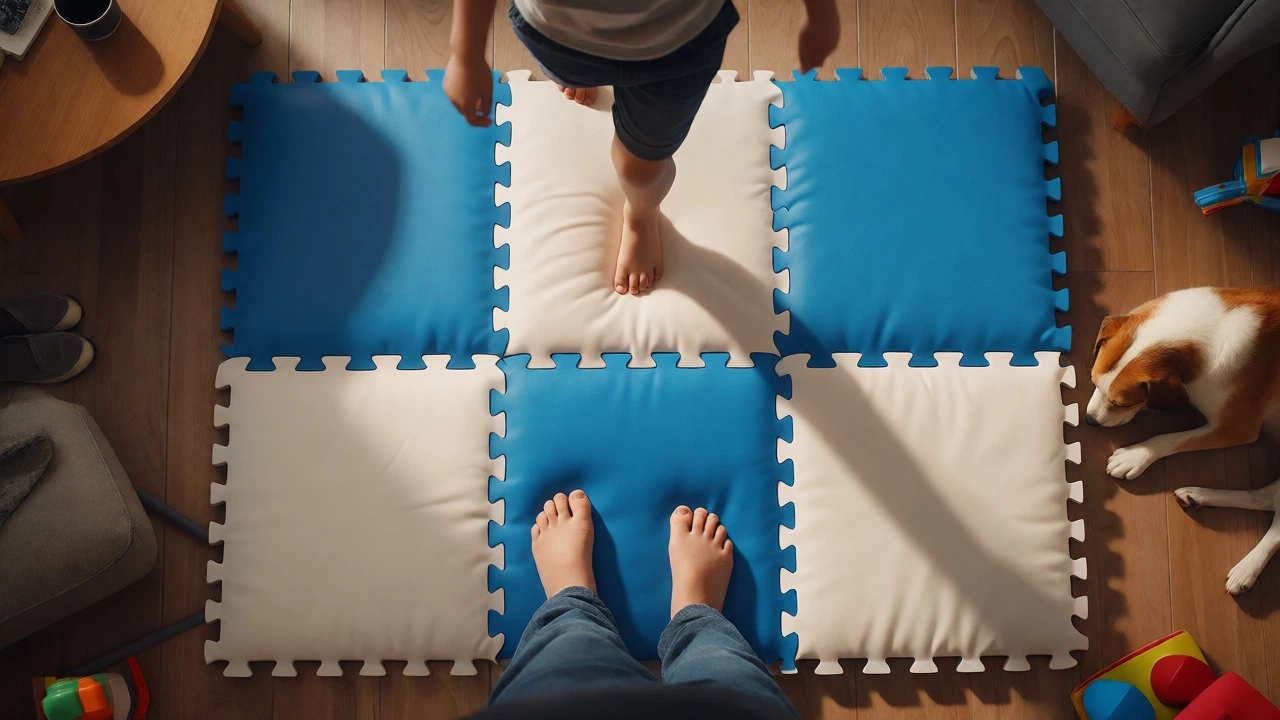
- Create a Play Space: Use the headset’s guardian system to define a clear area. Remove rugs, toys, and pets. Consider buying a padded floor mat.
- Set Time Limits: Use built-in parental controls. On Meta Quest, you can set daily caps and session timers. Aim for no more than 30 minutes per day for younger users.
- Hygiene Matters: VR headsets get sweaty. Buy disposable face covers or washable fabric liners. Clean the lenses regularly with microfiber cloths only-never paper towels, which scratch them.
- Supervise Actively: Don’t just sit nearby looking at your phone. Watch them. Are they stumbling? Are they reaching for things that aren’t there? Be ready to pause the game.
Remember, every child is different. Some 8-year-olds handle VR like pros; some 14-year-olds get nauseous immediately. Trust your observation skills over general age brackets.
Alternatives to Full VR for Younger Kids
If your child is too young for full immersion, don’t despair. There are middle-ground options. Augmented Reality (AR) apps on tablets or phones overlay digital objects onto the real world. This keeps them grounded in reality while offering interactive fun. Games like Minecraft Earth (or its successors) or AR scavenger hunts encourage physical movement without the sensory overload of a headset.
Another option is "flat mode" gaming. Many VR games offer a desktop version where you play with a controller on a TV. This lets them enjoy the story and mechanics without the headset. It’s a great way to gauge interest before investing in the full VR experience later.
Can VR damage a child's eyes permanently?
Current research suggests VR does not cause permanent structural damage to the eyes, such as retinal detachment. However, excessive use can lead to temporary symptoms like dry eyes, blurred vision, and eye strain. There is ongoing debate among optometrists about whether prolonged close-focus viewing contributes to myopia progression in children, so moderation is key.
Is the Meta Quest 3 suitable for an 8-year-old?
While Meta recommends 10+, many parents successfully use the Quest 3 with 8-year-olds. The key is using a supervised account, limiting playtime to 15-20 minutes, and ensuring the IPD settings fit their smaller face. Monitor closely for signs of discomfort or confusion.
Why does my child get dizzy in VR?
This is called cybersickness. It happens when your eyes see movement but your inner ear doesn't feel it. Children are more prone to this than adults. To help, choose games with stationary movement (teleportation instead of smooth locomotion), ensure the frame rate is stable, and start with very short sessions to build tolerance.
How often should kids clean their VR headsets?
Clean the facial interface after every few uses, especially if the child sweats. Use antibacterial wipes on the foam or silicone parts. Wipe the lenses gently with a dry microfiber cloth daily to remove dust and fingerprints. Never use alcohol-based cleaners on the lenses unless specified by the manufacturer, as it can damage coatings.
Are there health benefits to VR for kids?
Yes, when used correctly. Active VR games can provide cardio exercise comparable to moderate walking. Educational VR can enhance spatial reasoning and engagement in subjects like history or biology. It also offers social connection for kids who may struggle with traditional group activities, provided the interactions are positive and moderated.