
What Are the Different Types of Art Exhibitions?
Not all art exhibitions are the same. If you’ve ever walked into a gallery and felt confused about why one show felt like a quiet meditation and another felt like a wild, immersive experience-you’re not imagining it. The type of exhibition shapes everything: how the art is arranged, how you move through it, even how you feel when you leave. There are several common types of art exhibitions, each with its own purpose, structure, and energy.
Solo Exhibitions
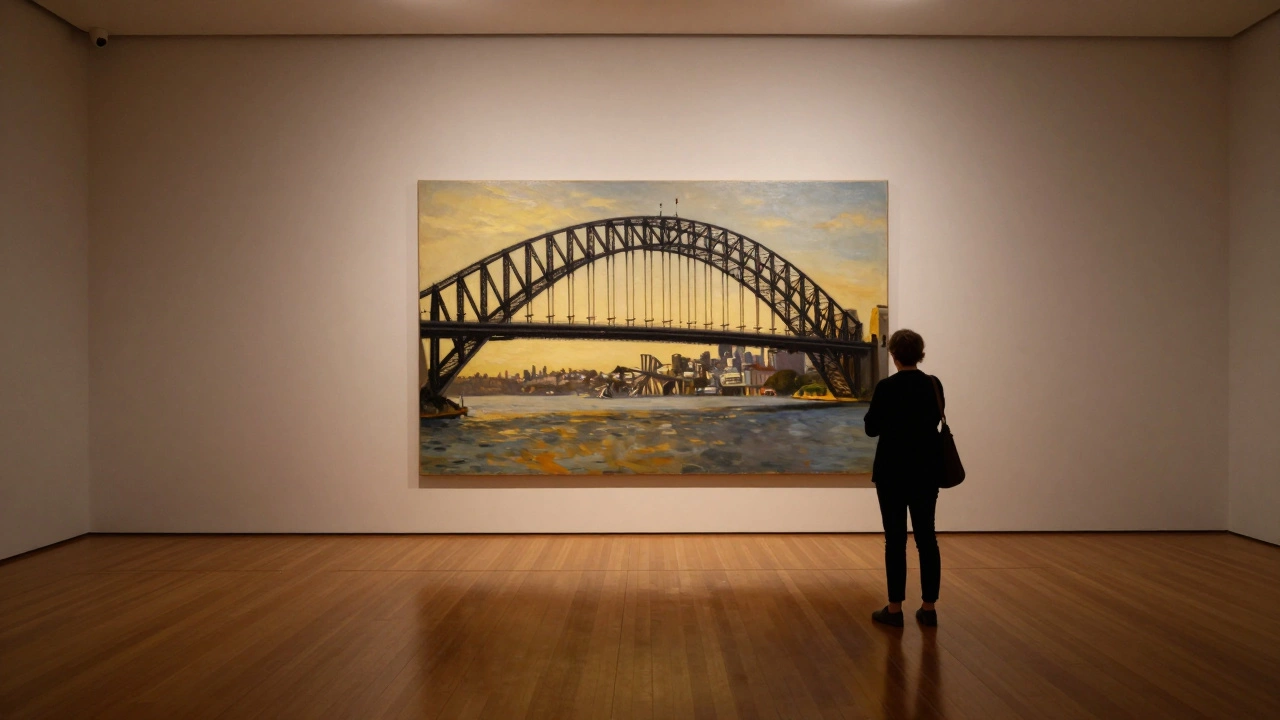
A solo exhibition focuses on the work of a single artist. This is the most intimate way to experience an artist’s vision. Galleries often use solo shows to build an artist’s reputation or to mark a milestone-like their first major gallery show, or a career anniversary. You’ll see a cohesive body of work, often created over a specific period, that reveals patterns in their style, themes, or materials. For example, a solo show might display 20 new paintings by a Sydney-based painter, all exploring the changing light over the Harbour Bridge. Unlike group shows, there’s no distraction. It’s just you and the artist’s voice.
Group Exhibitions
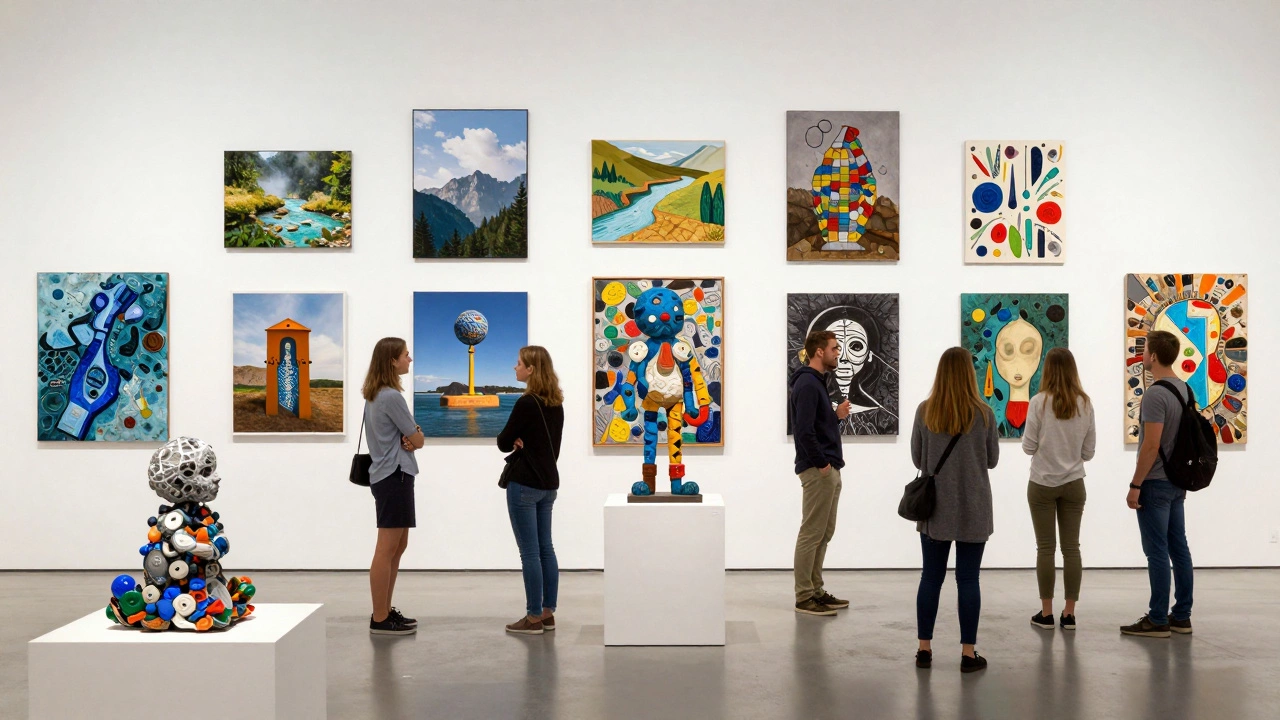
Group exhibitions bring together multiple artists, usually around a shared theme, idea, or medium. Think of it like a curated playlist: each artist contributes a track, and the whole show tells a bigger story. These are common in public galleries and art fairs. A group show might feature 12 artists working with recycled plastics to comment on climate change, or 8 photographers capturing life in suburban Melbourne. The power here is in the contrast. Seeing how different artists interpret the same theme can open up new ways of thinking. Group shows are also how emerging artists get noticed-curators often use them to spotlight new talent alongside established names.
Retrospectives
A retrospective is a deep dive into an artist’s entire career. It’s not just a collection of recent work-it’s a timeline. You might walk through 40 years of paintings, sculptures, sketches, and even personal notebooks. Major museums like the Art Gallery of New South Wales or the Museum of Modern Art in New York host retrospectives to honor influential artists. These shows often include early student pieces, famous breakthrough works, and rarely seen sketches. Retrospectives help you understand how an artist evolved. Seeing a young Frida Kahlo’s self-portrait next to her final, powerful works can be overwhelming. It’s history in motion.
Touring Exhibitions
Touring exhibitions start in one city and travel to others. They’re often organized by major institutions to share important collections beyond their walls. For example, a retrospective of Aboriginal bark paintings might begin in Darwin, then move to Brisbane, Melbourne, and finally Sydney. These shows are carefully planned for logistics-artworks need climate control, security, and transport that won’t damage them. Touring exhibitions let people in smaller cities experience art they’d never see otherwise. They also create national conversations. When a touring show on colonial-era Indigenous art opened in Adelaide, it sparked public debates about land rights and representation.
Installation Art Exhibitions
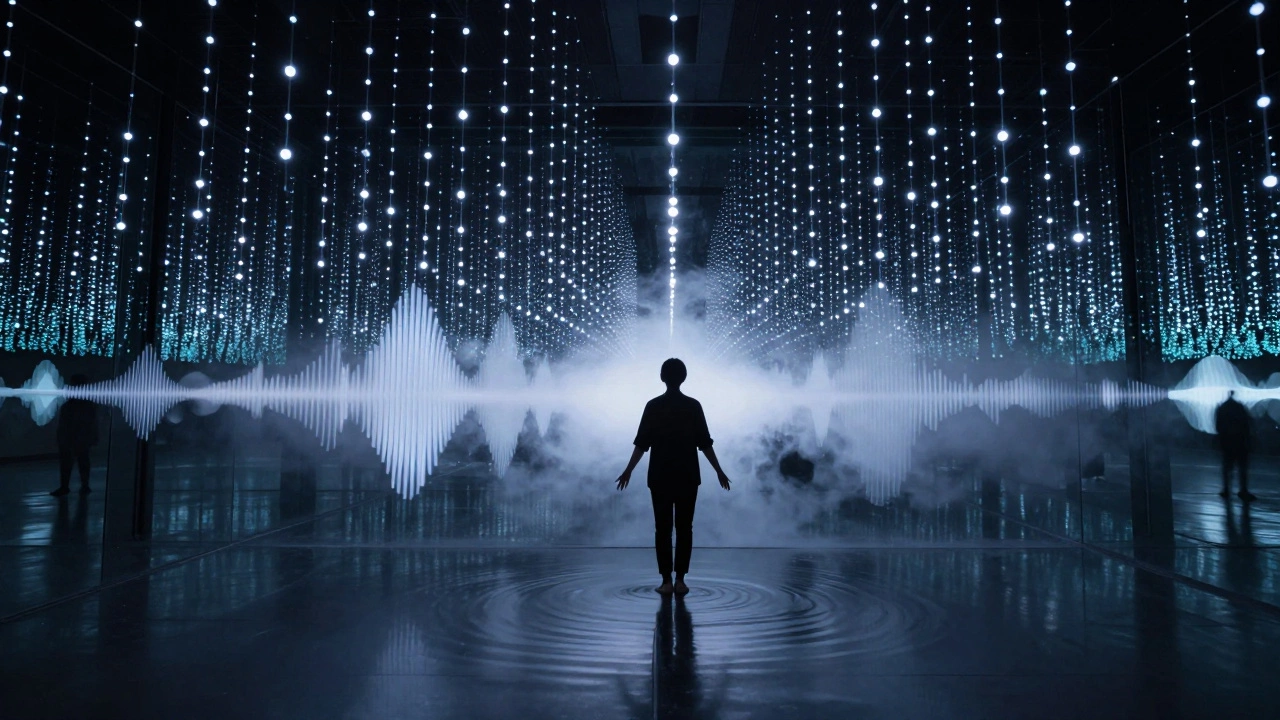
Installation art isn’t about hanging paintings on walls. It’s about transforming entire rooms into immersive environments. Think of walking into a space filled with hanging mirrors, projected light, soundscapes of rain, and scattered objects that you’re meant to touch or move through. These exhibitions often blur the line between art and experience. Artists like Yayoi Kusama and James Turrell are known for this. An installation might fill a warehouse with thousands of dangling balloons, or turn a dark room into a glowing infinity pool of light. You don’t just look at these works-you step inside them. They’re designed to change how you feel, not just what you see.
Thematic Exhibitions
Thematic exhibitions organize art around an idea, not an artist or medium. They’re common in contemporary galleries. Examples: "The Body in the Digital Age," "Grief and Memory in Post-War Art," or "Women Who Changed the Way We See Color." These shows pull pieces from different time periods and cultures to make a point. A thematic show on "Water as Symbol" might include a 17th-century Dutch still life, a 1980s video piece of a flood, and a 2024 sculpture made of recycled ocean plastic. The goal isn’t to showcase beauty-it’s to provoke thought. You leave with more questions than answers.
Permanent Collection Displays
Many museums rotate parts of their permanent collection. These aren’t temporary shows-they’re long-term displays of works the institution owns. But even these aren’t static. Curators rehang them every few years to highlight new research, changing perspectives, or new acquisitions. For example, a museum might display its collection of colonial-era Australian art next to contemporary Indigenous responses. This creates dialogue across time. Permanent displays are often the quietest exhibitions, but they’re the backbone of cultural memory. They answer the question: "What does this institution believe is important to remember?"
Pop-Up Exhibitions
Pop-up exhibitions are temporary, unexpected, and often in unusual places. You might find one in a disused shopfront, a library basement, or even a train station. These are low-cost, high-impact events, often organized by independent artists or small collectives. They thrive on surprise. A pop-up in Sydney’s Surry Hills last year turned a laundromat into a darkroom exhibit, with developing photos drying on clotheslines. Pop-ups are great for experimentation. They don’t need big budgets or official approval. That freedom lets artists take risks.
Online Exhibitions
Online exhibitions aren’t just photos of artworks on a website-they’re fully designed digital spaces. Some use 3D gallery environments you can walk through with your mouse. Others include audio guides, artist interviews, or interactive timelines. The National Gallery of Victoria launched a popular online exhibition in 2023 where viewers could zoom into brushstrokes of a Monet painting and see the underlying sketches. Online shows are accessible to anyone with internet access. They’re especially important for people who can’t travel, have mobility issues, or live far from major cities. They’re not a substitute for seeing art in person-but they’re a powerful way to expand access.
How to Choose What to See
Not every exhibition is meant for every person. If you want to deeply understand one artist’s journey, go for a solo show or retrospective. If you’re curious about current ideas in art, try a thematic or group exhibition. If you love immersive experiences, seek out installations. Pop-ups are perfect for spontaneity. Online shows are ideal for quiet exploration at home. The type of exhibition tells you what kind of experience you’re signing up for. Pay attention to the title and description-words like "exploring," "reflecting," or "immersive" are clues.
Why It Matters
Art exhibitions aren’t just displays. They’re conversations. Each type invites you to engage differently-with history, with ideas, with your own emotions. Knowing the difference helps you choose what to see, what to spend time with, and what to walk away thinking about. Whether it’s a quiet solo show in a small gallery or a booming installation that fills a whole building, the right exhibition can change how you see the world.