How to Stay Calm and Solve Puzzles in an Escape Room
Escape Room Calm & Strategy Simulator
Test your ability to stay calm under pressure. You have 60 minutes on the clock, but this simulation focuses on decision-making speed and accuracy.
Simulation Complete!
Your final score reflects how well you managed stress and solved puzzles efficiently.
Tip: Remember, panic shuts down logic. Breathe, assess, and act.
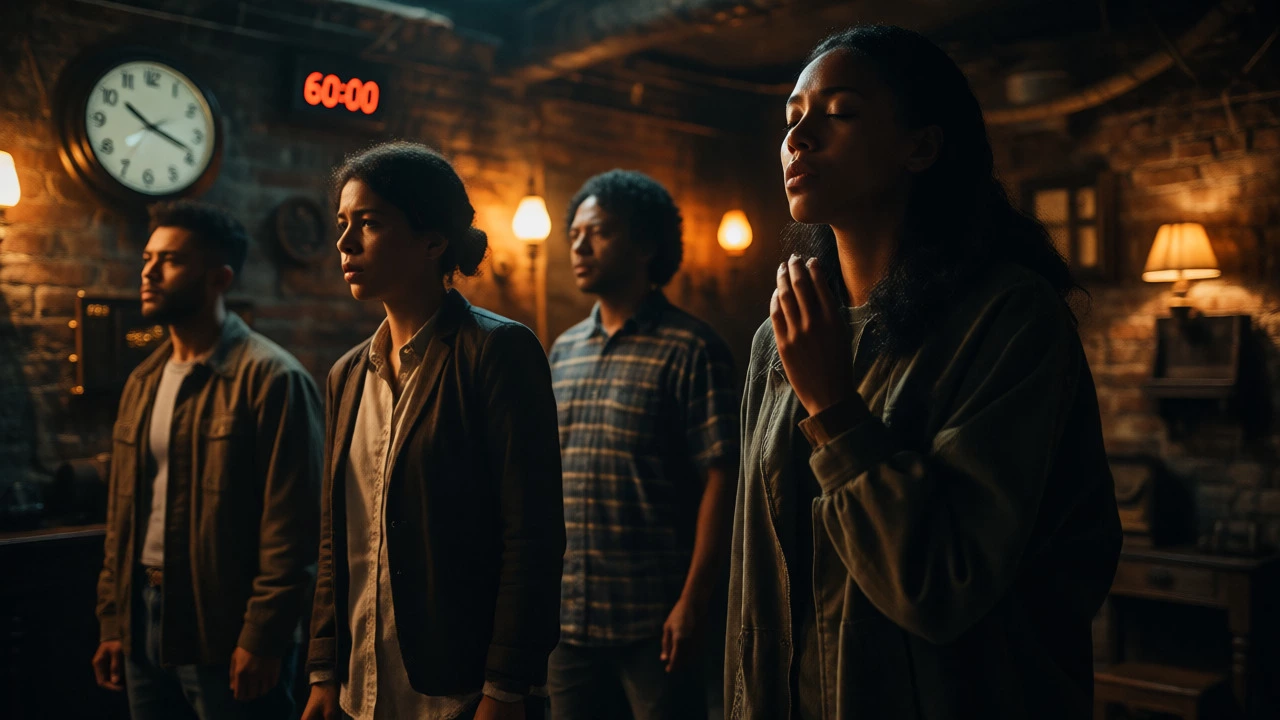
You’ve just been locked in a dimly lit basement. The clock starts ticking: 60 minutes on the wall, zero clues in your hands, and three strangers staring at you waiting for a plan. Your heart rate spikes. This is the classic Escape Room immersive adventure game where players solve puzzles to unlock doors and progress through themed rooms panic moment. It’s normal. In fact, if you aren’t slightly nervous, you’re probably not engaged enough. But there is a massive difference between healthy adrenaline and paralyzing fear. The goal isn’t to eliminate stress entirely; it’s to manage it so your brain can actually work.
Most people fail escape rooms not because they lack intelligence, but because they let anxiety hijack their cognitive function. When you panic, your prefrontal cortex-the part of your brain responsible for logic and planning-shuts down, leaving you with only fight-or-flight instincts. You end up shouting, grabbing random objects, or freezing completely. To win, you need to trick your brain into thinking this is a fun problem, not a life-threatening situation. Here is how you keep your cool and actually get out before time runs out.
The First Five Minutes Set the Tone
The biggest mistake teams make is rushing in blindly. They see a door, they see a lock, and they immediately start pulling handles or typing codes. Stop. Take ten seconds. Look around the room systematically. This initial scan reduces uncertainty, which is the primary fuel for anxiety. Uncertainty feels dangerous; clarity feels manageable.
Start by assigning roles based on what you see. Is there a lot of text? That’s for the reader. Are there physical locks and keys? That’s for the tactile solver. Is there a complex digital interface? Hand that to the tech-savvy member. By defining these roles early, you create structure. Structure kills chaos. If you are the leader, don’t dictate every move. Instead, ask, "What do we have here?" rather than "Go look over there." Open questions invite participation and reduce the pressure on any single individual to be the hero.
Communication is your lifeline. Establish a rule right away: speak clearly and loudly enough for everyone to hear. If you find a clue, announce it. Don’t whisper. Don’t assume others saw it. A simple phrase like "I found a blue key under the rug" prevents two people from searching the same spot while ignoring the obvious clue on the table. This shared awareness creates a sense of collective control, which directly counters feelings of helplessness.
Managing the Physical Symptoms of Stress
Your body reacts to stress before your mind does. Your palms sweat, your breathing gets shallow, and your vision might narrow (tunnel vision). These are biological responses, not signs of failure. Acknowledge them without judgment. If you feel your chest tightening, pause for five seconds. Take one deep breath in through your nose, hold it for two, and exhale slowly through your mouth. This triggers the parasympathetic nervous system, telling your body you are safe.
It sounds trivial, but hydration matters. Many players arrive dehydrated after commuting or having drinks beforehand. Dehydration increases cortisol levels and impairs concentration. Keep a water bottle nearby if allowed. Also, avoid excessive caffeine right before playing. Caffeine amplifies the jittery feeling that mimics panic. If you are prone to high anxiety, skip the double espresso and stick to water or herbal tea.
Another physical hack is grounding. If you feel overwhelmed by the darkness or the ticking clock, touch something solid. Run your hand along the texture of a bookshelf or the cold metal of a prop. Engaging your sense of touch pulls you out of your head and back into the present moment. It reminds you that you are physically safe in a controlled environment, even if the narrative suggests otherwise.
Strategic Puzzle Solving Reduces Mental Load
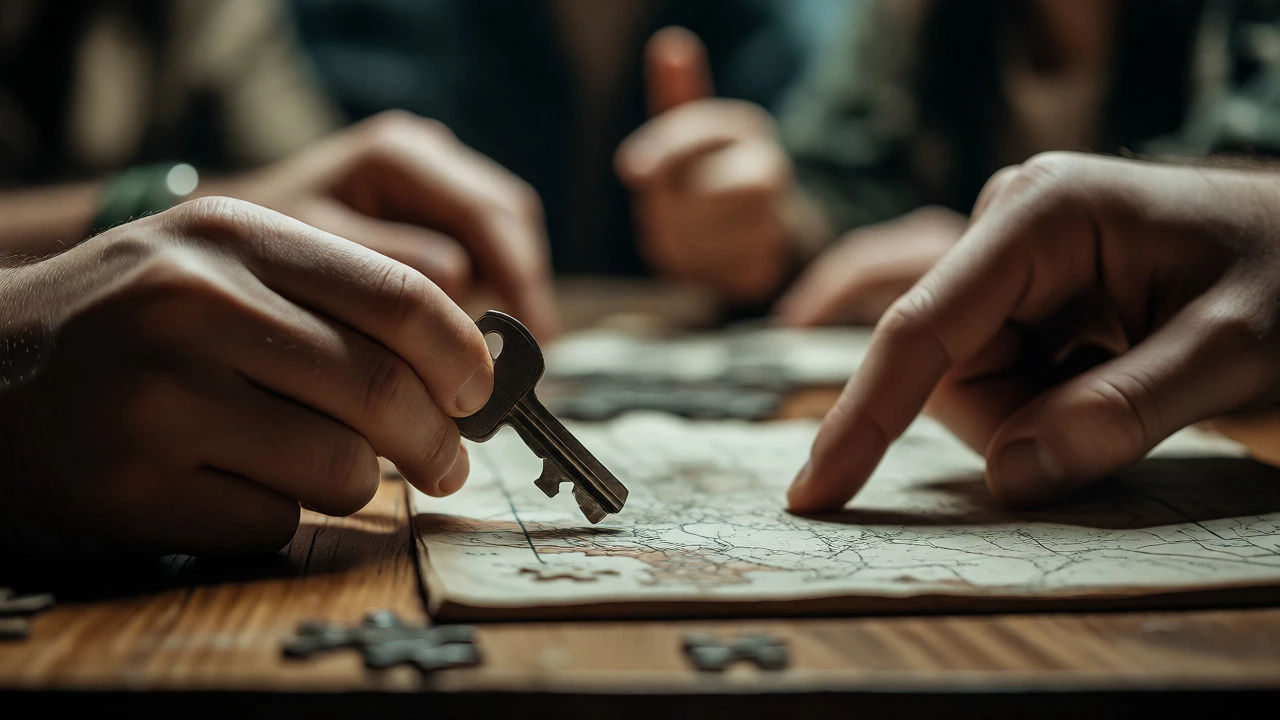
Panic often stems from feeling stuck. When you hit a wall, the clock seems to speed up. To prevent this, adopt a systematic approach to puzzles. Do not try to solve everything at once. Break the room into zones. Zone A is the desk, Zone B is the cabinet, Zone C is the wall art. Assign pairs to each zone for the first fifteen minutes. This division of labor ensures comprehensive coverage and prevents overlapping efforts.
When you encounter a difficult puzzle, apply the "Two-Minute Rule." If you haven’t made progress in two minutes, step away. Move to another area. Staring at the same object while frustrated leads to cognitive tunneling, where you miss obvious details because you are fixated on one wrong theory. Walking away resets your perspective. Often, the solution becomes apparent when you look at the puzzle from across the room or after discussing it with a teammate who hasn’t seen it yet.
Use the hint system strategically. Many players view hints as cheating or a sign of incompetence. Wrong. Hints are tools. Use them when you are genuinely stuck, not when you are merely impatient. Ask for a nudge, not the answer. For example, instead of asking "What is the code?", ask "Are we looking in the right place?" This keeps your brain engaged while providing the necessary direction. Using hints proactively prevents the spiral of frustration that leads to panic.
Team Dynamics: How to Handle Conflict
Anxiety makes us irritable. In high-pressure environments, minor disagreements can escalate quickly. Someone might grab a puzzle from your hands, or another might dismiss your idea too quickly. Recognize that this friction is stress talking, not personal animosity. Address it calmly. If someone is dominating, gently interject with, "Let’s hear what [Name] thinks about this lock." This redirects energy without confrontation.
Validate contributions. Even if an idea seems silly, acknowledge it. Saying "That’s an interesting angle, let’s test it" keeps morale high. Positive reinforcement boosts dopamine, which improves problem-solving abilities. Conversely, criticism shuts down creativity. If a team member is struggling, offer support rather than correction. Say, "I’m stuck on this too, maybe we can look at it together," rather than "You’re doing it wrong."
Remember that no one knows the answers initially. Everyone is guessing until proven otherwise. Humility lowers the stakes. If you admit you don’t know, you relieve the pressure to perform. This shared vulnerability strengthens team cohesion. A united front handles stress better than a fragmented group trying to prove who is smartest.
Post-Game Reflection and Practice
After you exit, whether you escaped or not, debrief briefly. What caused the most stress? Was it a specific type of puzzle? Was it the time limit? Identifying your triggers helps you prepare for next time. Did you freeze during the final countdown? Next time, practice verbalizing your thoughts aloud when under pressure. Did you miss a clue because you were too focused on one object? Next time, force yourself to scan the whole room periodically.
Practice mindfulness outside of escape rooms. Regular meditation or yoga improves your baseline ability to handle stress. Players who practice mindfulness report lower anxiety levels during games. You don’t need to be a zen master; just five minutes of daily breathing exercises can rewire your response to sudden pressure.
Finally, adjust your expectations. Not every escape room will go perfectly. Some themes are designed to be disorienting. Some puzzles are poorly explained. Accepting that imperfection is part of the experience removes the fear of failure. If you don’t escape, you didn’t lose; you had a challenging hour. Reframing the outcome changes the emotional impact. You are there for the experience, not just the result.
| Panic Trigger | Physical Response | Calming Strategy |
|---|---|---|
| Time Pressure | Rapid heartbeat, shallow breathing | Tactical Pauses: Stop for 10 seconds to breathe and reassess priorities. |
| Information Overload | Mental fog, inability to focus | Zoning: Divide the room into small areas and tackle one at a time. |
| Stuck on a Puzzle | Frustration, anger, fixation | Rotation: Switch tasks or ask for a directional hint to reset perspective. |
| Social Anxiety | Shyness, silence, hesitation | Role Assignment: Give yourself a specific job (e.g., Key Tracker) to define contribution. |
Frequently Asked Questions
Is it okay to ask for multiple hints?
Yes, absolutely. Most escape rooms allow unlimited hints, though some may penalize your score or time. Asking for hints is a strategic tool, not a sign of weakness. It prevents stagnation and keeps the momentum going. Use them when you are truly stuck, not just when you want to save time.
What if I have claustrophobia?
Many escape rooms are spacious and well-lit. Check the theme description before booking; avoid horror-themed rooms if tight spaces trigger you. Inform the staff beforehand-they can sometimes provide a larger room or ensure doors remain unlocked for safety. Focus on the puzzles rather than the walls, and remember you can always leave if needed.
Does alcohol help calm nerves?
Generally, no. While a drink might relax you initially, alcohol impairs cognitive function, memory, and coordination. Since escape rooms rely heavily on logic and observation, being buzzed can significantly hinder your performance and increase confusion, which might actually raise anxiety levels later in the game.
How do I stop my hands from shaking?
Shaking hands are a common symptom of adrenaline. Try squeezing a stress ball or gripping a heavy object firmly for a few seconds to release tension. Deep belly breathing also helps regulate the nervous system. If possible, engage in light physical activity before the game, such as walking briskly, to burn off excess adrenaline.
What should I do if my team starts arguing?
Intervene neutrally. Suggest testing both ideas quickly if possible. If time is critical, propose a vote or let the person holding the relevant item decide. Remind everyone that the goal is cooperation, not competition. Keeping the tone light and humorous can diffuse tension effectively.
Next Steps for Your Next Adventure
If you are new to escape rooms, start with a moderate difficulty level. Jumping into the hardest puzzle box can be overwhelming. Choose a theme that interests you personally, as engagement naturally reduces anxiety. Invite friends who communicate well; avoid bringing overly competitive individuals if you are sensitive to pressure.
Before you enter, visualize success. Imagine yourself calmly finding clues and working smoothly with your team. Visualization primes your brain for positive outcomes. Once inside, trust your preparation. You have the skills to solve these puzzles. The clock is just a number. Take a breath, look around, and start exploring. You’ve got this.