Does Being Outside Reduce Anxiety? The Science of Nature Therapy

Nature Therapy Score Calculator
Daily Nature Exposure Checklist
Result
Analysis
Have you ever noticed that feeling in your chest tighten up when you’re stuck in a cramped office or trapped in traffic? Now, imagine stepping out into a park. The air feels cooler. You hear birds instead of honking horns. Suddenly, that knot in your stomach loosens just a little. It’s not just in your head. There is solid science behind why getting outside helps calm your nerves.
We live in a world that demands constant attention. Our phones buzz, emails pile up, and screens glow until late at night. This digital overload keeps our nervous systems on high alert. But nature offers a reset button. When we step outdoors, we aren’t just changing scenery; we are engaging biological mechanisms that lower stress hormones and improve mood. Let’s look at exactly how this works and why it matters for your daily life.
The Biological Reset: How Nature Lowers Stress
Your body has a built-in alarm system called the sympathetic nervous system. It triggers the "fight or flight" response when you feel threatened. In modern life, these threats are often psychological-deadlines, social media comparisons, or financial worries. Your brain doesn't always distinguish between a saber-toothed tiger and an urgent email. Either way, it pumps cortisol, the primary stress hormone released by the adrenal glands into your bloodstream.
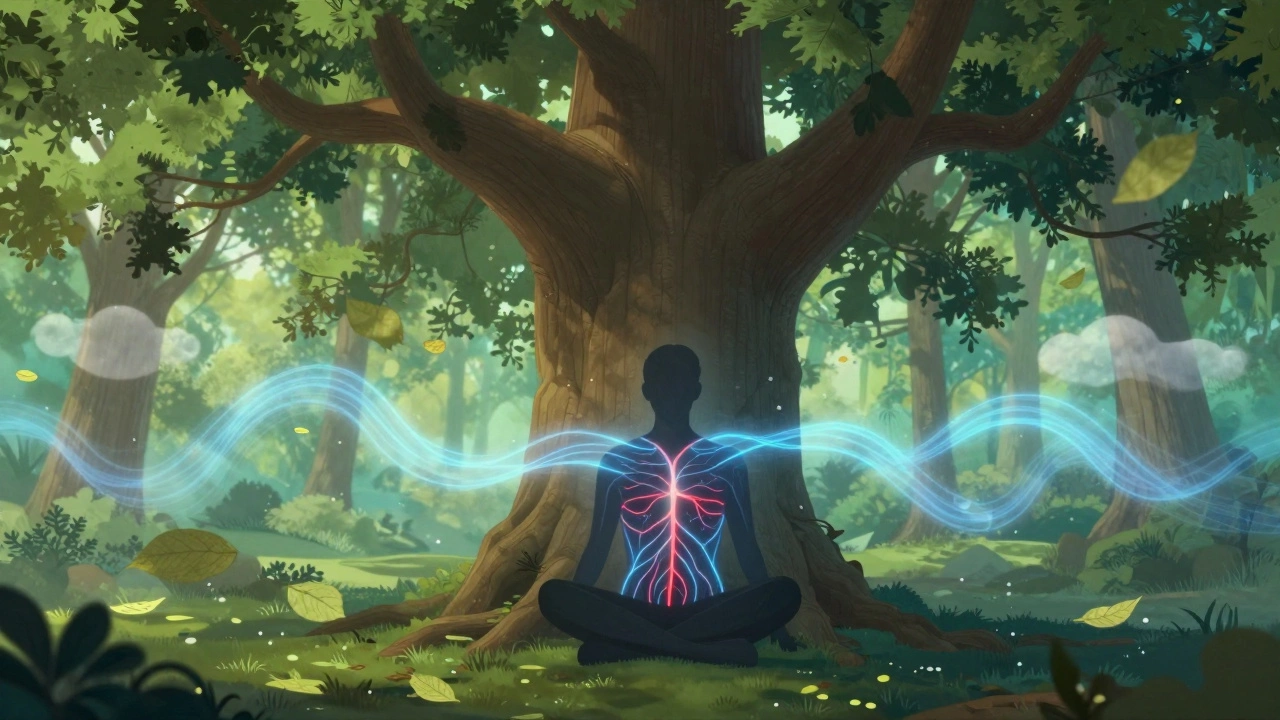
High levels of cortisol over time lead to anxiety, sleep issues, and even heart problems. Being outside helps switch off this alarm. Studies show that spending time in natural environments activates the parasympathetic nervous system-the "rest and digest" mode. This shift lowers your heart rate and blood pressure almost immediately. You don’t need to hike a mountain to get this effect. Even sitting under a tree for ten minutes can reduce cortisol levels significantly.
This isn’t just about relaxation. It’s about physiology. When you are surrounded by greenery, your body perceives safety. Evolutionarily, open spaces with resources (water, food) meant survival. Your ancient brain recognizes this pattern and signals that it is okay to relax. This biological shortcut is one of the most effective tools you have for managing anxiety without medication.
The Attention Restoration Theory
Anxiety often comes from mental fatigue. We spend all day focusing intensely on tasks, data, and conversations. This uses what psychologists call "directed attention." Eventually, this muscle gets tired. When it’s exhausted, you become irritable, distracted, and anxious because your brain can’t filter out distractions anymore.
Nature provides a different kind of focus. Think about watching clouds drift across the sky or listening to leaves rustle in the wind. These stimuli capture your attention effortlessly. Psychologists call this "soft fascination." It allows your directed attention network to rest and recharge while still keeping you engaged. This concept is known as Attention Restoration Theory, a psychological framework suggesting that natural environments restore cognitive function depleted by urban living.
When your brain rests in this way, you return to your daily tasks with more clarity and less emotional reactivity. You handle stress better because your mental battery isn’t running on empty. This is why a quick walk around the block before a big meeting can make such a huge difference in how you perform.
Sunlight and Serotonin: The Mood Connection
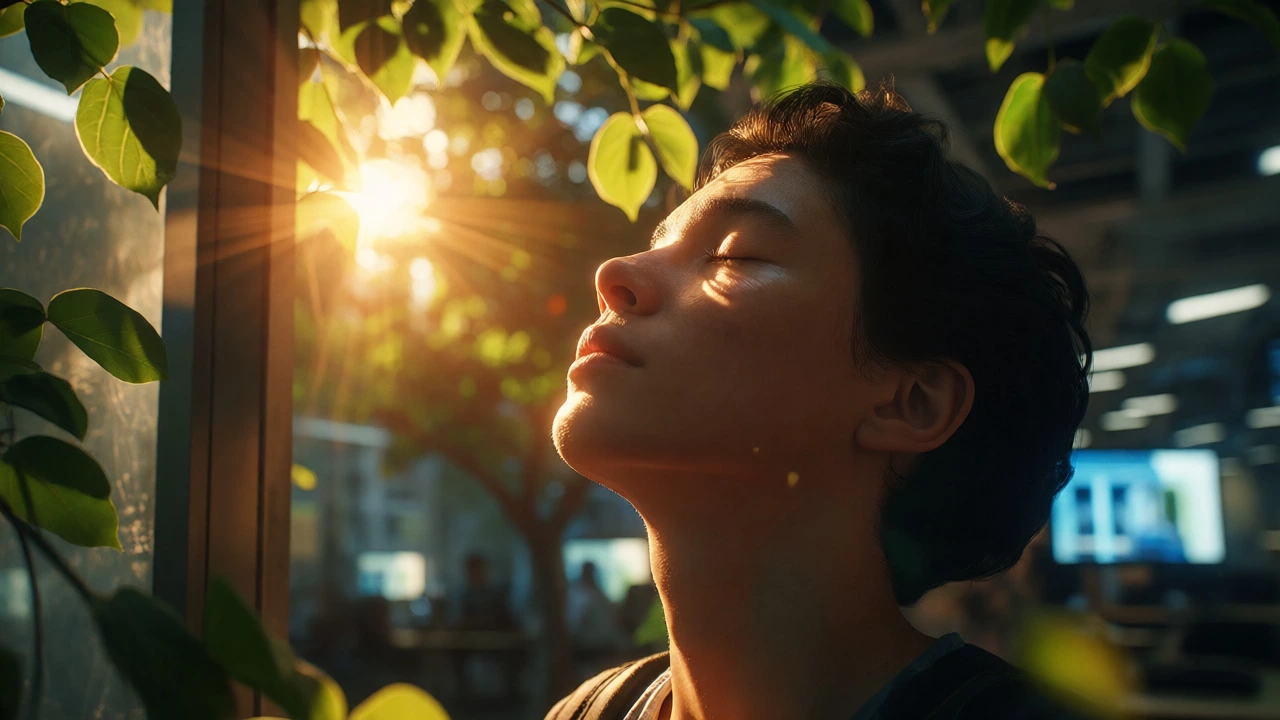
One of the biggest benefits of going outside is exposure to natural light. Indoor lighting, no matter how bright, rarely matches the intensity of sunlight. Sunlight plays a crucial role in regulating your circadian rhythm-the internal clock that controls sleep-wake cycles. When this rhythm is disrupted, anxiety and depression often follow.
More importantly, sunlight boosts serotonin production. Serotonin is a neurotransmitter that regulates mood, appetite, and sleep. Low levels of serotonin are linked to anxiety disorders and seasonal affective disorder (SAD). By getting outside during daylight hours, especially in the morning, you help stabilize your mood naturally. This is particularly relevant if you work from home or spend long hours indoors.
In Sydney, where we enjoy plenty of sunshine year-round, taking advantage of this resource is easy. A twenty-minute walk after breakfast can set your mood for the entire day. Even on cloudy days, natural light is stronger than indoor bulbs, so stepping outside still counts.
Green Exercise vs. Indoor Workouts
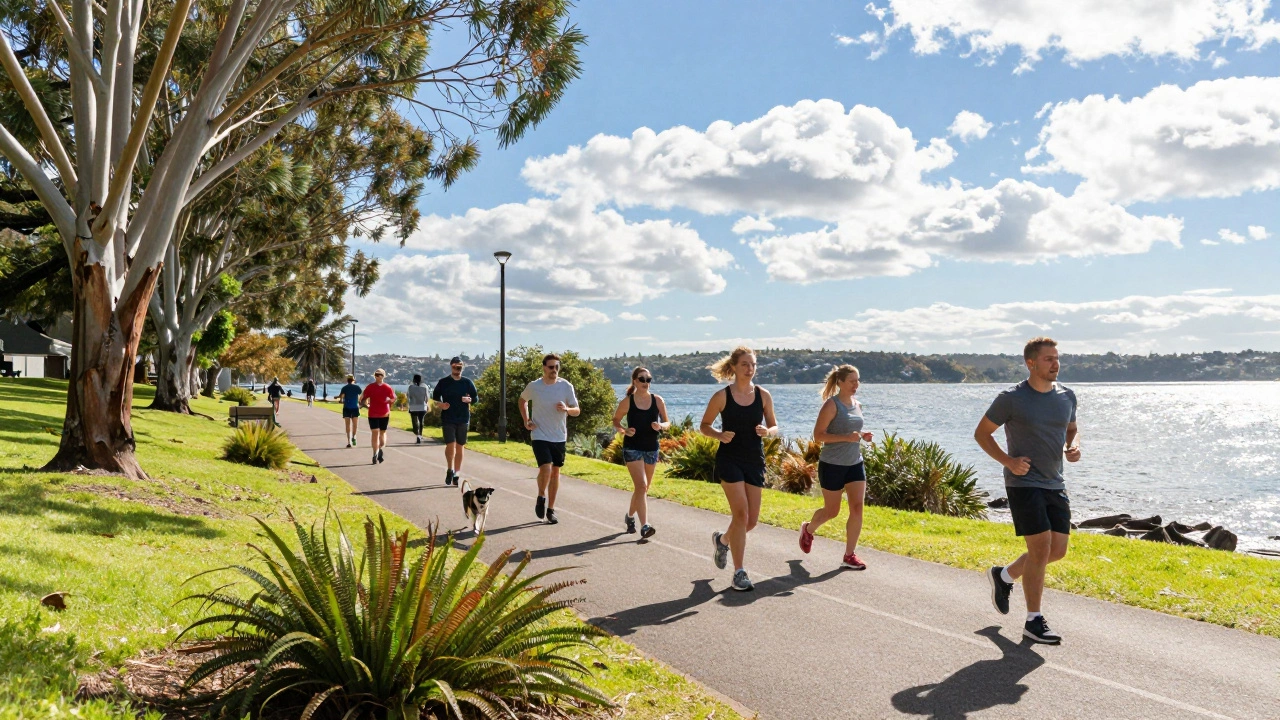
You might already exercise to manage stress. That’s great. But where you exercise changes the outcome. Research comparing indoor gym sessions to outdoor workouts shows that people who exercise in nature report higher levels of revitalization and positive feelings. This phenomenon is often called "green exercise."
| Benefit Category | Indoor Gym Workout | Outdoor Green Exercise |
|---|---|---|
| Mood Improvement | Moderate increase | Significant increase due to sensory engagement |
| Stress Reduction | Lowers cortisol temporarily | Sustained reduction in stress markers |
| Cognitive Clarity | Maintains current state | Restores attention span and creativity |
| Vitamin D Exposure | Minimal unless near windows | High exposure supports immune and mental health |
Why does this happen? Outdoor environments engage multiple senses simultaneously. You see varied landscapes, hear natural sounds, smell fresh air, and feel the breeze. This multi-sensory input distracts the mind from ruminative thoughts-the repetitive worrying that fuels anxiety. In contrast, a treadmill in a windowless room offers limited sensory variation, allowing your mind to wander back to stressful topics.
You don’t need intense activity to benefit. A leisurely stroll through a botanical garden or a bike ride along a waterfront path provides the same mental health boost as a rigorous session. The key is combining movement with nature.
Practical Ways to Incorporate Nature Into Your Day
You don’t need to quit your job and move to a cabin in the woods. Small, consistent changes yield significant results. Here are simple ways to bring nature into your routine:
- Take a lunch break outside: Instead of eating at your desk, find a nearby park or bench. Spend fifteen minutes away from screens.
- Commute differently: If possible, walk or bike part of your journey. Even getting off public transport one stop early adds green time.
- Create a nature corner: Bring plants into your workspace. Studies suggest that viewing houseplants reduces eye strain and mental fatigue.
- Practice mindful walking: Focus on the sensation of your feet hitting the ground, the sound of wind, and the colors around you. This grounds you in the present moment.
- Weekend excursions: Plan regular trips to forests, beaches, or mountains. Anticipation of these outings also reduces weekly stress.
If you live in a dense urban area like Sydney’s CBD, finding nature might seem challenging. Look for pocket parks, rooftop gardens, or tree-lined streets. Even small doses of green space matter. The goal is consistency, not duration. Five minutes outside is better than zero.
The Role of Social Connection in Outdoor Settings
Anxiety thrives in isolation. Being outside often encourages social interaction, which further reduces anxiety. People are generally more friendly and open in relaxed, natural settings. Striking up a conversation with someone at a dog park or joining a community gardening group builds social support networks.
Shared experiences in nature create bonds faster than formal social events. Hiking groups, beach clean-ups, or outdoor yoga classes combine physical activity, nature exposure, and community. This triple threat addresses loneliness, sedentary lifestyle, and environmental disconnection-all contributors to anxiety.
Even solitary outdoor activities can feel socially connected if you view yourself as part of the ecosystem. Observing wildlife or tending to a garden fosters a sense of belonging to something larger than yourself. This perspective shift reduces the ego-centric worry that characterizes much of anxiety.
Overcoming Barriers to Going Outside
Some people hesitate to go outside due to weather concerns, lack of time, or social anxiety. Let’s address these barriers realistically.
Weather: Rain or heat doesn’t negate the benefits. Dress appropriately. An umbrella protects you from rain while still letting you experience the atmosphere. Heat requires hydration and timing your outings for cooler parts of the day.
Time: You don’t need hours. Micro-breaks count. Step outside during phone calls. Take stairs instead of elevators and notice the view. Integrate nature into existing routines rather than adding new ones.
Social Anxiety: Nature is non-judgmental. Trees don’t care if you trip. Birds don’t critique your appearance. For those with severe social anxiety, starting alone in low-traffic areas like early morning trails or remote beaches can build confidence gradually.
Conclusion: Making Nature a Habit
Being outside reduces anxiety through biological, psychological, and social pathways. It lowers cortisol, restores attention, boosts serotonin, and connects us to others. The evidence is clear: nature is medicine. You don’t need expensive treatments or complex strategies. Just step outside.
Start small. Commit to five minutes today. Notice how your breathing changes. Feel the tension leave your shoulders. Over time, this habit becomes a reliable anchor in your mental health toolkit. Your body remembers safety. Help it remember by returning to nature regularly.
How much time do I need to spend outside to reduce anxiety?
Research suggests that just 20 to 30 minutes per day in nature can significantly lower cortisol levels and improve mood. However, even shorter bursts of 5 to 10 minutes provide measurable benefits. Consistency matters more than duration. Daily micro-exposures are more effective than occasional long hikes.
Does being outside help with panic attacks?
Yes, being outside can help manage panic attacks. Natural environments stimulate the parasympathetic nervous system, which counteracts the fight-or-flight response. Grounding techniques combined with fresh air and natural sights can interrupt the cycle of panic. Many therapists recommend outdoor walks as part of panic management strategies.
Is forest bathing real or just a trend?
Forest bathing, or Shinrin-yoku, originated in Japan in the 1980s and is backed by scientific research. Studies show that spending time in forests increases natural killer cell activity (boosting immunity) and reduces stress hormones. It involves slow, mindful immersion in forest environments, not hiking for fitness. The practice is recognized globally for its therapeutic benefits.
Can indoor plants replace the benefits of going outside?
Indoor plants offer some benefits, such as improved air quality and visual comfort, but they cannot fully replicate the effects of being outside. Outdoor environments provide full-spectrum sunlight, varied sensory inputs, and spatial scale that indoor settings lack. Use plants as a supplement, not a replacement, for outdoor time.
What if I live in a city with no parks?
Even urban environments contain green spaces. Look for street trees, community gardens, balconies with plants, or nearby cemeteries (which are often well-maintained green zones). If access is truly limited, consider visiting botanical gardens or coastal areas on weekends. Virtual nature experiences via videos or VR also show modest stress-reduction effects, though they are less potent than real nature.