What Happens When You Go Wine Tasting: A Step-by-Step Guide
Interactive Wine Tasting Simulator
See
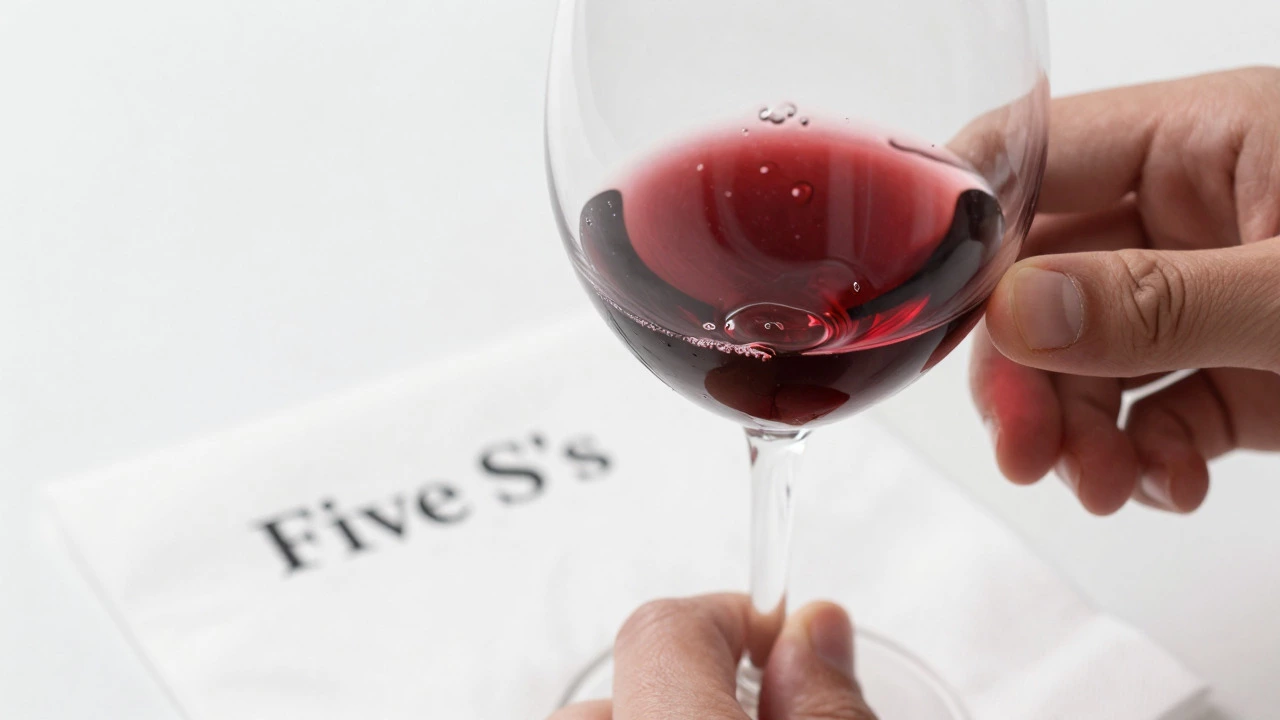
Hold the glass by the stem against a white background. Look for clarity and color. Is it pale yellow or deep ruby? Color indicates age and variety.
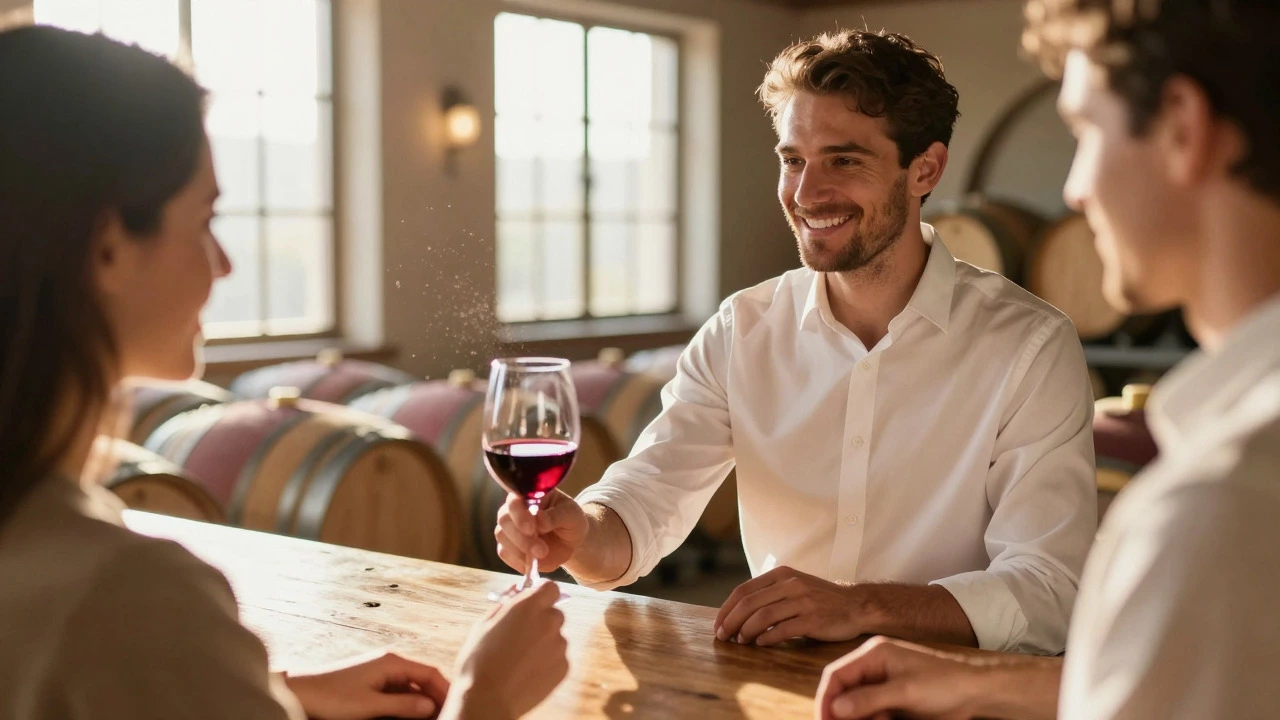
Picture this: you walk into a sun-drenched cellar, the air smells of oak and earth, and a sommelier hands you a small glass of deep red liquid. You swirl it, sniff it, take a sip... and then what? Do you spit? Do you nod solemnly? What exactly are you supposed to be looking for?
If the idea of wine tasting makes you feel like an imposter waiting to be exposed, you are not alone. Many people think wine tasting is an exclusive club for snobs with fancy vocabulary. In reality, it is just a structured way to learn about flavor, aroma, and quality. Whether you are visiting a boutique vineyard in Napa Valley or a local cellar door in Margaret River, the process remains largely the same.
Understanding what happens during a wine tasting removes the anxiety and helps you actually enjoy the experience. Here is exactly what to expect, from the moment you arrive until you leave with your notes (and maybe a bottle).
The Arrival and Setup
When you arrive at a winery for a scheduled tasting, the first thing that happens is usually a brief introduction. The host, often a winemaker or a trained educator, will welcome you and explain the flow of the session. They might ask if you have any allergies or dietary restrictions, though this is less common for wine than for food pairings.
You will be seated at a table or standing at a bar. Each guest receives a wine flight, which consists of several small glasses, typically containing 1 to 2 ounces (30-60ml) per pour. This small size is intentional. It allows you to sample multiple wines without getting intoxicated too quickly, keeping your palate fresh for each new varietal.
The host will provide water, sometimes crackers or plain bread, and a spittoon (or "spit bucket"). Don’t worry about using the spittoon; we will cover why spitting is standard practice later. For now, just get comfortable and listen to the overview.
The Five S’s of Wine Tasting
Most professional tastings follow a specific method known as the "Five S’s": See, Swirl, Sniff, Sip, and Savor (or Spit). This structure ensures you evaluate every aspect of the wine systematically.
See: First, look at the wine against a white background, like a piece of paper or a napkin. Hold the glass by the stem to avoid warming the wine with your hand. Look for clarity and color. Is the white wine pale yellow or golden? Is the red ruby, garnet, or brick-colored? Color can tell you about the age of the wine and the grape variety. Young reds are usually purple-hued, while older reds fade toward orange or brown edges.
Swirl: Next, gently swirl the wine in the glass. This isn’t just for show; it releases volatile aromatic compounds trapped in the liquid. Watch the "legs" or "tears" that form on the side of the glass as the wine coats it. Thick, slow-moving legs often indicate higher alcohol content or sugar levels, though this is not a perfect measure of quality.
Sniff: Bring the glass to your nose and take a short, sharp inhale. Then, take a deeper breath. What do you smell? Are there fruit notes like cherry, citrus, or apple? Do you detect non-fruit aromas like vanilla, oak, tobacco, or earth? Your sense of smell is responsible for up to 80% of what you perceive as "taste." If you have a cold, wine tasting is nearly impossible because you cannot smell the nuances.
Sip: Take a small sip. Let the wine coat your entire mouth. Notice the texture. Is it dry and tannic, or smooth and creamy? Pay attention to the acidity-does it make your mouth water? Sweetness should be detected at the tip of the tongue, while bitterness and tannins are felt more towards the back and sides.
Savor (or Spit): After swallowing or spitting, consider the finish. How long does the flavor linger? A high-quality wine often has a long, pleasant finish where flavors evolve even after the wine is gone. If you are driving or plan to taste many wines, spitting is the professional choice. It allows you to stay sober and keep your palate sensitive.
What to Wear and Bring
One of the biggest mistakes beginners make is wearing strong perfume or cologne. Fragrances compete with the subtle aromas of the wine, ruining the experience for everyone at the table. Stick to unscented products or skip them entirely on tasting day.
Comfortable clothing is key. Vineyards are often outdoors, with gravel paths and uneven terrain. High heels can sink into soft soil, and tight jeans might restrict movement if you are walking through rows of vines. Breathable fabrics are best, especially in warmer climates like California’s Central Coast or Australia’s Barossa Valley.
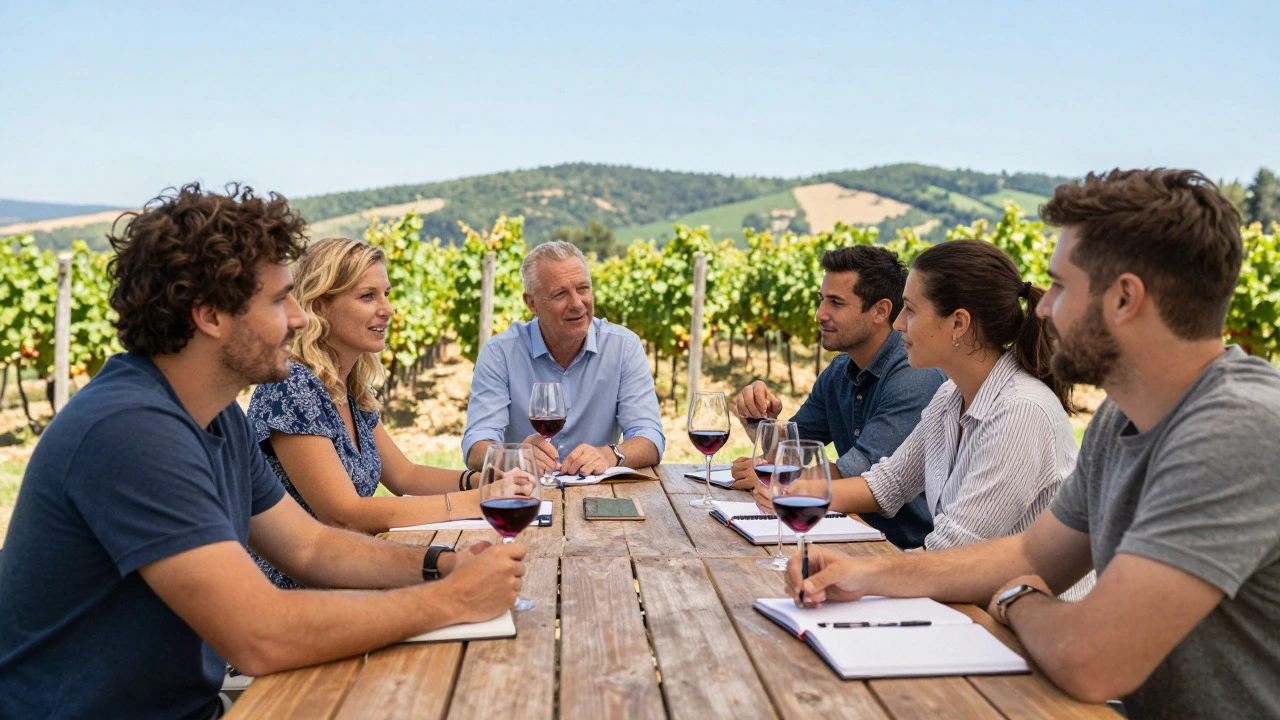
Bring sunscreen and a hat. Sun exposure is real, even on cloudy days. Also, carry a notebook or use a note-taking app on your phone. Writing down your impressions helps you remember which wines you liked and why. Note the grape variety, vintage year, and price point so you can recreate the purchase later.
Etiquette and Social Norms
Wine tasting rooms are social spaces, but they also require a certain level of respect for the staff and other guests. Speak quietly enough so others can hear the sommelier’s explanations. Avoid slamming glasses or making loud noises.
It is perfectly acceptable to ask questions. Winemakers love talking about their craft. Ask about the harvest conditions, the fermentation process, or why they chose a specific oak barrel. However, avoid asking overly technical questions if the setting is casual; read the room.
Spitting is not rude. In fact, it is expected among serious tasters. If you are unsure, watch what others do. Most tasting rooms provide individual spittoons under the counter or a communal bucket nearby. Using a napkin to wipe your mouth before spitting is a nice touch.
Don’t feel pressured to buy wine. While wineries hope you will purchase bottles, no one will force you. Enjoy the tasting as an educational experience. If you find a wine you love, great! If not, you still learned something valuable.
Common Mistakes to Avoid
- Talking with your mouth full: Keep conversations paused while you are actively evaluating the wine.
- Ignoring the water: Sip water between wines to cleanse your palate. This prevents fatigue and keeps your taste buds responsive.
- Rushing through the flight: Take your time. Rushing leads to missed nuances and faster intoxication.
- Judging by appearance alone: Cloudy wine isn’t always bad (some natural wines are unfiltered), and bright colors don’t guarantee quality.
- Comparing yourself to others: Taste is subjective. If someone says a wine tastes like "wet dog" and you taste "strawberry," both can be correct. Trust your own senses.
After the Tasting
Once the flight is complete, the host may offer additional samples, such as reserve wines or limited editions. These often cost extra but provide insight into the winery’s top-tier offerings. Decide if you want to upgrade based on your interest and budget.
Many wineries have shops attached to the tasting room. This is where you can purchase bottles of the wines you enjoyed. Staff can help you select quantities and discuss shipping options if you live far away. Some regions, like Oregon’s Willamette Valley, allow direct-to-consumer shipping, while others require pickup at designated locations.
Finally, review your notes. Which wines stood out? Was it the bold Cabernet Sauvignon or the crisp Pinot Grigio? Sharing your findings with friends or online communities can deepen your appreciation and connect you with fellow enthusiasts.
| Aspect | Recommendation |
|---|---|
| Clothing | Comfortable, breathable, no strong perfumes |
| Footwear | Flat shoes suitable for gravel/dirt paths |
| Note-taking | Paper notebook or smartphone app |
| Palate Cleanser | Water and plain crackers/bread |
| Spitting | Use provided spittoon; normal and expected |
Frequently Asked Questions
Do I need to know anything about wine before going tasting?
No prior knowledge is required. Wineries cater to all levels of expertise. Beginners are welcomed, and staff will guide you through the basics. Just bring curiosity and an open mind.
Is it rude to spit out the wine?
Not at all. Spitting is standard practice among professionals and serious enthusiasts. It allows you to taste many wines without becoming intoxicated. Use the spittoon provided discreetly.
How much does a wine tasting usually cost?
Prices vary widely by region and winery prestige. Basic tastings range from $10 to $25 per person. Premium or reserve tastings can cost $50 or more. Some wineries waive the fee if you purchase a bottle of wine.
Can I drive myself to a wine tasting?
Yes, if you spit the wine or limit consumption. However, most visitors choose to hire a driver, use a ride-share service, or join a guided tour bus to safely enjoy multiple stops without worrying about blood alcohol content.
What should I do if I don’t like any of the wines?
That’s okay! Taste is subjective. Politely thank the staff and mention what flavors you generally prefer (e.g., sweet vs. dry, light vs. heavy). They may suggest alternative styles better suited to your palate.