What Do You Actually Do in an Escape Room? A Step-by-Step Guide
Escape Room Strategy Simulator
Choose your mission briefing:
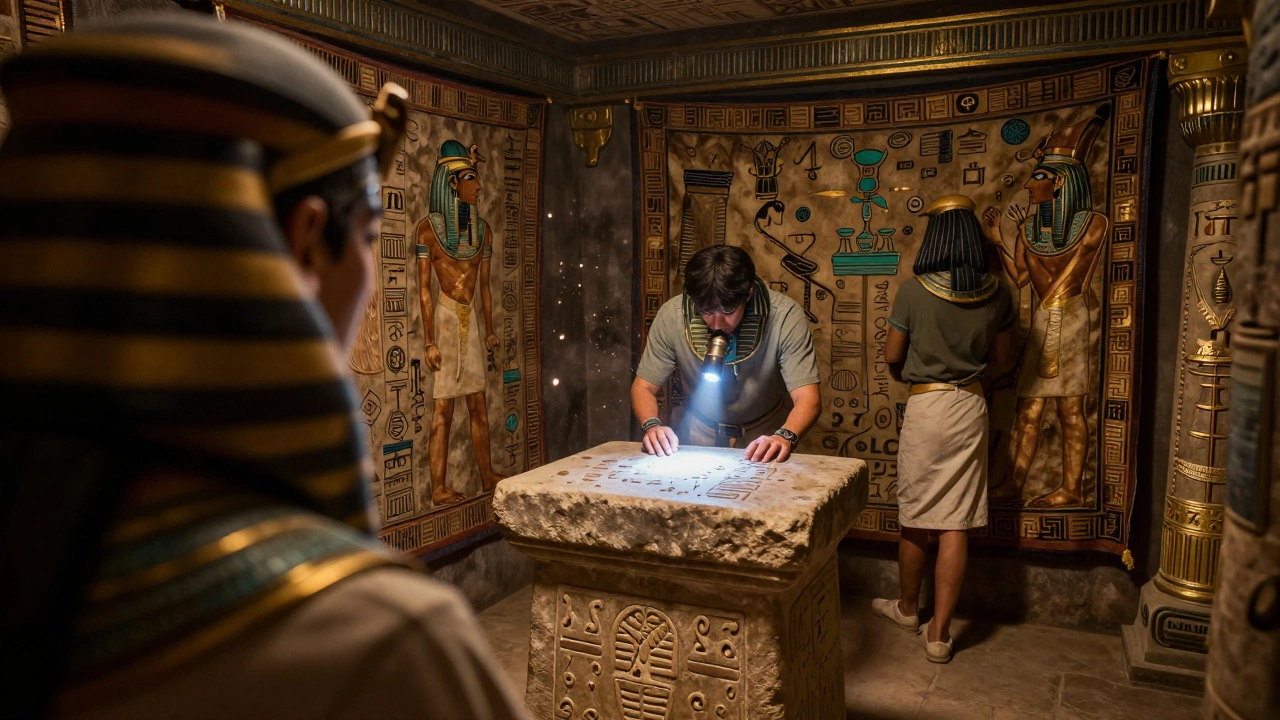
★ Pharaoh's Tomb
Archaeologists trapped in an ancient tomb. Find the sarcophagus key before oxygen runs out.
● Spy Heist
Steal blueprints from a villain's lair. The alarm triggers in 60 minutes.
⚖ Hospital Emergency
Locate the antidote for a poisoned patient. Every second counts.
Picture this: the door clicks shut behind you. The lights dim. A voice on a speaker tells you that you have sixty minutes to stop a bomb from detonating. Your heart starts racing. What do you actually do now?
If you’ve never been inside an escape room, it’s easy to imagine it as just wandering around looking for keys. It’s not. It is a high-pressure, collaborative puzzle hunt where every second counts and every object matters. You are not just solving riddles; you are acting out a role in a live-action adventure game.
Here is exactly what happens from the moment you walk in until the timer hits zero.
The Briefing: Setting the Stage
Before you ever touch a lock or open a box, you sit down with the game master. This person is your guide and safety officer. They explain the story-maybe you’re archaeologists trapped in a tomb, spies stealing blueprints, or doctors trying to save a patient. This isn’t just flavor text; the story often contains clues. If the brief mentions that the villain loves the number seven, write that down. It might be the combination to a safe later on.
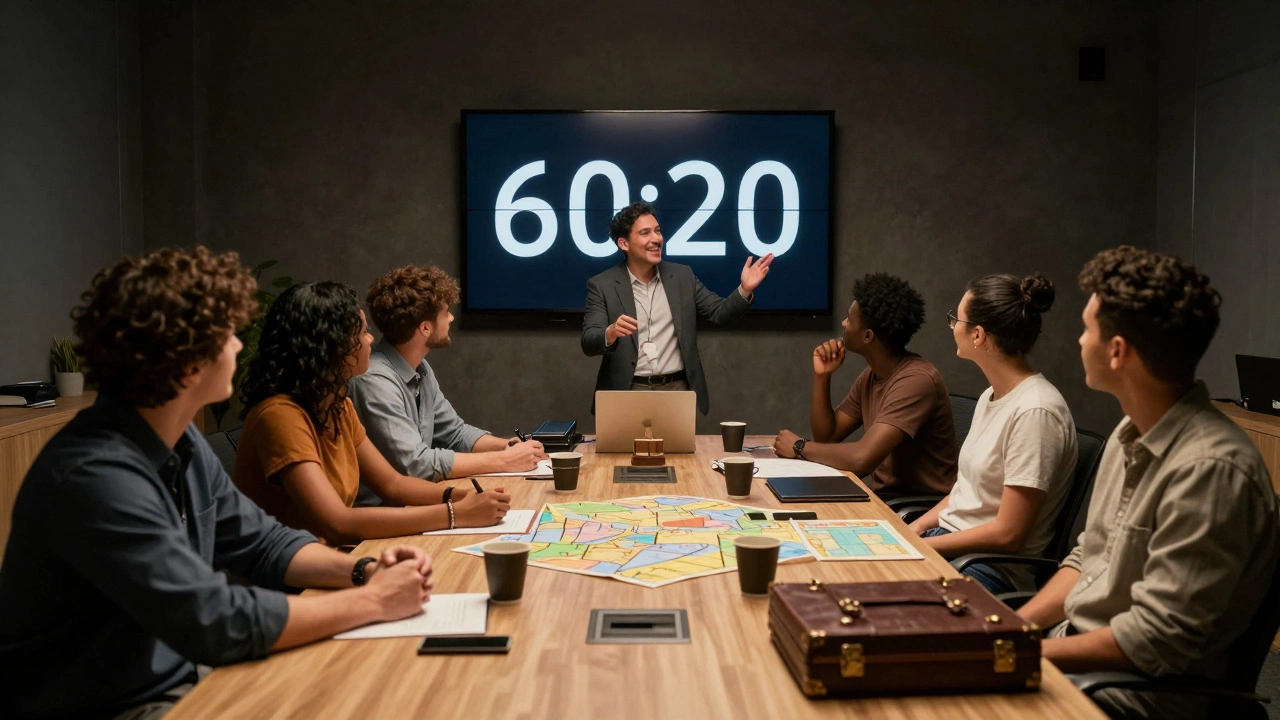
The game master also sets the rules. Most importantly, they tell you what you can and cannot do. Can you break props? Usually no. Can you shout for help if you get stuck? Yes, but only when necessary. They hand you the clock-often a large digital timer visible on the wall-and count down from ten. Then, the door locks. The game begins.
Phase One: The Initial Sweep
Your first instinct should be to split up, but not completely. Divide your group into pairs. One pair checks the left side of the room, the other checks the right. You are looking for anything that looks out of place. Is there a book sticking out on a shelf? A loose floorboard? A drawer that doesn’t close all the way?
In these early minutes, communication is key. Don’t hoard information. If you find a red key, announce it immediately. "I found a red key!" helps everyone else look for red locks. If you keep it to yourself, someone else might spend twenty minutes searching for a blue key that doesn’t exist.
Look at everything. Touch everything (gently). Turn books over. Check under rugs. Look at the ceiling. Many beginners miss clues because they only look at eye level. In an escape room, the environment is your puzzle board.
Phase Two: Decoding the Puzzles
Once you’ve swept the room, you’ll likely hit your first major hurdle. This is usually a multi-step puzzle. Maybe you need to arrange four cards in a specific order to reveal a code. Or perhaps you need to use a UV light to see hidden ink on a poster.
These puzzles fall into a few common categories:
- Logic Puzzles: These require deduction. For example, if clue A says "The answer is between 10 and 20" and clue B says "It is an even number," you narrow down the possibilities. Write these constraints down on a whiteboard if one is provided.
- Physical Manipulation: Sometimes the solution is tactile. You might need to rotate dials, align gears, or stack objects in a certain height order. If something feels "clicky" or has moving parts, play with it carefully.
- Riddles and Wordplay: Text-based clues are common. Read them aloud. Sometimes saying the words out loud reveals a homophone or a pun that your brain missed while reading silently.
If you get stuck on a puzzle for more than three minutes, move on. Staring at a dead end wastes time. Let another team member take a fresh look, or come back to it after solving a different part of the room. Often, solving Puzzle B gives you the key to unlock Puzzle A.
Phase Three: Collaboration and Chaos
About halfway through the hour, the pressure mounts. The timer is ticking down. This is where teams either succeed or fail based on their dynamics. Panic sets in if people start shouting over each other or ignoring instructions.
Effective teams assign roles naturally. There’s usually a "searcher" who keeps finding new items, a "solver" who focuses on the logic, and a "manager" who keeps track of time and ensures everyone is talking. If you don’t have a manager, pick one. Someone needs to say, "We have fifteen minutes left, let’s focus on the main vault."
You will also encounter "red herrings." These are fake clues designed to distract you. Maybe there’s a complex cipher wheel that seems important, but it leads nowhere. Trust your gut. If a puzzle feels overly complicated and yields no results, it might be a trap. Focus on the mechanisms that interact with the room’s main objective.
The Final Stretch: Putting It All Together
In the last five minutes, the room usually demands a final, grand action. This could be entering a long code into a keypad, placing several artifacts into a display case simultaneously, or pulling two levers at once. This requires perfect coordination.
Don’t rush the final step. Misentering a code can trigger a penalty, like losing thirty seconds or resetting a mechanism. Double-check your work. Count the digits. Verify the sequence. When you think you’re ready, execute the action together. Hold your breath. Listen for the click.
If the door opens, you win. If the timer hits zero, the game ends. But even if you lose, the debriefing is valuable. The game master will walk you through the puzzles you missed and explain the logic. This turns a failure into a learning experience, making you better for next time.
| Element | Function | Pro Tip |
|---|---|---|
| UV Light | Reveals hidden ink messages | Scan walls, papers, and even your own hands. |
| Magnetic Locks | Secures drawers and doors | If a drawer won't budge, it's locked. Don't force it. |
| Keypads | Accepts numeric codes | Write down all numbers you see in the room. |
| Whiteboard | Tracks progress and notes | Use it to map out connections between clues. |

Why People Love Escape Rooms
Escape rooms tap into our natural desire for problem-solving and social connection. Unlike video games, there are no buttons to press. You must physically engage with the world. This creates a sense of presence and immersion that is hard to replicate elsewhere.
For corporate teams, escape rooms are popular because they reveal leadership styles under pressure. Who takes charge? Who listens? Who panics? For friends and families, it’s a shared memory. Whether you win or lose, the adrenaline rush and the post-game discussion create a bond. It’s a date night activity that forces conversation and cooperation, rather than passive watching.
Choosing the Right Room
Not all escape rooms are created equal. Some are horror-themed with actors chasing you. Others are purely logical with no scares. Before booking, check the difficulty rating and theme. If you hate spiders, avoid the "Haunted Manor" room. If you love history, choose the "Ancient Egypt" scenario.
Most rooms accommodate groups of 2 to 8 people. Solo players can usually join a mixed group, which is a great way to meet new people. Book in advance, especially on weekends. Walk-ins are rare and risky.
How long does an average escape room last?
Most standard escape rooms give you exactly 60 minutes. However, the total experience, including the briefing and debriefing, usually takes about 90 minutes. Some premium or larger rooms may offer 75 or 90 minutes of gameplay.
Can I go to an escape room alone?
Yes, many venues allow solo players. You will typically be paired with other strangers to form a group. This can be a fun social experience, though it may be challenging if you prefer working with people you know well.
Are escape rooms scary?
It depends on the theme. Some rooms are purely logical and family-friendly. Others are horror-themed and may include jump scares, dark environments, or actors. Always check the venue's description for "scare levels" before booking.
What should I wear to an escape room?
Wear comfortable clothes and closed-toe shoes. You might need to crawl, climb, or stand for an hour. Avoid loose jewelry that could get caught on props, and leave large bags in the locker provided by the venue.
What happens if we finish early?
If you solve the final puzzle before time runs out, the game ends immediately. You will receive a congratulatory message from the game master. Finishing with more time remaining often earns you a higher score or a small prize, depending on the venue.